
As autonomous mobile robots, automated guided vehicles and industrial robots become more widely used, reliable 3D perception has become one of the most important parts of a robotic system.
A robot needs to understand its surroundings before it can navigate safely.
It needs to detect:
- people
- pallets
- shelves
- walls
- forklifts
- boxes
- obstacles
- other robots
- changes in the environment
This is where 3D LiDAR becomes particularly valuable.
Unlike a conventional 2D scanner that observes a relatively narrow horizontal plane, a 3D LiDAR sensor can generate a three-dimensional point cloud of the surrounding environment.
For robotics manufacturers, however, choosing the right LiDAR is not simply about finding the sensor with the highest number of laser channels.
A small indoor service robot may not need a 120 m or 300 m detection range.
A warehouse AGV may require longer-range perception.
An outdoor autonomous vehicle may need substantially higher performance.
And for high-volume robot manufacturing, LiDAR price can directly affect the final BOM cost of every robot.
This makes the question more complicated:
Which Hesai LiDAR provides the best balance between performance and price for my robot?
This guide compares the major Hesai robotics-oriented LiDAR models available through LidarSeek, including JT16, JT32, JT64P, JT128, XT16, XT32 and XT32M, with a focus on specifications, applications and price-performance value.
Why LiDAR Is Important for Modern Robotics
Autonomous robots rely on perception sensors to understand their environment.
Depending on the application, a robotic platform may use:
- LiDAR
- cameras
- ultrasonic sensors
- radar
- IMU
- GNSS
LiDAR is particularly useful because it directly provides three-dimensional distance information.
A LiDAR sensor can help a robot determine:
Where an object is
How far away it is
How large the obstacle is
Where the obstacle is located in 3D space
This information can be used for:
- SLAM
- localization
- navigation
- obstacle avoidance
- mapping
- object detection
- collision prevention
- path planning
For warehouse robots and AMRs, these capabilities can be especially important.
Hesai LiDAR for Robotics: JT Series vs XT Series
Hesai’s robotics portfolio can broadly be divided into two groups.
JT Series — Robot Navigation
The JT family includes:
- JT16
- JT32
- JT64P
- JT128
These products are suitable for applications where compact design, 3D perception and cost efficiency are important.
XT Series — High-Precision Industrial Robotics
The XT family includes:
- XT16
- XT32
- XT32M
These sensors are designed for applications that require greater range, higher point rates and more demanding industrial perception.
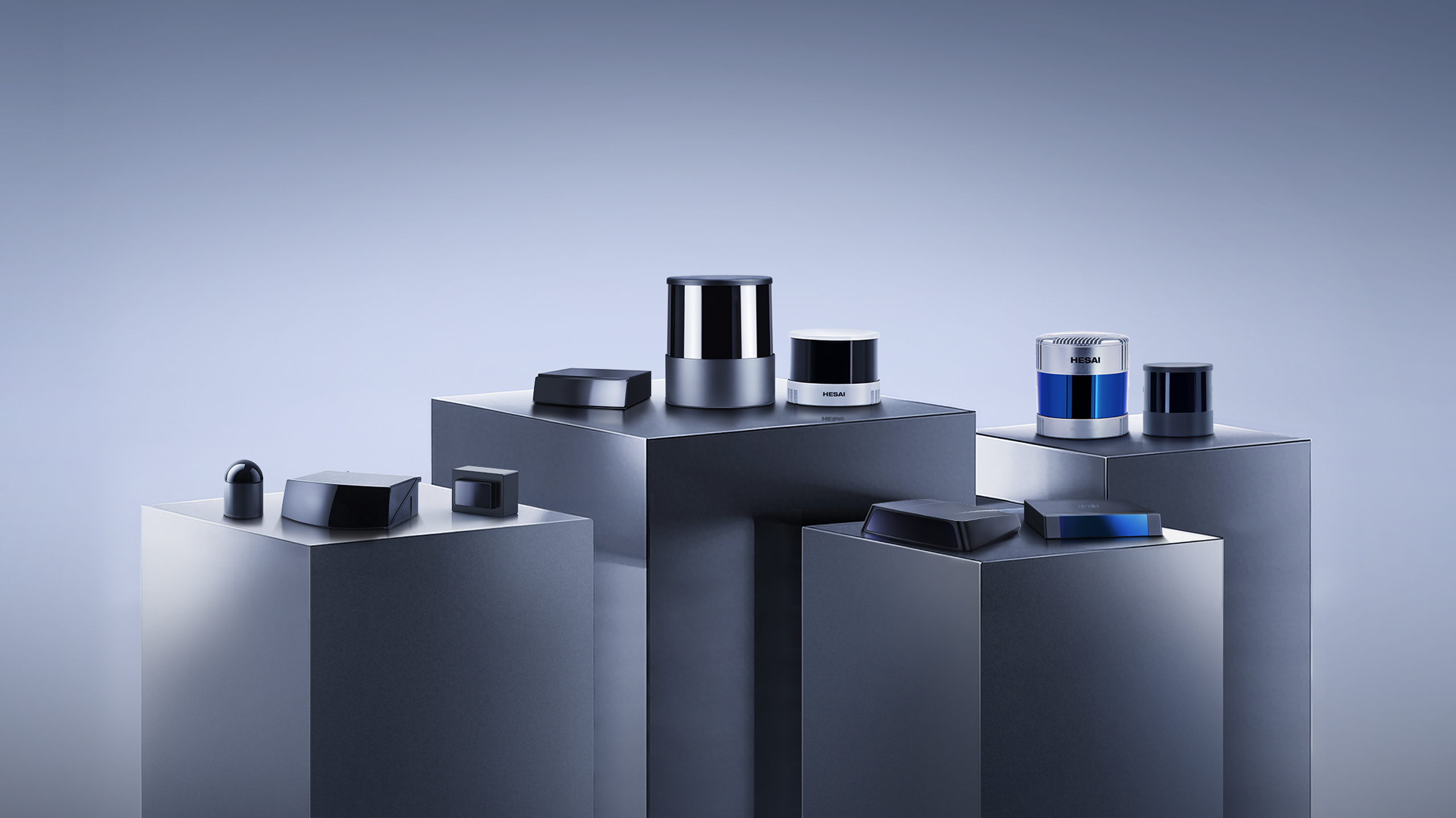
LidarSeek’s current Hesai product portfolio organizes these models around applications including robot navigation, warehouse AGVs, unmanned forklifts and industrial robotics. Hesai LiDAR Robotics Product Range
Hesai LiDAR Price Comparison for Robotics
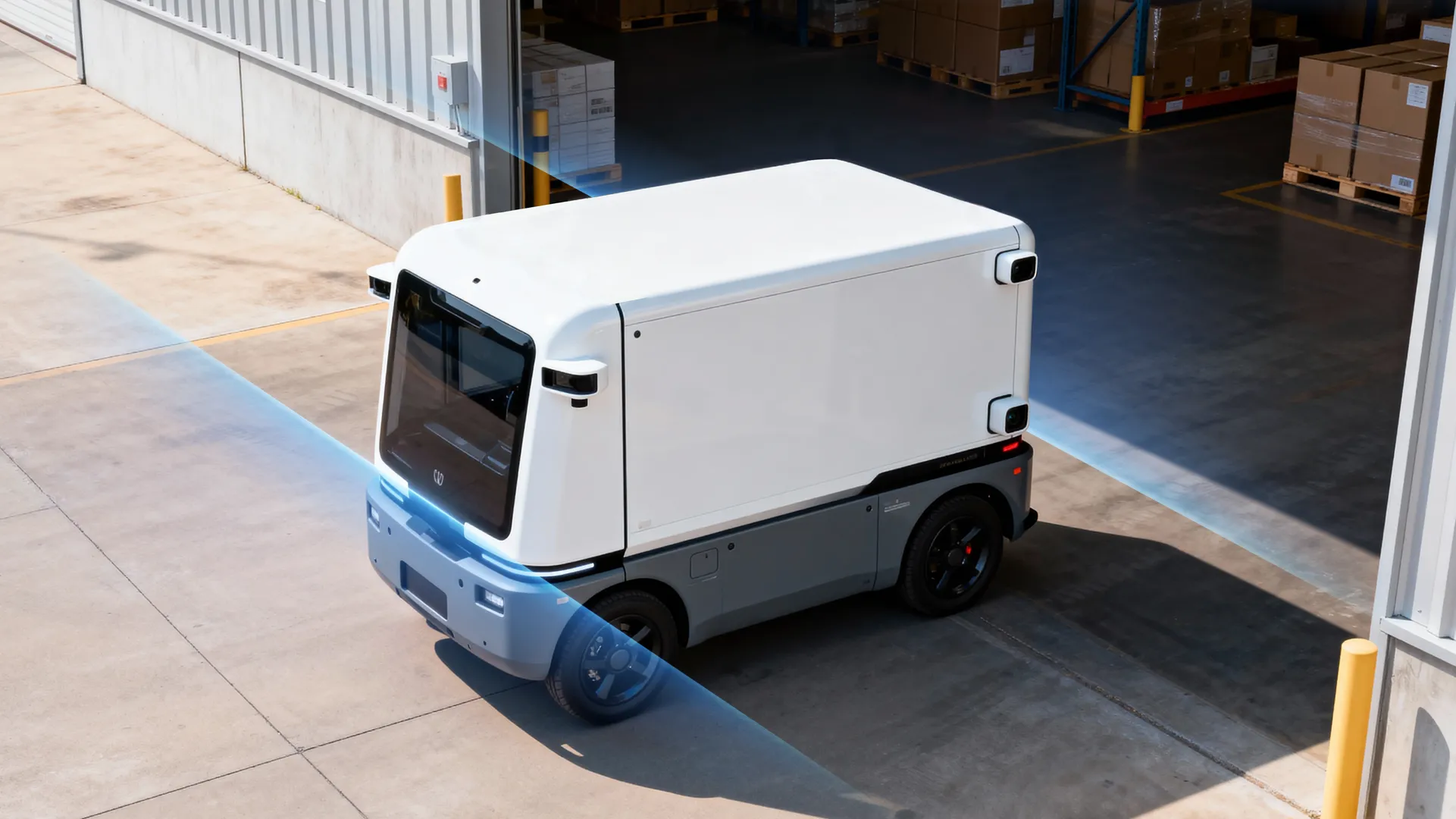
Before choosing a sensor, it is useful to compare the major specifications and current displayed prices.
| Model | Main Application | Channels | Range | Horizontal FOV | Vertical FOV | Point Rate | Listed Price |
|---|---|---|---|---|---|---|---|
| JT16 | Small AGV / Service Robot | 16 | 30 m | 360° | 40° | 96,000 pts/s | $450 |
| JT32 | AGV / Service Robot | 32 | 65 m | 360° | 42.6° | 192,000 pts/s | $620 |
| JT64P | AMR / Robot Navigation | 64 | 60 m | 360° | 189° | 576,000 pts/s | $900 |
| JT128 | AMR / Low-Obstacle Detection | 128 | 60 m | 360° | 189° | 1.152 M pts/s | $900 |
| XT16 | Warehouse AGV / Industrial Robot | 16 | 120 m | 360° | 30° | 320,000 pts/s | $1,769 |
| XT32 | Warehouse AGV / Mapping | 32 | 120 m | 360° | 31° | 640,000 pts/s | $3,448 |
| XT32M | Industrial Robot / Long Range | 32 | Up to 300 m | 360° | 40.3° | 640,000 pts/s | $6,200 |
The prices above are the current indicative prices displayed on LidarSeek’s Hesai product page. Actual commercial pricing can vary depending on quantity, availability, destination and project requirements. LidarSeek also provides bulk project and volume pricing options. View Current Hesai Models and Prices
Hesai JT16: An Affordable LiDAR for Small Robots
The Hesai JT16 is one of the most cost-effective options in the current robotics portfolio.
The current listed price is $450.
It provides:
- 16 laser lines
- 30 m maximum detection
- 360° horizontal FOV
- 40° vertical FOV
- 96,000 points/s
Its relatively low price makes it particularly interesting for companies developing cost-sensitive robotic platforms.
Potential Applications
JT16 can be considered for:
- small AMRs
- indoor AGVs
- service robots
- research robots
- mobile platforms
- robotics prototypes
- educational robots
For a robot operating inside a relatively controlled environment, there may be little reason to pay for a much longer-range industrial LiDAR.
This is where affordable LiDAR can have a significant advantage.
Hesai JT32: A Strong Price-Performance Option
The JT32 increases the laser channel count from 16 to 32.
The current listed price is $620.
It provides:
- 32 laser lines
- 65 m maximum detection
- 360° horizontal FOV
- 42.6° vertical FOV
- 192,000 points/s
Compared with JT16, the JT32 provides substantially more point information and a longer detection range.
This makes it attractive for customers who need better perception without moving to a much more expensive industrial LiDAR.
JT16 vs JT32
| Specification | JT16 | JT32 |
|---|---|---|
| Laser Lines | 16 | 32 |
| Maximum Detection | 30 m | 65 m |
| Horizontal FOV | 360° | 360° |
| Vertical FOV | 40° | 42.6° |
| Point Rate | 96,000 pts/s | 192,000 pts/s |
| Listed Price | $450 | $620 |
The price difference is approximately $170 based on the currently displayed prices.
For a robotics company purchasing hundreds of sensors, this difference should be evaluated against the additional performance required by the robot.
For some applications, JT32 may provide a very attractive balance between price, range and point density.
Hesai JT64P: Higher-Density 3D Perception
The JT64P moves to 64 channels.
The current specifications shown on LidarSeek include:
- 64 channels
- 60 m maximum detection
- 360° × 189° FOV
- 576,000 points/s
The listed price is $900.
Compared with JT16 and JT32, JT64P provides a much higher point rate.
This can be useful when a robot needs more detailed 3D environmental information.
Potential applications include:
- AMRs
- warehouse robots
- autonomous navigation
- complex indoor environments
- industrial mobile robots
Hesai JT128: High Channel Count for AMR Applications
JT128 takes the channel count to 128.
Its current specifications include:
- 128 vertical channels
- 40 m detection at 10% reflectivity
- up to 60 m maximum detection
- 360° × 189° FOV
- 1.152 million points/s
The current listed price is $900.
One of the most interesting characteristics is the combination of 128 channels and very wide vertical coverage.
For AMR applications, this can be valuable when the robot needs to perceive obstacles across a wide vertical range.
Why Vertical FOV Matters for AMRs
A warehouse environment is not simply a flat horizontal plane.
An AMR may encounter:
- pallets
- boxes
- people
- shelving
- forklift components
- low obstacles
- elevated structures
A LiDAR with a wider vertical field of view can provide more information about objects at different heights.
This is one reason why simply comparing the number of channels is not enough.
You should evaluate:
Channels + Vertical FOV + Point Rate + Range
together.
Hesai XT16: Long-Range Industrial LiDAR
The XT16 belongs to a different performance category.
The current LidarSeek page lists:
- 16 laser lines
- 120 m range
- 360° × 30° FOV
- 320,000 points/s
- zero-blind-zone positioning
The current listed price is $1,769.
It is positioned for applications including:
- warehouse AGVs
- unmanned forklifts
- industrial robotics
The most interesting point is that XT16 also uses 16 laser lines.
So why is it significantly more expensive than JT16?
Because laser-line count alone does not determine LiDAR value.
XT16 provides a much longer detection range and higher point rate and is targeted at a more demanding industrial environment.
JT16 vs XT16: Why Price Is Different
| Specification | JT16 | XT16 |
|---|---|---|
| Laser Lines | 16 | 16 |
| Range | 30 m | 120 m |
| Horizontal FOV | 360° | 360° |
| Vertical FOV | 40° | 30° |
| Point Rate | 96K pts/s | 320K pts/s |
| Listed Price | $450 | $1,769 |
This is a useful example for LiDAR buyers.
If your robot only needs 30 m perception, XT16 may be unnecessary.
If your industrial AGV needs 120 m detection, JT16 may not be sufficient.
Therefore, the correct sensor depends on the actual application.
Hesai XT32: Higher Performance for Industrial Robotics
XT32 provides:
- 32 laser lines
- 120 m range
- 360° × 31° FOV
- 640,000 points/s
The current listed price is $3,448.
Compared with XT16, XT32 doubles the laser channel count and point rate while maintaining a 120 m detection range.
This makes it suitable for applications that require higher-density 3D perception.
Potential applications include:
- warehouse AGVs
- autonomous forklifts
- industrial robots
- mobile mapping
- large indoor environments
Hesai XT32M: Long-Range Industrial Perception
XT32M is the long-range option in this comparison.
It provides:
- 32 laser lines
- up to 300 m detection
- 360° × 40.3° FOV
- 640,000 points/s
The current listed price is $6,200.
For a small indoor robot, this specification may be unnecessary.
For a large outdoor industrial platform, autonomous vehicle or long-range perception system, however, 300 m detection can provide significant value.
Which Hesai LiDAR Is Best for Robotics?
There is no single answer.
The right model depends on the robot.
| Requirement | Recommended Model | Main Reason |
|---|---|---|
| Lowest-cost LiDAR | JT16 | $450 listed price |
| Best budget/performance balance | JT32 | 65 m range + 32 channels |
| Higher-density AMR perception | JT64P | 64 channels + 576K pts/s |
| Wide vertical perception | JT128 | 128 channels + 189° vertical FOV |
| Long-range warehouse AGV | XT16 | 120 m range |
| High-performance industrial robot | XT32 | 120 m + 640K pts/s |
| Long-range industrial application | XT32M | Up to 300 m range |
Best Hesai LiDAR for a Small Indoor AMR
If your robot operates in:
- warehouses
- factories
- offices
- shopping centers
- hospitals
and the environment is relatively controlled, you may not need an extremely long-range LiDAR.
JT16 or JT32 may be sufficient depending on the required detection range and point density.
The lower price can also help manufacturers keep the robot’s BOM under control.
For high-volume AMR manufacturing, even a relatively small price difference becomes significant.
Best Hesai LiDAR for Warehouse AGVs
Warehouse AGVs can require longer detection distances.
The robot may need to detect:
- people
- forklifts
- pallets
- shelves
- other vehicles
at greater distances.
In this situation, XT16 or XT32 may be more appropriate depending on the required point density and perception architecture.
Best Hesai LiDAR for Outdoor Robots
Outdoor robots generally have more demanding perception requirements.
They may operate across:
- parking areas
- construction sites
- ports
- logistics yards
- industrial facilities
Long-range detection becomes more important.
For these applications, XT32 or XT32M may be worth evaluating.
Hesai LiDAR Price Is Important for Robot Manufacturers
LiDAR can represent a significant percentage of a robot’s BOM.
Imagine a manufacturer produces:
1,000 robots per year
and each robot uses one LiDAR.
If the LiDAR costs:
$450
annual sensor expenditure is:
$450,000
If the LiDAR costs:
$1,769
annual expenditure becomes:
$1,769,000
The difference is:
$1,319,000 per year.
This demonstrates why LiDAR procurement should be considered during the early stages of robot design.
What If You Produce 10,000 Robots?
The numbers become even more important.
At 10,000 robots:
JT16
10,000 × $450
= $4.5 million
JT32
10,000 × $620
= $6.2 million
XT16
10,000 × $1,769
= $17.69 million
The right product therefore depends not only on technical performance but also on the commercial requirements of the robot.
How to Reduce LiDAR Cost for AMR and AGV Production
There are several ways to reduce procurement costs.
1. Select the right specification
Do not automatically choose the highest-performance LiDAR.
If 60 m is enough, you may not need 300 m.
If 32 channels are enough, 128 channels may not provide sufficient additional value to justify the cost.
2. Request Volume Pricing
Website prices are not necessarily the final price for commercial orders.
If you need:
- 10 units
- 50 units
- 100 units
- 500 units
- 1,000 units
request a project quotation.
LidarSeek currently promotes Bulk Project & Volume Pricing for its Hesai LiDAR portfolio. Request Hesai Volume Pricing
3. Tell the Supplier Your Future Volume
Do not only say:
“I need 20 LiDAR sensors.”
Instead, say:
“We need 20 sensors for prototype testing, 100 sensors for pilot production and approximately 500 units per year after commercialization.”
This gives the supplier a better understanding of your project.
4. Compare Landed Cost
International buyers should calculate:
Product Price + Shipping + Customs + Taxes + Local Fees
A sensor with a lower listed price is not necessarily the lowest-cost option after shipping and import costs.
Hesai LiDAR Price vs Total System Cost
Another important consideration is integration.
A LiDAR sensor does not operate independently.
The complete system may require:
- industrial computer
- Ethernet switch
- cables
- mounting hardware
- software
- calibration
- storage
- processing
A more capable LiDAR may sometimes simplify the overall system.
For example, one wide-FOV 3D LiDAR could potentially reduce the need for several additional sensing devices.
Therefore:
Sensor price ≠ system cost.
What Specifications Should Robotics Buyers Compare?
When evaluating Hesai LiDAR for a robot, compare at least these parameters:
Range
How far can the robot detect objects?
Channels
How much vertical sampling does the LiDAR provide?
Horizontal FOV
Does the robot require 360° coverage?
Vertical FOV
Can the sensor detect objects at different heights?
Point Rate
How much point-cloud data does the sensor generate?
Accuracy
Is the measurement accuracy sufficient?
Blind Zone
Can the sensor detect objects close to the robot?
Frame Rate
Is the update rate sufficient for the robot’s speed?
Interface
Can the sensor integrate with the existing computing architecture?
Price
Does the sensor fit the robot’s BOM?
Do Not Choose a LiDAR Based Only on Price
A $450 LiDAR may look attractive.
But if your robot requires:
- 120 m range
- high point density
- industrial-grade perception
- long-range obstacle detection
then the $450 sensor may not be suitable.
Likewise, a $6,200 LiDAR may provide excellent performance but could be excessive for a small indoor AMR.
The correct purchasing philosophy is:
Choose the lowest-cost LiDAR that meets your actual technical requirements.
This is a much better definition of affordable LiDAR than simply choosing the cheapest product.
Hesai LiDAR Comparison for Different Robot Applications
The following simplified guide can help during initial product selection:
| Robot Application | Suggested Hesai Models | Priority |
|---|---|---|
| Small Indoor Robot | JT16 / JT32 | Low cost |
| Service Robot | JT16 / JT32 | Compact + affordable |
| Indoor AMR | JT32 / JT64P | Balanced perception |
| High-Density AMR | JT64P / JT128 | Point density |
| Warehouse AGV | XT16 / XT32 | Range |
| Autonomous Forklift | XT16 / XT32 | Industrial perception |
| Outdoor Industrial Robot | XT32 / XT32M | Long range |
| Long-Range Autonomous Platform | XT32M | Up to 300 m |
This is a starting point rather than a substitute for application-specific testing.
How to Test a Hesai LiDAR Before Production
Before placing a large order, robotics companies should test the sensor in the actual environment.
Evaluate:
Point Cloud Quality
Does the point cloud contain enough detail?
Range
Can the sensor detect the required targets?
Near-Field Detection
Can it identify obstacles close to the robot?
FOV
Does the coverage match the robot’s requirements?
Motion Performance
Does perception remain reliable when the robot moves?
Environmental Conditions
Test:
- lighting
- dust
- temperature
- vibration
- reflective surfaces
- outdoor conditions
Why LidarSeek’s Hesai Pricing Can Be Useful for Robot Manufacturers
For commercial buyers, comparing models and prices before requesting a quotation can save time.
LidarSeek’s current Hesai page provides a range of robotics, industrial and automotive models with displayed prices and specifications, together with a Bulk Project & Volume Pricing option. Compare Hesai LiDAR Models on LidarSeek
This allows buyers to first determine which model fits their application and then request project-specific pricing.
Request a Hesai LiDAR Quote for Your Robotics Project
If you are developing:
- AMRs
- AGVs
- warehouse robots
- service robots
- autonomous forklifts
- industrial mobile robots
- outdoor autonomous platforms
you do not necessarily need to purchase the most expensive LiDAR.
The better approach is to provide your:
- required model
- quantity
- application
- operating environment
- project stage
- destination
and request a project quotation.
Looking for a Better Hesai LiDAR Price?
Tell us your required model, quantity and application. LidarSeek can provide competitive project pricing for Hesai LiDAR, including volume orders for robotics, AGV, AMR and industrial automation projects.
[Request a Quote]
Frequently Asked Questions About Hesai LiDAR for Robotics
What is the cheapest Hesai LiDAR for robotics?
Based on the current prices displayed by LidarSeek, the JT16 is listed at $450, making it one of the most affordable Hesai options for robotics applications.
However, buyers should confirm that its 30 m detection capability and other specifications meet their actual requirements.
How much does Hesai JT32 cost?
The current listed price for JT32 is $620 on LidarSeek.
It provides 32 channels, up to 65 m detection, 360° horizontal FOV and 192,000 points/s.
Commercial and bulk project pricing may differ from the displayed website price. Check Current JT32 Pricing
Is JT16 or JT32 better for an AMR?
It depends on the AMR.
JT16 may be sufficient for compact, low-speed indoor robots.
JT32 provides greater detection range and higher point density, making it more suitable when the AMR needs additional perception capability.
Is JT128 suitable for AMRs?
JT128 is designed for applications requiring high channel density and very wide vertical perception.
Its 128 channels, 1.152 million points/s and 360° × 189° FOV make it an interesting option for advanced AMR perception.
What is the difference between JT16 and XT16?
Both use 16 laser lines, but they target different performance levels.
JT16:
30 m range / $450 listed price
XT16:
120 m range / $1,769 listed price
XT16 is designed for more demanding industrial applications.
What is the longest-range Hesai LiDAR in this comparison?
The XT32M provides up to 300 m detection according to the specifications currently displayed on LidarSeek.
It is intended for long-range industrial and robotic applications.
Can I get a better Hesai LiDAR price for bulk orders?
Yes. LidarSeek’s current Hesai page specifically promotes Bulk Project & Volume Pricing.
For a commercial quotation, provide your model, quantity, application and destination.
Conclusion: Which Hesai LiDAR Should You Buy?
There is no single “best” Hesai LiDAR for every robot.
Instead, the right model depends on the relationship between:
For a cost-sensitive small robot, JT16 can provide an affordable entry point.
For a stronger balance between price and performance, JT32 is worth considering.
For higher-density 3D perception, JT64P and JT128 provide substantially more channels and point data.
For warehouse AGVs and industrial robotics, XT16 and XT32 offer longer-range perception.
For long-range industrial applications, XT32M provides up to 300 m detection.
The most important principle is simple:
Don’t buy the cheapest LiDAR. Buy the most cost-effective LiDAR that meets your robot’s actual requirements.
For robotics manufacturers purchasing multiple sensors, volume pricing can also have a major impact on total project cost.
If you already know your required range, FOV, channel count and quantity, the next step is to compare the appropriate Hesai models and request a project-based quotation.
Explore the current Hesai LiDAR portfolio and pricing:
Request a better price for your robotics project:









