
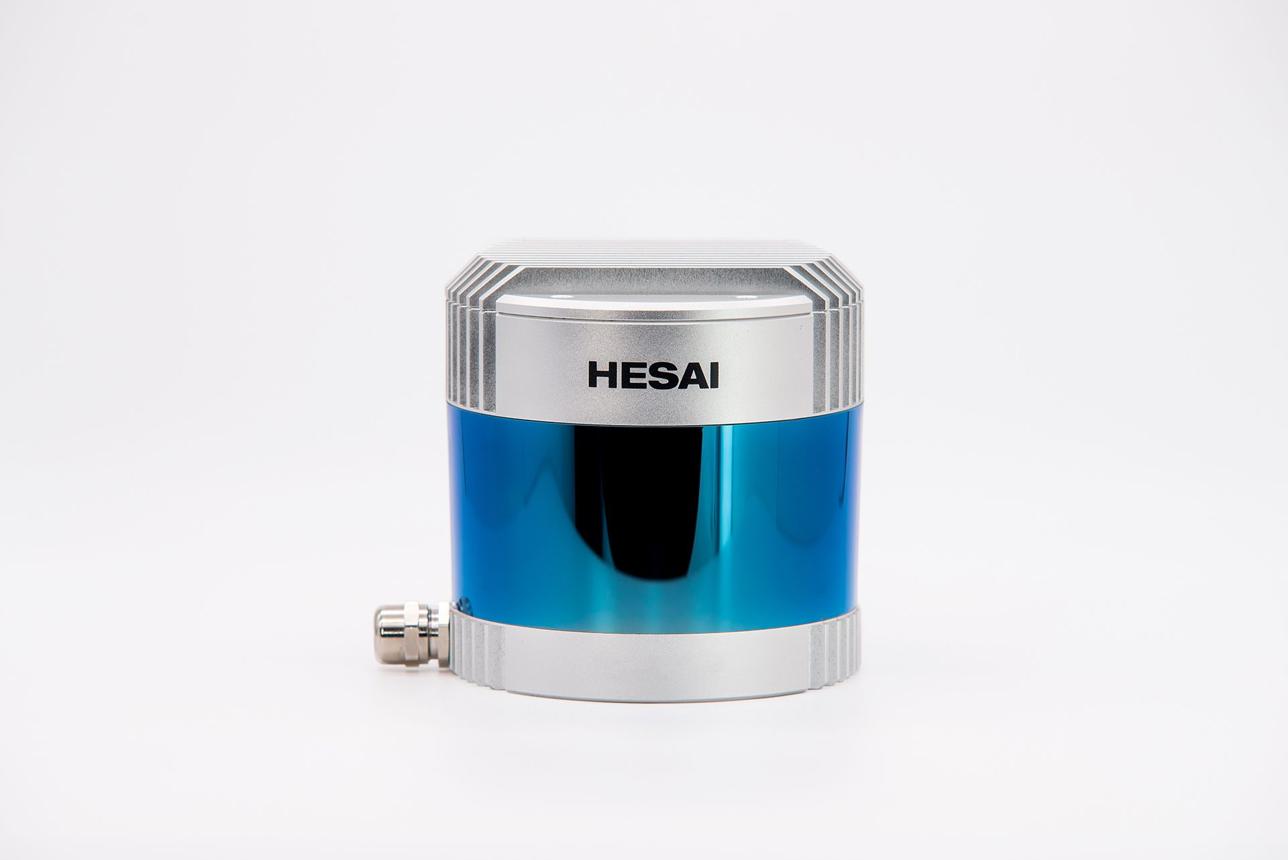
Introduction
Selecting the right LiDAR sensor is only one part of preparing an OEM project for procurement and production.
A complete LiDAR purchasing plan must also account for accessories, cables, connectors, mounting hardware, power requirements, software dependencies, spare units, and product lifecycle considerations. Missing even one component can delay prototype testing, interrupt system integration, or create unnecessary procurement costs.
For robotics manufacturers, automotive suppliers, AMR and AGV developers, and industrial automation companies, a well-prepared LiDAR Bill of Materials (BOM) helps engineering, procurement, and supply chain teams work from the same technical requirements.
However, a LiDAR BOM should be more than a list of product names and quantities. It should identify exact part numbers, approved configurations, required documentation, compatibility requirements, delivery schedules, and change-control responsibilities.
This guide explains how to build a procurement-ready LiDAR BOM, what information to include, and how to manage the transition from engineering prototypes to pilot production and mass manufacturing.
1. Why a Complete LiDAR BOM Matters
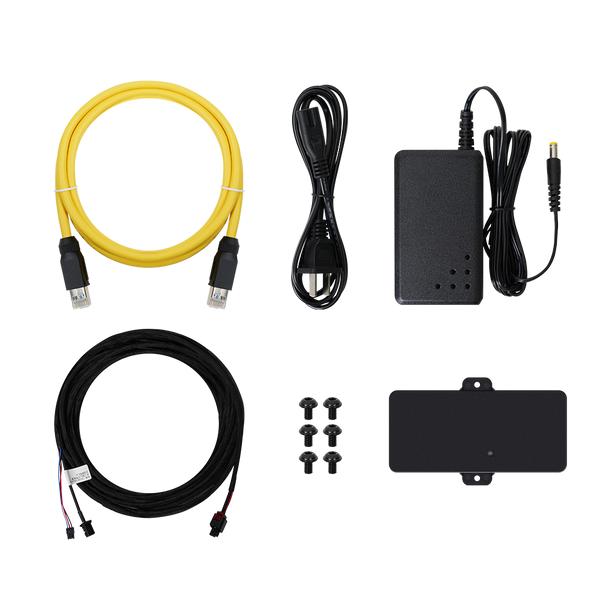
A common procurement mistake is to request a quotation using only a sensor model and quantity.
For example:
- LiDAR model: 3D LiDAR
- Quantity: 20 units
- Application: Autonomous mobile robot
This information is not sufficient for an accurate technical and commercial quotation.
The same product family may have different cable configurations, connectors, mounting requirements, power supplies, firmware versions, and software dependencies.
A quotation based on incomplete information may exclude components that are essential for installation and testing.
A complete BOM helps organizations:
- Avoid missing accessories and incompatible components.
- Standardize hardware configurations across prototypes and production units.
- Compare supplier quotations on an equivalent basis.
- Forecast material requirements and delivery schedules.
- Control engineering changes and approved substitutions.
- Reduce procurement risks during production ramp-up.
- Maintain traceability of purchased components.
For enterprise projects, the BOM should become a controlled document shared by engineering, procurement, quality, and supply chain teams.
2. Define the LiDAR Configuration Before Requesting a Quote
Before preparing the purchasing list, engineering teams should establish the required sensor configuration.
2.1 Identify the exact product and part number
The BOM should specify the manufacturer’s exact model or part number rather than using a general product description.
For example, a project may evaluate products from manufacturers such as Hesai, RoboSense, and Livox.
These brands offer different product families for applications including:
- Autonomous driving and ADAS development
- AMR and AGV navigation
- Industrial robotics
- Mobile robot perception
- UAV mapping and surveying
- Infrastructure monitoring
Even within the same manufacturer’s product family, different models may have significantly different performance characteristics and integration requirements.
The BOM should include:
| BOM field | Required information |
|---|---|
| Manufacturer | Actual product manufacturer |
| Product model | Exact model name |
| Part number | Manufacturer’s ordering code, if applicable |
| Product category | 2D LiDAR, 3D LiDAR, automotive LiDAR, etc. |
| Quantity | Required quantity |
| Configuration | Required hardware and accessory configuration |
| Approved status | Selected, under evaluation, or approved |
Do not assume that similar model names indicate interchangeable products.
2.2 Define the application requirements
The required LiDAR configuration depends on the operating environment and system architecture.
Engineering teams should document:
Detection requirements
- Required detection distance
- Target reflectivity conditions
- Horizontal and vertical field of view
- Angular resolution
- Point cloud density
- Minimum object size
Environmental requirements
- Indoor or outdoor operation
- Ambient temperature range
- Dust and water exposure
- Vibration and mechanical shock
- Sunlight and other environmental interference
Integration requirements
- Ethernet, CAN, USB, or other interfaces, as applicable
- Required data output format
- Time synchronization method
- Power input and consumption
- Mechanical mounting dimensions
- Software development kit and driver requirements
These requirements should be checked against the latest manufacturer documentation for the exact model.
3. Include Every Required Component in the LiDAR BOM
The sensor itself is not always a complete installation package.
A procurement-ready BOM should identify all components required to install, power, connect, and test the LiDAR.
3.1 Main LiDAR sensor
This is the primary sensing component.
Record:
- Manufacturer and exact model
- Part number
- Quantity
- Required configuration
- Approved product revision, where applicable
- Intended application or system location
If multiple LiDAR models are used in one robot or vehicle, each should have a separate BOM line.
3.2 Cables and connectors
Cable requirements are frequently overlooked during early procurement.
Depending on the product and system architecture, the project may require:
- Power cables
- Ethernet cables
- Data communication cables
- Extension cables
- Manufacturer-specific connection cables
- Connector adapters
The BOM should specify cable part numbers, connector types, lengths, and quantities.
Do not assume that a cable supplied with one product is compatible with another model in the same product family.
3.3 Mounting brackets and mechanical accessories
Mechanical installation should be considered during the BOM preparation stage.
Possible requirements include:
- Mounting brackets
- Protective housings
- Mechanical adapters
- Fasteners
- Installation accessories
- Custom mounting components
Check the manufacturer’s mechanical drawings and installation instructions before finalizing the configuration.
For multi-sensor systems, mounting position and orientation can affect the sensor’s field of view and overall perception performance.
3.4 Power and networking components
Depending on the system architecture, additional components may be required:
- DC power supplies
- Power distribution modules
- Ethernet switches
- Industrial network cables
- Communication adapters
- Grounding and protection components
The engineering team should verify voltage, current, power consumption, connector pinout, and network requirements.
These items should not be added automatically to every LiDAR quotation. They should be included only when required by the approved system design.
3.5 Software and development resources
Software requirements should also be documented.
Potential requirements include:
- Manufacturer SDK
- Device configuration software
- ROS or ROS 2 driver
- Sample code
- API documentation
- Firmware information
- Calibration or configuration utilities
For projects using NVIDIA Jetson platforms, confirm the compatibility of the specific LiDAR model, SDK version, operating system, processor architecture, and driver.
ROS or ROS 2 compatibility should never be assumed based only on the product category. Confirm the actual supported software environment with the manufacturer.
4. A Practical LiDAR BOM Template for OEM Procurement
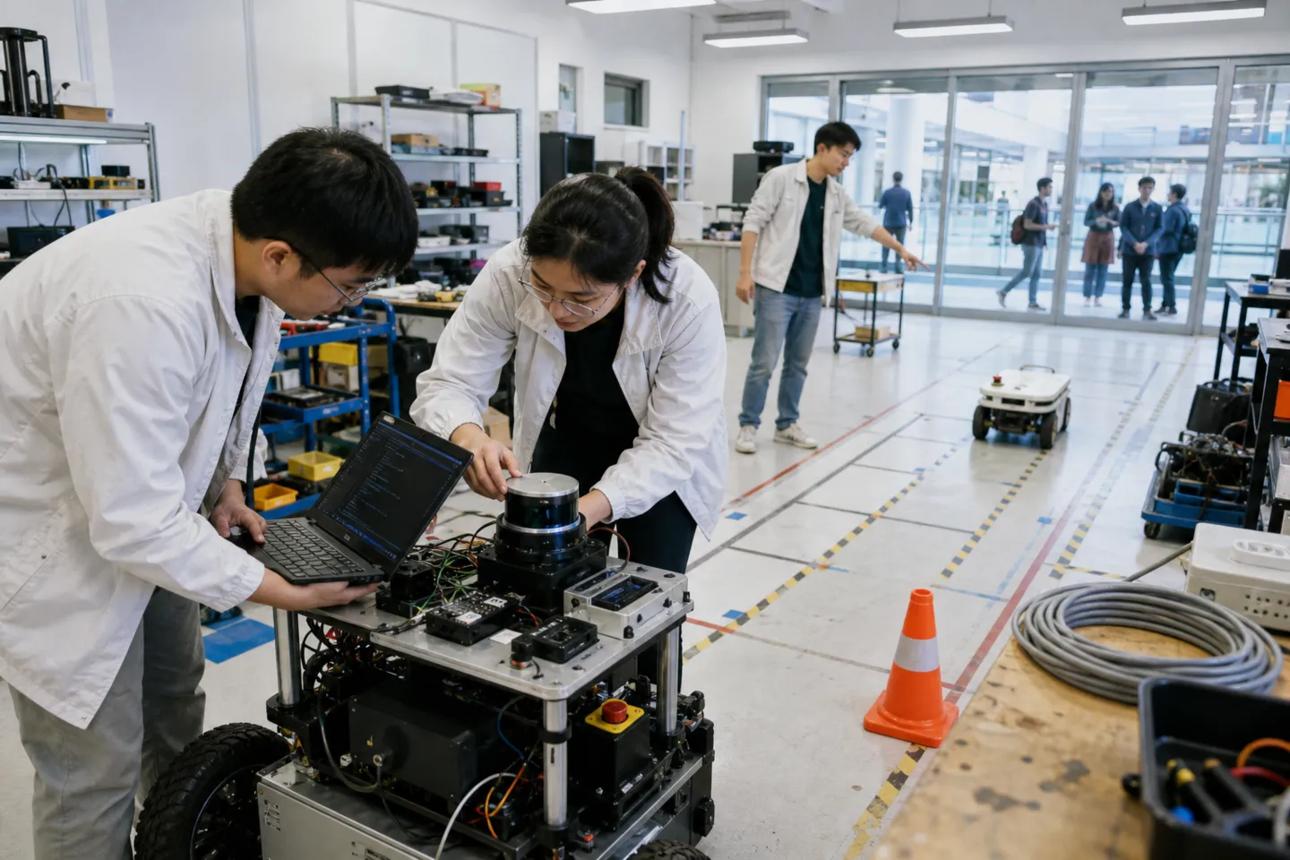
The following structure can be used as a starting point for an OEM or robotics project.
| Item | Description | Model / Part Number | Qty | Configuration | Remarks |
|---|---|---|---|---|---|
| 1 | Main LiDAR sensor | Exact model | 10 | Approved configuration | Main component |
| 2 | Power cable | Exact part number | 10 | Required length | Verify compatibility |
| 3 | Data cable | Exact part number | 10 | Required interface | Verify connector |
| 4 | Mounting bracket | Exact part number | 10 | Required installation | If applicable |
| 5 | Power supply | Required specification | 10 | System dependent | If applicable |
| 6 | Development kit | Exact model | 2 | Evaluation use | If applicable |
| 7 | Spare LiDAR | Approved model | 1 | Spare inventory | Optional |
This is an illustrative template, not a confirmed accessory list for any specific manufacturer’s product.
For larger projects, consider adding these fields:
- Manufacturer
- Supplier
- Unit price
- Extended price
- Currency
- Lead time
- Country of origin, where required
- Required delivery date
- Approved supplier status
- Quality documentation
- Revision number
- Engineering approval status
A structured BOM makes it easier to compare quotations and identify missing components before placing a purchase order.
5. Manage BOM Changes from Prototype to Mass Production
A LiDAR configuration that works during initial testing may not automatically be suitable for production.
OEM projects typically move through several procurement stages.
Stage 1: Engineering evaluation
At this stage, the engineering team may purchase a small number of LiDAR units for:
- Sensor performance evaluation
- Point cloud testing
- Interface verification
- Software development
- Mechanical installation
- Initial system integration
The BOM should clearly identify evaluation quantities and distinguish prototype components from production-approved configurations.
Stage 2: Prototype validation
After initial evaluation, the project should verify:
- Actual detection performance in the intended environment
- Interface and communication stability
- Power and thermal behavior
- Mechanical installation
- Software compatibility
- Sensor synchronization
- Environmental suitability
Any changes made during testing should be recorded in the BOM revision history.
Stage 3: Pilot production
Before pilot production, procurement and engineering teams should freeze the approved hardware configuration or establish a controlled change process.
Key considerations include:
- Confirmed manufacturer part numbers
- Approved cable and accessory configurations
- Defined product quantities
- Confirmed supplier availability
- Quality and inspection requirements
- Delivery schedule
- Spare parts planning
The pilot-production BOM should represent the configuration that has passed the required engineering approvals.
Stage 4: Mass production
During mass production, the BOM becomes an important supply chain control document.
Procurement teams should monitor:
- Product availability
- Manufacturing lead times
- Delivery batch planning
- Price validity
- Supplier continuity
- Product revisions
- Engineering change notifications
- Spare inventory requirements
For high-volume programs, purchasing teams should establish a forecast and communicate expected demand as early as possible.
This helps suppliers evaluate sourcing options and plan deliveries more effectively.
6. Control Alternative Models and Product Substitutions
One of the most important issues in LiDAR procurement is product substitution.
A supplier may suggest another model because the original product is unavailable, has a longer lead time, or is being discontinued.
However, a different model should not automatically be considered an equivalent replacement.
Even products with similar specifications may differ in:
- Field of view
- Detection performance
- Point cloud characteristics
- Mechanical dimensions
- Power requirements
- Interface configuration
- SDK and driver support
- Firmware behavior
- Environmental specifications
Before approving a substitute, engineering teams should evaluate the differences against the project’s requirements.
A recommended substitution process is:
- Identify the original model and reason for substitution.
- Obtain the proposed alternative model and official datasheet.
- Compare critical technical and mechanical parameters.
- Verify interfaces, accessories, and software compatibility.
- Conduct testing where required.
- Obtain written approval from the responsible engineering team.
- Update the BOM and revision history.
Important: Procurement teams should not independently replace an approved LiDAR model without the required engineering authorization.
For automotive, industrial, and safety-related applications, additional customer-specific qualification and validation requirements may apply.
7. Evaluate Supplier Quotations on a Like-for-Like Basis
A low unit price does not necessarily mean a lower total procurement cost.
Two quotations may appear similar while including different configurations, accessories, delivery conditions, or documentation.
For a fair comparison, procurement teams should review the following items.
| Evaluation area | What to verify |
|---|---|
| Product identity | Exact manufacturer and part number |
| Configuration | Same approved product configuration |
| Accessories | Included and excluded items |
| Unit price | Currency and quantity basis |
| Lead time | Availability and estimated delivery schedule |
| Delivery terms | EXW, FCA, FOB, DAP, or other agreed Incoterms |
| Warranty | Applicable manufacturer or supplier warranty terms |
| Documentation | Datasheets, manuals, and available technical documents |
| Payment terms | Deposit, advance payment, or agreed credit terms |
| Quote validity | Expiration date of the quotation |
For international procurement, clearly distinguish product price, freight, customs clearance, import duties, taxes, and local charges.
When comparing DAP quotations, for example, the buyer should understand that import clearance and applicable import duties and taxes are generally the buyer’s responsibility under DAP.
The specific delivery and payment conditions should always be confirmed in the quotation.
8. Plan Lead Time and Delivery Batches for Production
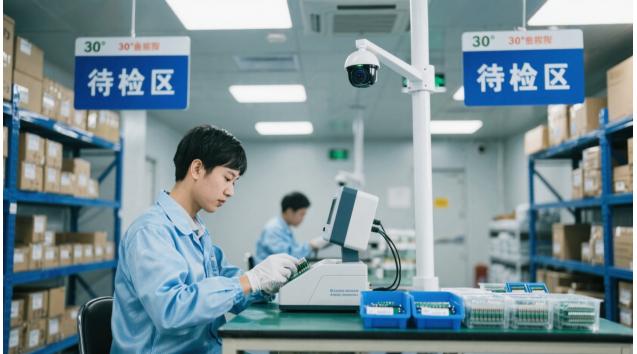
A procurement plan should connect the BOM with the project’s manufacturing schedule.
For example, an OEM may require:
- 5 units for engineering evaluation
- 20 units for prototype development
- 50 units for pilot production
- 300 units for the first production batch
- 1,000 units for the following production phase
These quantities are illustrative. Actual requirements depend on the project.
Instead of requesting one delivery date for the entire quantity, procurement teams may benefit from a phased delivery plan.
A phased schedule can help coordinate:
- Engineering testing
- Prototype assembly
- Pilot manufacturing
- Production ramp-up
- Spare inventory
Before issuing a purchase order, confirm whether the quoted quantity is available from existing stock or depends on future production and sourcing.
Also confirm whether partial shipments are acceptable and whether the supplier can support the required delivery schedule.
9. Documentation and Traceability Requirements
For enterprise procurement, technical and commercial documents should be collected and maintained throughout the purchasing process.
Depending on the product and project requirements, relevant documents may include:
- Official product datasheet
- User manual
- Installation instructions
- Interface documentation
- SDK and software documentation
- Product warranty information
- Commercial quotation
- Packing list
- Commercial invoice
- Shipping documents
- Available product compliance documentation
Some automotive and industrial programs may require additional quality, traceability, or supplier documentation.
Requirements such as PPAP, specific inspection records, certificates, or batch-level traceability should be agreed with the manufacturer and supplier in advance. They should not be assumed to be available for every LiDAR product.
A good procurement process defines the required documents before placing the order rather than requesting them after shipment.
10. Common LiDAR BOM Mistakes to Avoid
Even experienced purchasing teams can encounter problems when the BOM is incomplete.
Mistake 1: Using only product names
A product family name may not identify the exact ordering configuration.
Better approach: Include the exact model and part number whenever available.
Mistake 2: Forgetting cables and accessories
The sensor arrives, but the engineering team cannot complete installation.
Better approach: Confirm the required accessory list against the official product documentation.
Mistake 3: Assuming software compatibility
A sensor may support a particular interface but still require a specific SDK, driver, or software environment.
Better approach: Confirm the exact development environment and software version.
Mistake 4: Ignoring product lifecycle risks
A product may become unavailable or enter an end-of-life process during a long-term program.
Better approach: Ask about current availability, lifecycle status, and manufacturer notifications where this information is available.
Mistake 5: Comparing quotations with different configurations
One supplier includes cables and accessories while another quotes only the sensor.
Better approach: Compare every quotation against the same controlled BOM.
Mistake 6: Changing models without engineering approval
An apparently similar replacement may introduce integration or validation problems.
Better approach: Use a documented technical review and approval process.
11. RFQ Checklist: Information to Send to a LiDAR Supplier
A complete RFQ allows suppliers to provide more accurate pricing, availability, and delivery information.
Before sending an inquiry, prepare the following:
Company and project information
- Company name
- Country and delivery destination
- Application and project background
- Project stage: evaluation, prototype, pilot, or mass production
Technical requirements
- Manufacturer and model
- Exact part number, if known
- Technical specifications
- Required accessories
- Interface and software requirements
- Applicable documentation requirements
Commercial requirements
- Quantity by item
- Target delivery date
- Expected future demand
- Required shipping terms
- Preferred currency
- Payment requirements
Additional purchasing information
- BOM or RFQ attachment
- Approved alternative policy
- Required warranty conditions
- Packaging requirements
- Partial shipment requirements
Providing this information at the beginning can reduce unnecessary clarification and help procurement teams move more efficiently from quotation to purchase order.
12. How LIDARSEEK Supports LiDAR Procurement
LIDARSEEK supports international B2B customers sourcing LiDAR products and related robotics development components.
For OEMs, system integrators, and industrial customers, the procurement process often involves more than identifying a sensor model.
Our support can include:
- Multi-brand LiDAR product sourcing
- Model and part number confirmation
- Quotation preparation for sample and volume requirements
- Product datasheet and technical document coordination
- Accessory and configuration verification
- Availability and lead-time confirmation
- International shipping coordination
- Procurement support for multi-item BOM requirements
We work with product options from manufacturers and brands including Hesai, RoboSense, Livox, and other relevant technology suppliers, subject to product availability and sourcing confirmation.
For projects involving multiple LiDAR models or related components, customers can share their BOM or RFQ for review and quotation.
We aim to help purchasing and engineering teams clarify product configurations and procurement requirements before an order is placed.
13. Frequently Asked Questions
Q1: What information should be included in a LiDAR BOM?
A LiDAR BOM should include the manufacturer, exact model, part number, quantity, configuration, required accessories, cables, connectors, mounting components, and relevant software or documentation requirements.
For enterprise procurement, also include pricing, lead time, supplier, delivery schedule, and approval status.
Q2: Can different LiDAR brands be included in the same BOM?
Yes. An OEM project may use products from multiple manufacturers for different sensing functions.
However, each product should have a clearly defined application, configuration, interface, and approval status.
Q3: Should cables and accessories be purchased together with the LiDAR?
When required for installation and operation, they should be included in the procurement plan.
The exact accessory requirements depend on the selected model and system architecture.
Q4: Can a discontinued LiDAR model be replaced with a newer model?
Not automatically.
The proposed replacement should be checked for mechanical, electrical, optical, software, and environmental compatibility. Engineering validation and formal approval may be required before changing the production BOM.
Q5: Can suppliers quote a BOM containing products from different manufacturers?
This depends on the supplier’s sourcing capabilities and product availability.
LIDARSEEK can assist customers with multi-brand product sourcing and quotation coordination, subject to confirmation of the requested models and quantities.
Q6: How can we request a quotation for a large OEM project?
Send your BOM or RFQ together with the required quantities, delivery destination, technical requirements, and target delivery schedule.
For projects with phased demand, include the estimated quantities for prototype, pilot production, and mass production separately.
Conclusion: Build a Procurement-Ready LiDAR BOM Before Production Starts
A well-prepared LiDAR BOM helps OEMs reduce procurement uncertainty, improve configuration control, and coordinate engineering requirements with production schedules.
The most important principle is to define the complete approved configuration—not just the main sensor.
By including exact part numbers, required accessories, software dependencies, delivery schedules, documentation, and substitution controls, procurement teams can make more reliable purchasing decisions from initial evaluation through mass production.
Need a quotation for your LiDAR BOM?
LIDARSEEK welcomes inquiries from robotics manufacturers, automotive suppliers, industrial automation companies, and system integrators.
Send us your BOM or RFQ, and include:
- Required LiDAR brands and models
- Part numbers and quantities
- Required accessories
- Project application
- Delivery destination
- Target delivery schedule
Our team can help coordinate product sourcing, configuration confirmation, pricing, availability, and international delivery arrangements.
Contact LIDARSEEK
Website: https://lidarseek.com/
Email: lidarseektech@gmail.com
WhatsApp: +86 159 5882 2714
Technical note: Product specifications, accessory compatibility, software support, certifications, warranty conditions, and lifecycle status must be verified against the latest documentation and written confirmation from the relevant manufacturer or supplier. This article is a general procurement guide and does not replace model-specific engineering validation.









