
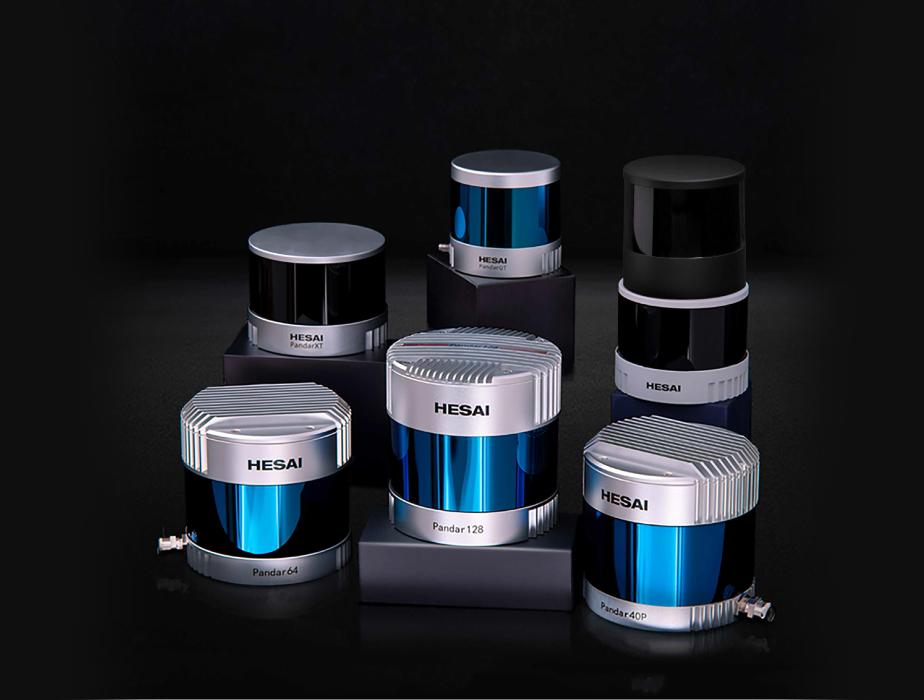
Introduction: Why Global OEMs Need a More Structured LiDAR Procurement Strategy
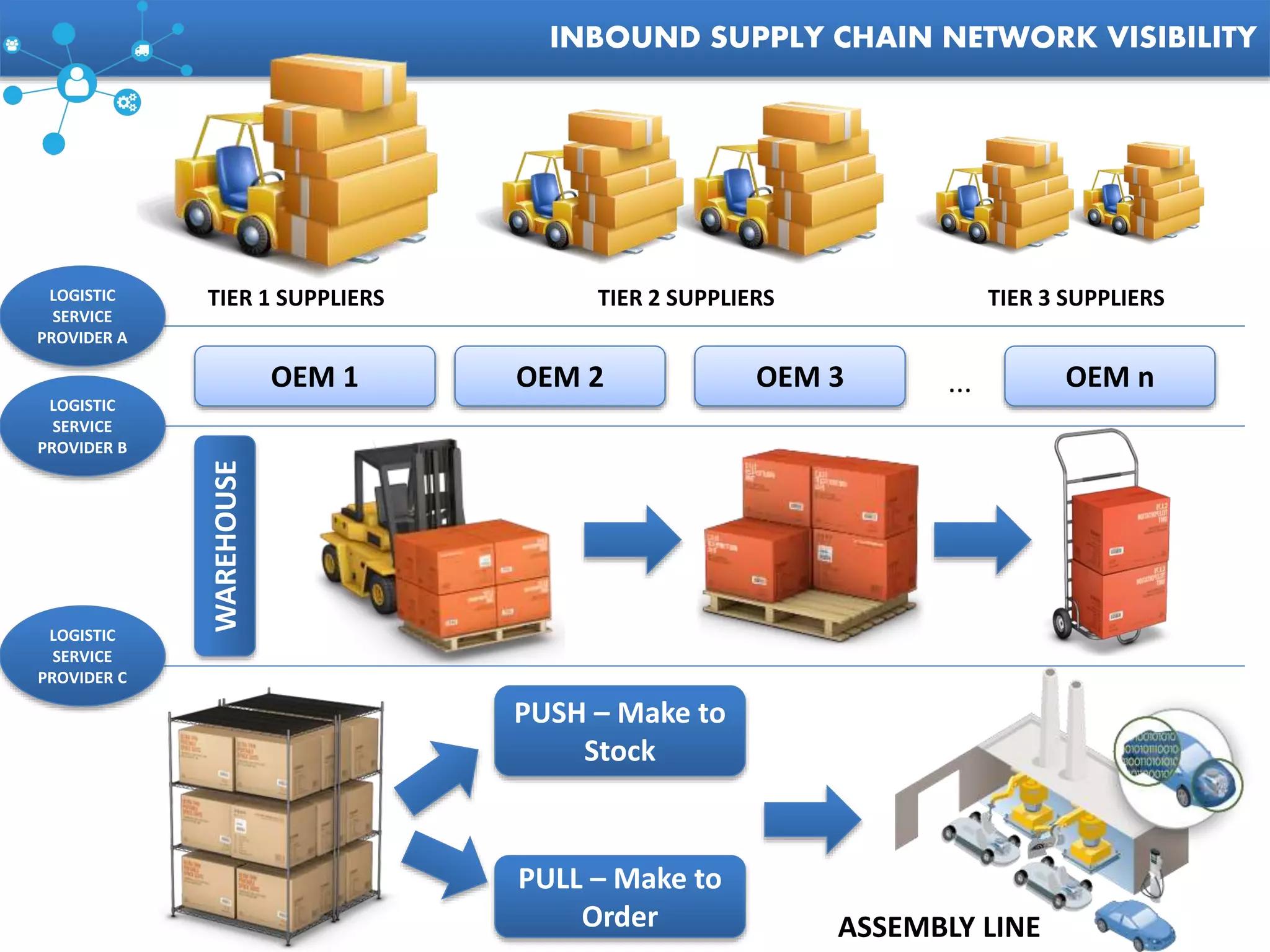
As autonomous driving, industrial automation, robotics, and intelligent transportation systems continue to develop, LiDAR sensors have become increasingly important components in modern industrial and automotive products.
However, for large Original Equipment Manufacturers (OEMs), Tier 1 automotive suppliers, and multinational technology companies, purchasing LiDAR sensors is rarely a simple transaction.
A single enterprise project may involve multiple LiDAR models, different manufacturers, engineering evaluation requirements, several purchasing departments, and deliveries to multiple international destinations.
For example, an automotive technology company may require automotive-grade LiDAR for vehicle perception, industrial LiDAR for factory automation, and compact 3D sensors for robotics development.
Managing these purchases independently can create unnecessary administrative work, fragmented supplier relationships, inconsistent commercial terms, and difficulties coordinating delivery schedules.
This is where a structured multi-model procurement strategy becomes valuable.
Instead of managing every product as an isolated purchase, enterprise procurement teams can establish a more coordinated sourcing process that connects technical requirements, purchasing activities, supplier communication, and international logistics.
This article explains how global OEMs and large-scale industrial buyers can improve multi-model LiDAR procurement and establish a more efficient sourcing framework.
1. Understand the Complexity of Multi-Model LiDAR Procurement
Large companies frequently purchase different sensing technologies for different business units and applications.
Their requirements may include:
Automotive LiDAR
Used in ADAS, autonomous driving, intelligent vehicle perception, and automotive development programs.
Potential sourcing requirements include Hesai AT series, RoboSense automotive LiDAR, and Seyond automotive sensing products.
Industrial LiDAR
Used in AGVs, AMRs, autonomous forklifts, industrial safety systems, and factory automation.
Requirements may include 2D scanning LiDAR, mechanical 3D LiDAR, and compact solid-state sensors.
Robotics LiDAR
Used in mobile robots, humanoid robots, quadruped robots, delivery robots, and autonomous inspection platforms.
Mapping and Surveying LiDAR
Used in UAV mapping, surveying, infrastructure inspection, and geospatial applications.
Although these products share similar sensing principles, their technical specifications, purchasing requirements, and supply arrangements can be significantly different.
For enterprise buyers, the first challenge is creating a clear overview of all required products.
A centralized procurement list should include:
- Manufacturer and brand
- Exact model and part number
- Technical specifications
- Required quantity
- Application or project reference
- Required delivery date
- Delivery destination
- Documentation requirements
- Expected future demand
This provides purchasing teams with a consolidated view of project requirements and helps suppliers prepare more accurate quotations.
2. Supplier Consolidation: Reduce Procurement Complexity Across Multiple Brands
One of the most important considerations in enterprise purchasing is supplier management.
When different departments purchase LiDAR sensors independently, a company may end up communicating with numerous suppliers for relatively similar products.
This can create several challenges:
- Repeated supplier registration and onboarding.
- Different quotation formats and commercial conditions.
- Fragmented communication between purchasing departments.
- Multiple international shipping arrangements.
- Inconsistent product documentation.
- Additional administrative work for accounts payable and procurement teams.
Supplier consolidation can help simplify this process.
Rather than replacing every existing manufacturer relationship, companies can work with a qualified multi-brand sourcing partner to coordinate selected purchasing requirements across different product categories.
For example:
| Product Category | Potential Manufacturers |
|---|---|
| Automotive LiDAR | Hesai, RoboSense, Seyond |
| Industrial 2D LiDAR | Richbeam and other industrial sensing brands |
| Robotics 3D LiDAR | Livox, RoboSense, Hesai |
| AI Vision Systems | Industrial stereo and depth camera manufacturers |
| Embedded AI Platforms | NVIDIA Jetson ecosystem |
The objective is not simply to reduce the number of suppliers.
It is to improve purchasing visibility, simplify quotation coordination, and make sourcing activities easier to manage.
For global OEMs, a multi-brand sourcing partner can provide an additional procurement channel while allowing the company to retain its existing approved manufacturers and suppliers.
Importantly, the actual manufacturer, sourcing relationship, product origin, and applicable authorization status should remain transparent.
3. Build a Centralized RFQ Process for Multiple LiDAR Models
A structured Request for Quotation (RFQ) process is essential when purchasing multiple LiDAR models.
Without standardized RFQ information, suppliers may provide quotations using different configurations, quantities, delivery assumptions, or commercial conditions.
This makes meaningful comparisons difficult.
Enterprise procurement teams should consider using a standardized RFQ template.
Recommended Enterprise LiDAR RFQ Structure
| RFQ Information | Required Details |
|---|---|
| Manufacturer | Hesai, RoboSense, Livox, etc. |
| Model Number | Exact model and part number |
| Quantity | Required quantity per model |
| Application | Automotive, robotics, industrial automation |
| Destination | Country and complete delivery address |
| Delivery Schedule | Required delivery date or project milestones |
| Shipping Terms | EXW, FCA, FOB, DAP, or DDP as applicable |
| Documentation | Datasheets, manuals, compliance documents |
| Warranty | Required warranty conditions |
| Payment Terms | Customer purchasing requirements |
For large purchasing programs, the RFQ should also distinguish between immediate requirements and estimated future demand.
For example, an OEM may initially require 20 sensors for engineering validation, followed by 100 units for pilot production and additional quantities for commercial deployment.
Separating these stages helps suppliers evaluate inventory, replenishment requirements, and delivery arrangements more accurately.
A standardized RFQ also makes it easier for purchasing teams to compare offers across multiple sourcing channels.
4. Standardize Product Identification and Technical Configuration
One common procurement risk is ordering the correct product family but overlooking important configuration differences.
Two products with similar model names may have different hardware revisions, firmware versions, accessories, cables, or communication interfaces.
For industrial and automotive projects, these differences can affect system compatibility and engineering validation.
Before confirming an order, purchasing teams should work with engineering departments to establish an approved product configuration.
Important information includes:
Product Identification
- Exact manufacturer and model.
- Part number, where applicable.
- Hardware revision.
- Firmware version, where relevant.
- Required accessories.
Technical Documentation
- Official datasheet.
- User manual.
- Interface documentation.
- Installation instructions.
- Available SDK and software documentation.
Product Verification
- Product identification and serial number information, where available.
- Relevant sourcing documentation.
- Applicable compliance information.
- Packaging and product condition.
For recurring procurement, approved product configurations should be maintained in a central purchasing record.
Any proposed product substitution or revision change should be reviewed by the relevant engineering team before purchasing approval.
A newer model should not automatically be considered an interchangeable replacement.
5. Coordinate Inventory and Delivery Across Multiple Purchasing Stages

For large OEM projects, delivery coordination can be as important as product selection.
A project may require several LiDAR models at different stages, and not all products will necessarily have the same inventory or lead time.
A structured delivery plan should distinguish between three purchasing stages.
Stage 1: Engineering Samples
Engineering teams typically require limited quantities for:
- Hardware evaluation.
- Software integration.
- Mechanical installation.
- Environmental testing.
- System validation.
At this stage, product availability and documentation are often the immediate priorities.
Stage 2: Pilot Production
During pilot production, purchasing teams may require larger quantities with more predictable delivery arrangements.
Important considerations include:
- Confirmed product availability.
- Consistent model configuration.
- Delivery batch planning.
- Packaging requirements.
- Inspection and acceptance procedures.
Stage 3: Commercial Production
Once a product enters commercial production, supply continuity becomes increasingly important.
Procurement teams should consider:
- Forecast-based purchasing.
- Replenishment lead times.
- Manufacturer production schedules.
- Product lifecycle information.
- Safety stock policies, where appropriate.
- Long-term commercial arrangements.
For suppliers handling multiple models, each product should have its own confirmed availability and delivery estimate.
A single general lead-time statement should not be applied to every item in a multi-model quotation.
6. Evaluate Total Cost of Ownership Instead of Comparing Unit Prices Alone
A competitive unit price is important, but enterprise purchasing decisions should consider the overall cost of procurement.
The Total Cost of Ownership (TCO) may include:
- Product purchase price.
- International transportation.
- Export packaging and handling.
- Customs duties and import taxes.
- Customs clearance fees.
- Local delivery charges.
- Technical evaluation costs.
- Inventory holding costs.
- Warranty and replacement expenses.
- Administrative and supplier management costs.
For example, purchasing several product models through separate suppliers may result in multiple shipments, additional customs procedures, and more administrative work.
Where commercially and operationally feasible, coordinated purchasing and shipment planning may help reduce logistics complexity.
However, consolidation is not always the cheapest or fastest option.
Product availability, delivery deadlines, destination regulations, shipment weight, and customs requirements should all be evaluated.
Understand International Shipping Terms
International procurement teams should also ensure that shipping terms are clearly defined.
Common Incoterms include:
- EXW: The seller makes the goods available at the agreed location.
- FCA: The seller delivers the goods to the carrier or another agreed party at the named place.
- FOB: Generally applicable to sea or inland waterway transport.
- DAP: The seller arranges delivery to the named destination, while the buyer is generally responsible for import clearance and applicable import duties and taxes.
- DDP: The seller assumes responsibility for import clearance and applicable duties and taxes, subject to the agreed arrangement and its ability to perform those obligations.
The named delivery location and applicable Incoterms version should always be stated clearly in the quotation and purchase order.
For multinational companies, transparent landed-cost calculations help procurement teams compare suppliers on a consistent basis.
7. Manage Supplier Qualification and Compliance Requirements
Large organizations often operate formal supplier onboarding and approval processes.
Before purchasing, suppliers may need to complete registration questionnaires, submit company information, and provide supporting commercial or compliance documents.
Depending on the customer and project, these requirements may include:
- Legal company registration information.
- Business and invoicing details.
- Banking information and verification.
- Company profile.
- Product sourcing information.
- Applicable quality certifications.
- Compliance declarations.
- Warranty conditions.
- Relevant product documentation.
It is important to distinguish between the manufacturer and the company supplying the product.
A manufacturer, authorized distributor, independent channel partner, and international sourcing company may have different commercial and legal responsibilities.
Enterprise procurement teams should verify the actual contracting entity and confirm that the supplier’s documentation matches the customer’s onboarding requirements.
If a customer requires formal manufacturer authorization, this should be treated as a specific qualification requirement rather than assumed from a general supplier relationship.
Clear documentation and accurate supplier information help prevent delays during procurement approval.
8. Establish a Supplier Performance Evaluation Framework

For long-term procurement programs, companies should evaluate suppliers using measurable performance indicators rather than relying only on quotations and communication quality.
A practical supplier scorecard may include:
| Evaluation Area | Suggested Weight |
|---|---|
| Product and technical suitability | 20% |
| Product authenticity and documentation | 15% |
| Inventory and supply availability | 20% |
| Delivery performance | 15% |
| Commercial competitiveness | 15% |
| Technical and after-sales support | 10% |
| Communication and responsiveness | 5% |
| Total | 100% |
The weighting can be adjusted according to the project.
For example, automotive production programs may place greater emphasis on quality management, product lifecycle, and traceability.
Early-stage robotics projects may place greater emphasis on product selection, technical documentation, and integration support.
Some requirements should also be treated as mandatory pass/fail conditions rather than simply included in a weighted score.
This approach helps purchasing departments establish a more objective supplier evaluation process.
9. Improve Coordination Between Procurement, Engineering, and Logistics Teams
One of the most overlooked challenges in large-scale LiDAR procurement is internal communication.
Different departments may have different priorities:
Engineering Teams
Focus on sensor performance, compatibility, product revisions, software support, and technical documentation.
Procurement Teams
Focus on price, supplier qualification, commercial terms, purchase orders, and purchasing efficiency.
Supply Chain Teams
Focus on inventory planning, delivery schedules, transportation, and supply continuity.
Quality Teams
Focus on product identification, inspection requirements, applicable certifications, and traceability.
Finance Departments
Focus on payment terms, invoices, banking information, currency, and cost allocation.
A coordinated procurement process should ensure that these departments work with the same approved product information and purchasing requirements.
A centralized RFQ and product approval record can reduce misunderstandings and prevent purchasing errors.
10. Why Multi-Brand Sourcing Can Benefit Global OEM Procurement
For companies purchasing multiple sensing technologies, working with a multi-brand sourcing partner may provide additional flexibility.
Potential benefits include:
Broader Product Access
Access to different LiDAR manufacturers and product categories through one sourcing channel.
Simplified RFQ Coordination
A single contact point for coordinating inquiries involving multiple models and manufacturers.
Procurement Flexibility
The ability to evaluate different products according to application requirements, availability, and commercial conditions.
Project-Based Purchasing
Support for different purchasing stages, from engineering samples to larger procurement orders.
International Logistics Coordination
Assistance with shipment planning and delivery arrangements for international customers.
However, multi-brand sourcing should complement, not replace, the customer’s supplier qualification and technical approval procedures.
For mission-critical automotive and industrial projects, the manufacturer, sourcing route, product configuration, and contractual responsibilities must remain clear.
How LIDARSEEK Supports Global LiDAR Procurement
LIDARSEEK provides multi-brand LiDAR sourcing and intelligent perception product solutions for international B2B customers.
Our portfolio covers products from manufacturers and technology providers including Hesai, RoboSense, Seyond, Livox, and other relevant sensing brands.
We support purchasing inquiries involving:
- Automotive LiDAR for ADAS and autonomous driving projects.
- Industrial 2D and 3D LiDAR for factory automation.
- LiDAR sensors for AMR, AGV, and mobile robotics.
- Compact LiDAR for robotics development.
- AI vision cameras and related perception hardware.
- NVIDIA Jetson development platforms.
Beyond product sourcing, LIDARSEEK assists customers with product inquiries, model comparisons, technical information, quotation coordination, availability checks, and international shipping arrangements.
We understand that enterprise purchasing requires more than a competitive price.
Different projects may have different requirements for documentation, delivery schedules, product configurations, commercial terms, and technical support.
Our objective is to help international customers simplify product sourcing and coordinate their LiDAR purchasing requirements more efficiently.
Planning a Multi-Model or Large-Volume LiDAR Purchase?
Whether your company is purchasing a single LiDAR model or coordinating multiple products for a larger project, LIDARSEEK welcomes your procurement inquiry.
To help our team prepare a more accurate quotation, please provide the following information:
1. Product Requirements
Manufacturer, model number, and part number for each required item.
2. Purchasing Quantities
Required quantities for each model, including estimated future demand if available.
3. Project Information
Automotive, robotics, industrial automation, autonomous driving, or another application.
4. Delivery Requirements
Destination country, complete delivery address, and expected delivery schedule.
5. Commercial and Documentation Requirements
Preferred shipping terms, supplier registration requirements, technical documentation, and any applicable compliance requirements.
You may also send us your RFQ spreadsheet or Bill of Materials (BOM) directly.
Our team can review the requested products and coordinate a quotation based on confirmed sourcing options, availability, and delivery requirements.
Contact LIDARSEEK for Multi-Brand LiDAR Sourcing and Enterprise Procurement Support.
Website: https://lidarseek.com/
Email: lidarseektech@gmail.com
WhatsApp: +86 159 5882 2714
Frequently Asked Questions
1. Can one supplier coordinate procurement across multiple LiDAR brands?
Some multi-brand sourcing partners can coordinate product inquiries and quotations across several manufacturers. Buyers should verify the sourcing relationship, product availability, and applicable documentation for each model.
2. What information is required for a bulk LiDAR quotation?
Typically, suppliers need the exact model numbers, quantities, destination country, delivery schedule, and preferred commercial terms. Additional technical and compliance requirements should also be communicated before quotation.
3. Can OEMs purchase different LiDAR models in one RFQ?
Yes. A consolidated RFQ can include multiple manufacturers and models. Each item should have a separate part number, quantity, price, availability, and estimated lead time.
4. How can companies reduce LiDAR procurement costs?
Companies can evaluate volume pricing, sourcing alternatives, consolidated purchasing, shipping arrangements, and total landed cost. The lowest unit price should not be the only selection criterion.
5. How should procurement teams manage different delivery schedules?
Separate each product into its own delivery schedule and confirm stock, replenishment lead time, and shipment arrangements individually. Partial deliveries may be considered when commercially and operationally appropriate.
6. Can LIDARSEEK support international enterprise customers?
LIDARSEEK serves international B2B customers and provides LiDAR product sourcing, quotation coordination, technical product information, and international logistics assistance. Specific supplier registration, documentation, and contractual requirements should be discussed for each project.
7. Does LIDARSEEK supply Hesai, RoboSense, Seyond, and Livox products?
LIDARSEEK offers sourcing options covering these manufacturers. Specific model availability, sourcing arrangements, and delivery schedules should be confirmed when requesting a quotation.
8. Can I send an existing company RFQ or BOM?
Yes. You can send an existing RFQ spreadsheet or BOM with the required models, quantities, and delivery information. This helps streamline product identification and quotation preparation.









