
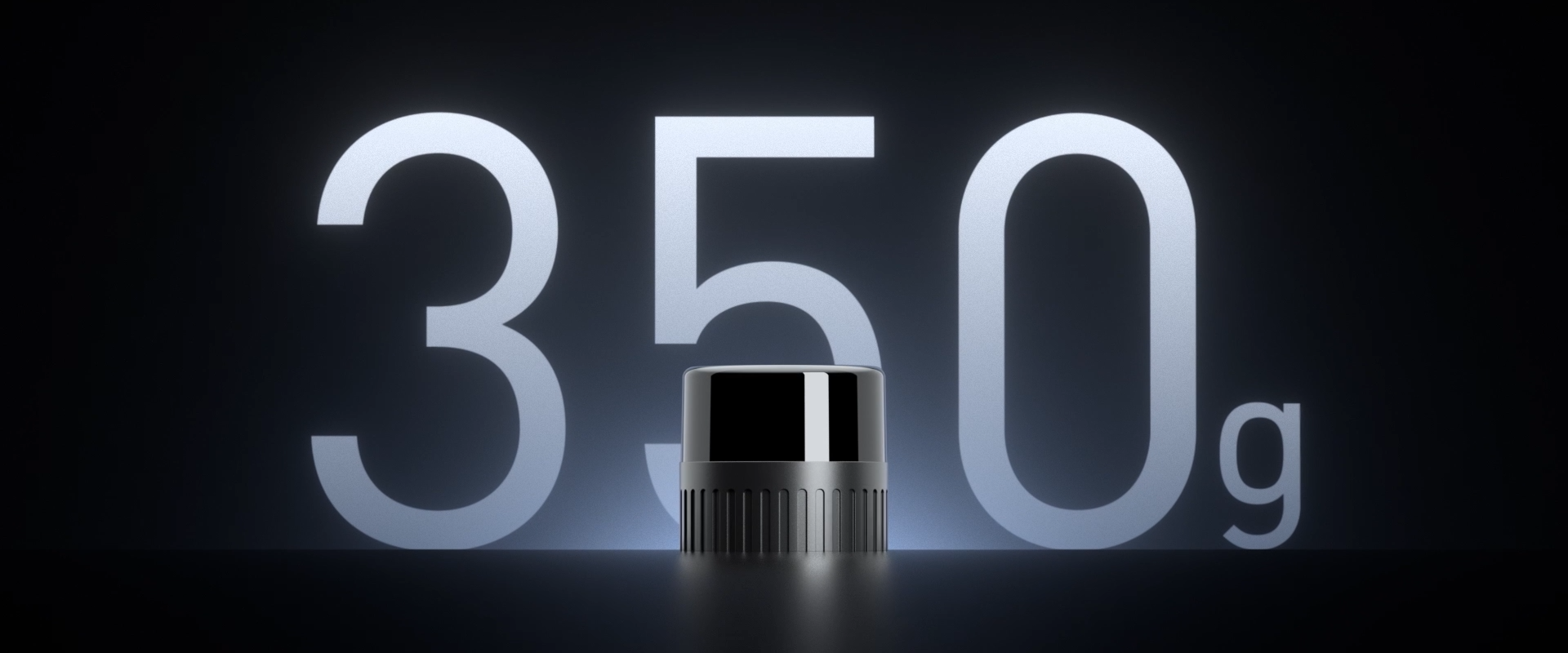
The RoboSense Fairy LiDAR represents a new class of perception sensor built for modern intelligent machines. By combining compact design with high-density 3D sensing and stable mid-range performance, Fairy enables robots, drones, and smart infrastructure systems to operate more safely and efficiently.
For engineers, it delivers reliable spatial data. For buyers, it offers integration flexibility and long-term scalability. And for the broader LiDAR market, Fairy demonstrates how compact high-performance LiDAR is becoming a key driver of next-generation automation.
How RoboSense Fairy LiDAR Enables
As robotics and intelligent automation continue to expand into real-world environments, the demand for high-precision 3D LiDAR sensors is growing rapidly. From autonomous mobile robots navigating warehouses to drondense, accurate,.
The RoboSense Fairy LiDAR has emerged as a powerful mid-range solution
This article explores how RoboSense Fairy empowers robotics, smart infrastructure, and industrial platforms, while also explaining why it is gaining attention among engineers, integrators, and technology buyers searching for a compact yet high-performa.
The Sh
For many years, LiDAR development focused heavily on long-range automotive applications. While those sensors remain important, today’s robotics and automation sectors requ
- Smalle
- Lower power
- High point cloud density
- Stable performance indoors and
The RoboSense Fairy LiDAR was designed with exactly these requirements in mind. Instead of prioritizingrang, making it ideal fomid-range 3D perception tasks.
Th
- Compact 3
- Mid-range LiDAR for robotics
- Lightweight LiDAR for autonomous systems
- High-resolution laser LiDAR scanner
Engineering Advantages That Translate I
Dense 3D Point Cloud for Reliable Perception
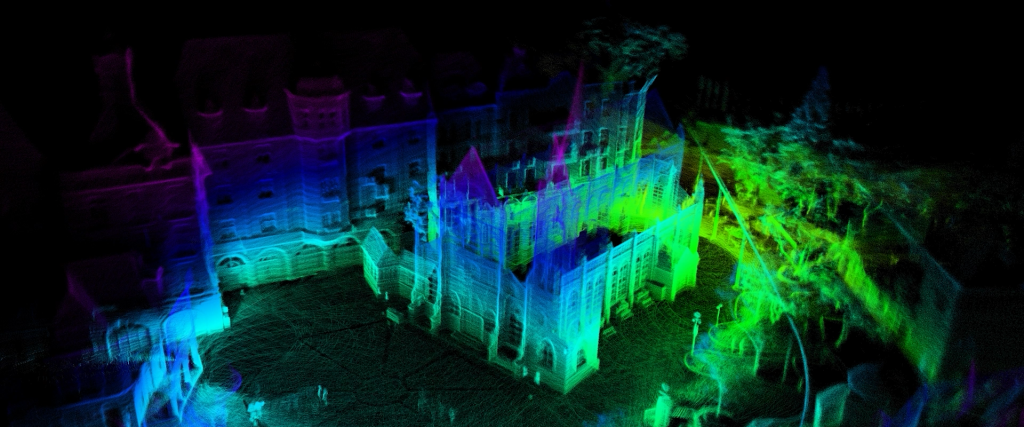
Modern robotic algorithms rely on high-quality spatial data. Sparse sensing can lead to missed obstacles, unstable mapping, and unreliable object classification.
Fairy produces a high-density 3D point cloud, which improves:
- Edge and contour detection
- Small object recognition
- Environmental modeling accuracy
For robotics engineers, this means better performance in SLAM, obstacle avoidance, and path planning. For commercial buyers, it means fewer perception failures and safer operation.
Keywords integrated: high-density point cloud LiDAR, 3D perception sensor, SLAM LiDAR
Mid-Range Detection for Safer Motion Planning
With detection capabilities reaching well beyond short-range sensors, Fairy allows robots and smart systems to “see ahead” and make smoother decisions. Mid-range sensing is particularly important for:
- Fast-moving mobile robots
- Outdoor delivery platforms
- Drones operating near structures
Earlier obstacle detection reduces abrupt stops and improves operational efficiency, a factor that directly influences ROI for automation deployments.
Keywords integrated: mid-range LiDAR sensor, LiDAR for autonomous navigation
Compact Size for Easy Integration
Space is always limited on mobile systems. A bulky sensor can affect balance, power usage, and mechanical design.
Fairy’s compact structure makes it suitable for:
- Service robots
- Autonomous mobile robots (AMRs)
- Inspection drones
- Research platforms
This flexibility reduces redesign costs and accelerates time to market for robotics manufacturers.
Keywords integrated: compact LiDAR for robots, lightweight 3D LiDAR sensor
Industry Application Spotlight
1. Warehouse Robotics and Logistics Automation
Warehouses are becoming increasingly automated, with fleets of robots moving goods around the clock. These robots must navigate:
- Narrow aisles
- Dynamic human activity
- Changing shelf layouts
Fairy provides detailed 3D perception that helps robots distinguish between fixed structures and temporary obstacles. Unlike traditional 2D laser scanners, a 3D LiDAR sensor detects height variations and overhanging objects, significantly improving navigation safety.
This makes Fairy highly relevant for searches like:
- LiDAR for warehouse robots
- 3D LiDAR for logistics automation
- Robotic navigation LiDAR sensor
2. Autonomous Delivery and Service Robots
Sidewalk delivery robots and service platforms operate in highly unpredictable environments. They encounter:
- Pedestrians
- Stairs and ramps
- Street furniture
- Moving vehicles
Fairy’s mid-range sensing and dense point cloud output help robots understand these environments in detail, enabling smoother path planning and better obstacle classification.
For companies developing last-mile delivery systems, reliable perception reduces collisions and improves public acceptance of autonomous robots.
Keywords integrated: LiDAR for delivery robots, robotic obstacle detection LiDAR
3. Drone Mapping and Infrastructure Inspection
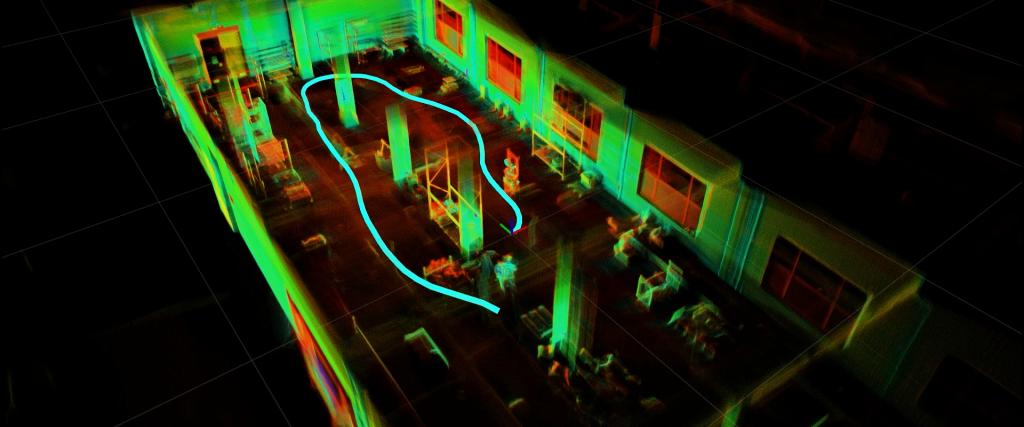
Drones benefit enormously from compact LiDAR sensors that deliver professional-grade data. Fairy’s lightweight design allows UAVs to perform:
- Power line inspection
- Construction progress mapping
- Terrain modeling
Because LiDAR does not rely on ambient light, Fairy supports operations at dusk, dawn, or in shadowed industrial sites where cameras struggle.
4. Smart Infrastructure and Security Monitoring
Fairy can also function as a fixed 3D sensing unit in smart city and facility management systems. Applications include:
- Perimeter intrusion detection
- Crowd flow monitoring
- Smart parking analysis
Its consistent performance in varying lighting conditions gives it an advantage over camera-only systems.
Commercial Perspective: Why Buyers See Long-Term Value
From a procurement standpoint, Fairy offers advantages beyond technical specs.
Reduced Sensor Redundancy
Instead of combining multiple sensors to achieve full spatial awareness, integrators can rely on a single high-performance 3D LiDAR. This simplifies:
- Hardware architecture
- Software integration
- Maintenance planning
Lower Integration Risk
RoboSense has a strong reputation in the LiDAR industry, and Fairy benefits from mature signal processing and stable data output. This reduces project risk for companies deploying LiDAR in production environments.
Scalability for Future Upgrades
As robotics and automation systems evolve, having a sensor with higher point cloud density and reliable mid-range detection ensures compatibility with more advanced algorithms in the future.
Comparing Fairy with Typical Compact LiDAR Solutions
| Feature | RoboSense Fairy LiDAR | Entry-Level Compact LiDAR |
|---|---|---|
| Detection Range | Mid-range (up to ~150 m) | Short range |
| Point Cloud Density | High | Moderate/Low |
| Integration Flexibility | Excellent | Good |
| Suitable for UAVs | Yes | Sometimes |
| Industrial Use Cases | Broad | Limited |
This comparison highlights Fairy’s position as a professional-grade compact LiDAR, rather than a basic entry-level sensor.









