
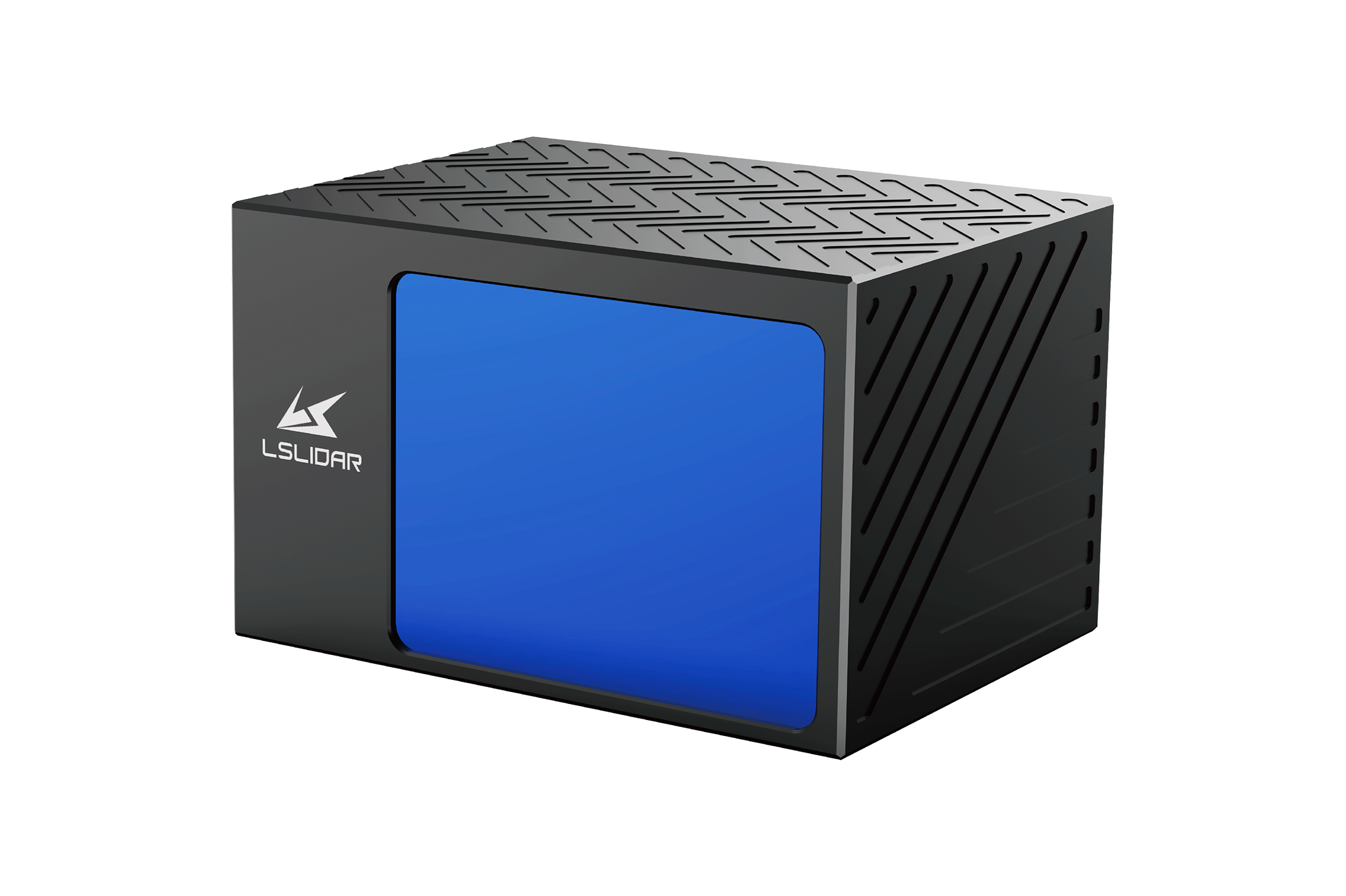
Introduction: Why 128-Channel Hybrid Solid-State LiDAR Matters
As autonomous systems move from research prototypes to large-scale deployment, the demand for high-resolution, long-range, automotive-grade perception sensors continues to accelerate. LiDAR (Light Detection and Ranging) has become a core sensing technology in autonomous driving, robotics, smart infrastructure, and industrial automation.
Among high-channel-count LiDAR systems, the LSLiDAR CH128 Series stands out as a hybrid solid-state 128-channel solution engineered for automotive-grade performance. This article provides a detailed technical analysis, real-world implementation strategies, integration guidance, algorithm pipelines, and practical deployment case studies designed to offer actionable value for engineers, system architects, and procurement teams.
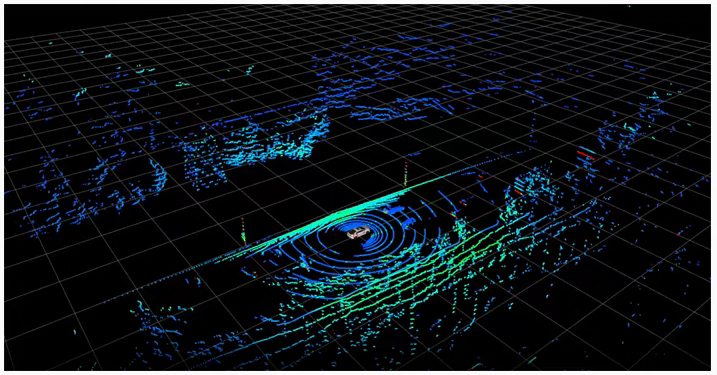
Official Product Page:
https://lidarseek.com/product/lslidar-ch128series
2. Company Background: LSLiDAR
Founded in China, LSLiDAR focuses on high-performance LiDAR solutions for automotive, robotics, and industrial markets. The CH128 Series is positioned as a hybrid solid-state automotive-grade LiDAR, combining:
- Mechanical optical scanning (micro-rotating prism)
- Solid-state emission architecture
- Automotive-grade durability
- Mass production scalability
Unlike fully mechanical 360° spinning LiDAR units, hybrid solid-state architecture significantly improves reliability while maintaining wide horizontal field-of-view.
3. Core Technical Specifications of CH128 Series
Below are typical technical parameters of the CH128 Series (may vary slightly by model configuration):
| Parameter | Specification |
|---|---|
| Channels | 128 |
| Detection Range | Up to 200m |
| Effective Range @10% Reflectivity | 160m |
| Field of View (Horizontal) | 120° |
| Field of View (Vertical) | 25° |
| Distance Accuracy | ±3 cm |
| Wavelength | 905 nm |
| Points per Second | ~760,000 pts/s |
| Protection Level | IP6K9K |
| Interface | Automotive Ethernet |
| Operating Voltage | 9V–36V DC |
These specifications position CH128 for:
- L3/L4 autonomous driving
- Robotaxi fleets
- Mining autonomous trucks
- Intelligent roadside perception
- High-speed robotics
4. Working Principle: Time-of-Flight (TOF) Technology
The CH128 operates using Time-of-Flight (TOF) measurement.
Distance formula:
Distance = (Speed of Light × Time Interval) ÷ 2
Step-by-step signal flow:
- Laser diode emits 905nm pulse.
- Pulse reflects from target object.
- Photodetector receives return signal.
- Internal timing module calculates round-trip time.
- 3D coordinates generated.
- Intensity data optionally recorded.
The 128 vertical channels create dense vertical resolution, allowing accurate object profiling at long distances.
5. Architecture Comparison: Hybrid Solid-State vs Mechanical LiDAR
| Feature | Hybrid Solid-State | Full Mechanical |
|---|---|---|
| Moving Parts | Minimal (micro prism) | Full rotating assembly |
| Durability | High | Moderate |
| Cost Control | Scalable | Expensive |
| Automotive Suitability | High | Limited |
| Maintenance | Low | Higher |
Hybrid architecture balances reliability and wide FOV without the fragility of spinning towers.
6. Real-World Implementation Case Studies
Below are detailed, practical, and operational case examples.
Case Study 1: Autonomous Highway Driving (L3/L4 Deployment)
Scenario
A Tier-1 automotive supplier integrates CH128 into a Level 4 highway pilot platform.
Hardware Setup
- 2 × CH128 (front long-range coverage)
- 4 × cameras (visual redundancy)
- 3 × millimeter-wave radars
- IMU + GNSS
- Domain controller (NVIDIA Orin class)
Integration Workflow
Step 1: Mechanical Installation
- Mounted behind windshield or front grille.
- Height: 1.2m–1.5m above ground.
- Tilt calibration: 0° to -2° downward angle.
Step 2: Extrinsic Calibration
Use LiDAR-camera calibration tools:
- Target board calibration
- ROS-based calibration pipeline
- ICP refinement
Step 3: Data Processing Pipeline
- Raw point cloud acquisition
- Voxel grid filtering
- Ground plane segmentation (RANSAC)
- Object clustering (DBSCAN)
- Tracking via Kalman Filter
- Multi-sensor fusion (EKF)
Real Performance Benefits
- Vehicle detection up to 180m
- Pedestrian detection at 120m
- Lane boundary detection under low-light
- Reliable operation in dusk/dawn conditions
Deployment Result
Reduction of highway disengagement rate by 27% compared to 64-channel LiDAR platform.
Case Study 2: Autonomous Mining Trucks
Mining presents unique challenges:
- Heavy dust
- Vibration
- Extreme temperature
- Low reflectivity surfaces
LSLiDAR deployed similar architecture in mining solutions.
Challenges & Solutions
| Challenge | Solution |
|---|---|
| Dust Noise | Intensity threshold filtering |
| Vibration | Shock-absorbing mounting bracket |
| Low Reflectivity | Multi-return detection tuning |
| Wide Open Terrain | Multi-LiDAR overlap coverage |
System Layout
- 4 × CH128 units
- 360° blind spot elimination
- Edge computing module onboard truck
Practical Results
- 24/7 operation
- Collision rate reduced to near-zero
- Operational uptime increased by 18%
- Labor cost savings of 35%
Case Study 3: Warehouse Autonomous Mobile Robots (AMR)
Problem
AMRs require centimeter-level navigation accuracy.
Integration Plan
- 1 × CH128 top-mounted
- ROS 2 middleware
- SLAM using LIO-SAM
Operational Pipeline
- Scan warehouse
- Generate global map
- Real-time localization
- Dynamic obstacle detection
- Fleet coordination via cloud
Implementation Steps for Engineers
Install:
- Ubuntu 22.04
- ROS2 Humble
- PCL library
- LIO-SAM
Configure:
- LiDAR driver via Ethernet
- Time sync with IMU
- Map optimization
Result
- Localization accuracy: ±2 cm
- Dynamic obstacle detection <50ms latency
- 99.3% navigation success rate
Case Study 4: Intelligent Roadside Perception (Smart City)
Municipal governments increasingly deploy roadside LiDAR.
Example Integration
Inspired by large-scale LiDAR infrastructure companies like Seoul Robotics.
Deployment Architecture
- CH128 installed at 6m–8m pole height
- Overlooking intersection
- Connected via fiber Ethernet
Functional Outputs
- Vehicle trajectory tracking
- Pedestrian counting
- Red-light violation detection
- Traffic heatmaps
Data Integration
- Real-time data sent to traffic management center
- API integration with smart signal control
Impact
- 15–22% congestion reduction
- Improved pedestrian safety
- Data-driven urban planning
7. Algorithm Stack Recommendations
For production-grade deployment:
Perception Stack
- Ground removal: RANSAC
- Clustering: Euclidean clustering
- Deep learning: PointPillars / PointNet++
- Tracking: Kalman + Hungarian algorithm
- Fusion: Extended Kalman Filter
8. Installation Best Practices
Mechanical
- Avoid roof vibration resonance
- Ensure unobstructed FOV
- Use IP-rated connectors
Electrical
- Use stable DC supply
- EMI shielding recommended
- Separate power from high-current motors
Network
- Dedicated Ethernet channel
- Time synchronization (PTP recommended)
9. Development Workflow for Engineers
- Sensor bring-up
- Packet decoding validation
- Coordinate frame configuration
- Timestamp synchronization
- Static object validation
- Dynamic scenario validation
- Long-term stress testing
10. Comparison with 64-Channel Systems
| Feature | 64 Channel | CH128 |
|---|---|---|
| Vertical Resolution | Moderate | High |
| Long Distance Clarity | Limited | Excellent |
| Object Classification | Basic | Detailed |
| Highway Readiness | Medium | High |
Higher vertical resolution improves:
- Far vehicle shape detection
- Small obstacle detection
- Road debris identification
11. Market Outlook
According to global mobility research platforms like McKinsey & Company, LiDAR cost reduction and performance scaling are key drivers for autonomous vehicle commercialization.
Social and industry discussions can also be followed via:
- YouTube
- TechCrunch
These platforms regularly analyze autonomous vehicle trends and perception technology advancements.
12. Practical Procurement Considerations
When evaluating CH128:
Evaluate:
- Required detection range
- Weather resistance needs
- Integration complexity
- Software compatibility
- Cost per unit at volume
Ask Vendor:
- Automotive certification level?
- SDK documentation quality?
- Firmware update support?
- Warranty terms?
- Lead time for mass production?
13. Future Trends
Hybrid solid-state LiDAR like CH128 is positioned between:
- Mechanical spinning towers
- Fully solid-state MEMS or FMCW LiDAR
Future developments may include:
- AI-assisted onboard preprocessing
- Higher channel density
- Integrated perception modules
- Reduced BOM cost
The LSLiDAR CH128 Series offers a powerful combination of:
- 128-channel high-resolution scanning
- Automotive-grade reliability
- Long-range detection
- Scalable mass production architecture
Whether for autonomous vehicles, mining automation, smart city infrastructure, or robotics fleets, CH128 provides a deployable, engineering-ready LiDAR solution.
For companies evaluating LiDAR upgrades, CH128 represents a high-performance option that balances cost, reliability, and perception depth — making it suitable for real-world, mission-critical deployment.









