
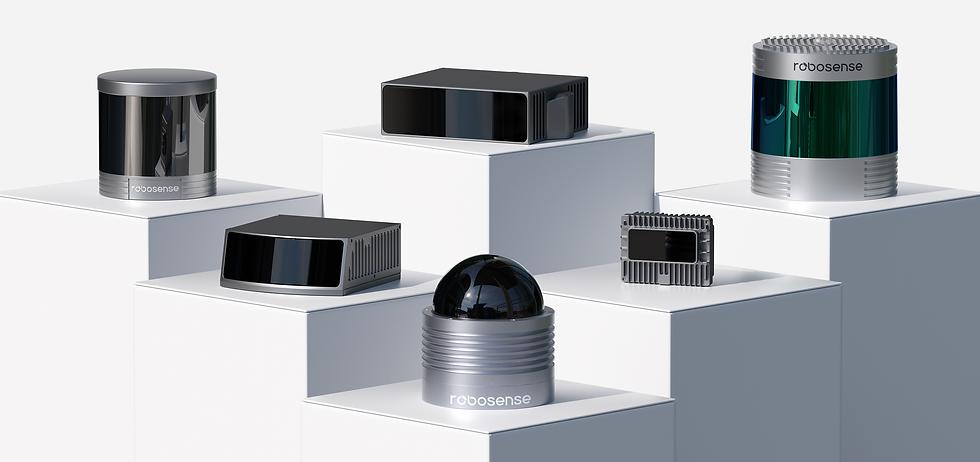
Purchasing LiDAR sensors for an engineering project is not simply a matter of finding a product and comparing prices.
For automotive OEMs, Tier 1 suppliers, robotics manufacturers, autonomous driving developers, and industrial system integrators, a successful LiDAR procurement process requires careful consideration of product specifications, application requirements, supplier capabilities, delivery schedules, and long-term availability.
One of the most common challenges in B2B LiDAR purchasing is receiving quotations that are difficult to compare. Different suppliers may quote different configurations, delivery terms, accessories, or lead times, making it difficult for procurement teams to determine the actual cost and suitability of each offer.
A well-prepared Request for Quotation (RFQ) helps avoid these problems.
In this guide, we explain what information buyers should provide when requesting a LiDAR quotation, how to evaluate supplier responses, and how to make the procurement process more efficient.
1. Why a Detailed LiDAR RFQ Matters
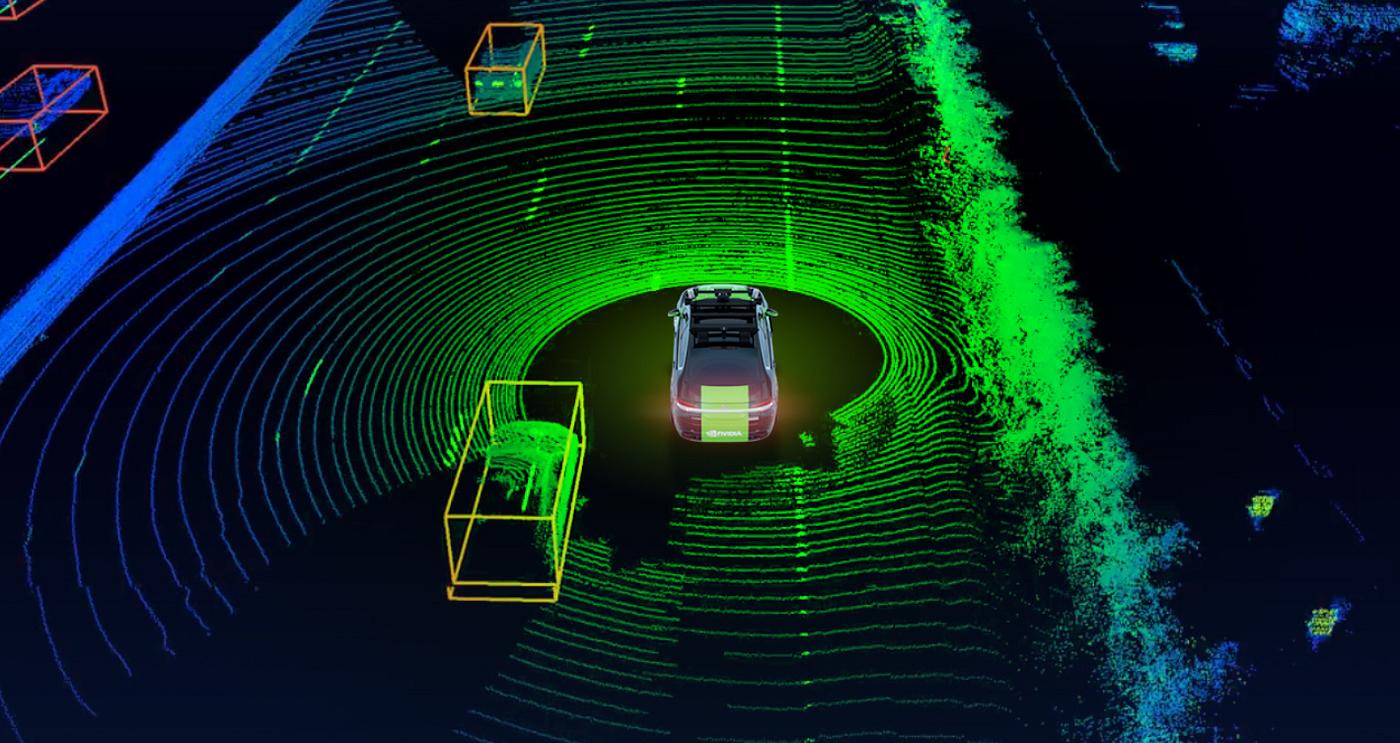
LiDAR products are available in different configurations, technologies, and performance levels.
Even sensors with similar specifications may differ in:
- Measurement range and target reflectivity
- Horizontal and vertical field of view
- Angular resolution
- Point cloud output rate
- Scanning frequency
- Interface and communication protocols
- Operating temperature
- Mechanical dimensions
- Software and integration compatibility
For example, an automotive LiDAR sensor intended for ADAS development may have very different requirements from a 3D LiDAR used for AMR navigation or industrial obstacle detection.
If a buyer only requests a price without specifying the application, quantity, and required configuration, the quotation may not accurately reflect the actual project requirements.
A detailed RFQ helps suppliers recommend the appropriate product and provide more reliable pricing and delivery information.
2. What Information Should Be Included in a LiDAR RFQ?
For professional B2B procurement, we recommend including the following information.
2.1 Product Manufacturer and Model
If your engineering team has already selected a product, specify the manufacturer and exact model number.
Examples include:
- Hesai AT128
- Hesai JT128
- Hesai XT32
- RoboSense Helios
- RoboSense B-Pearl
- Livox MID-360S
- Seyond Robin W
Always confirm the exact product version and configuration.
If you are still evaluating different products, provide your technical requirements and application scenario instead. An experienced supplier may be able to recommend suitable alternatives.
2.2 Required Quantity
Quantity directly affects procurement pricing, stock allocation, and delivery planning.
For example:
| Procurement Scenario | Quantity |
|---|---|
| Engineering evaluation | 1–2 units |
| Prototype development | 5–10 units |
| Pilot production | 20–50 units |
| Production deployment | 100+ units |
For larger orders, it is useful to indicate whether the full quantity must be delivered at once or whether partial shipments are acceptable.
This allows suppliers to evaluate inventory and arrange deliveries more effectively.
2.3 Application and Project Requirements
Explain how the LiDAR sensor will be used.
Typical applications include:
- Autonomous driving and ADAS development
- Autonomous mobile robots (AMR)
- Automated guided vehicles (AGV)
- Industrial automation
- Robotics navigation and SLAM
- Smart transportation
- Drone mapping and surveying
- Perception and sensor fusion research
Application information helps suppliers understand the technical requirements and recommend more suitable products.
For example, a robotics integrator may prioritize close-range detection, field of view, and ROS compatibility, while an automotive engineering team may focus on detection performance, environmental requirements, integration, and product lifecycle.
2.4 Destination Country and Delivery Address
The delivery destination is essential for calculating international shipping costs and estimating delivery time.
Buyers should provide:
- Destination country
- City and postal code
- Complete delivery address, when available
- Preferred shipping method
- Required delivery deadline
For international procurement, clarify whether the quotation is based on DAP or DDP terms.
Under DAP (Delivered at Place), the seller arranges transportation to the agreed destination, while the buyer generally handles import clearance and applicable import duties and taxes.
Under DDP (Delivered Duty Paid), the seller assumes responsibility for import clearance and applicable duties and taxes, subject to the agreed contractual and legal arrangements.
These terms should be clearly stated in the quotation to prevent unexpected costs.
3. How to Compare LiDAR Supplier Quotations
Price is important, but it should not be the only purchasing criterion.
A professional procurement team should compare quotations across several dimensions.
| Evaluation Factor | What Buyers Should Check |
|---|---|
| Product specification | Exact model, version, and configuration |
| Unit price | Whether accessories and other charges are included |
| Availability | Actual stock and allocation status |
| Lead time | Dispatch schedule and estimated transit time |
| Warranty | Warranty period and applicable conditions |
| Technical support | Documentation and integration assistance |
| Product lifecycle | Availability and discontinuation risks |
| Shipping terms | DAP, DDP, or other agreed Incoterms |
| Payment terms | Deposit, advance payment, or other arrangements |
Why Is the Lowest Quotation Not Always the Best Choice?
A quotation with a lower unit price may not represent the lowest overall procurement cost.
For example, a supplier may offer an attractive price but have limited stock or an uncertain replenishment schedule.
For projects with strict delivery deadlines, delayed components can affect integration testing, pilot production, or the overall project schedule.
Buyers should therefore evaluate the total procurement cost, including:
- Product price
- International transportation
- Import duties and taxes
- Customs clearance
- Potential delivery delays
- Technical support requirements
A reliable procurement decision should balance price, delivery reliability, product suitability, and supplier responsiveness.
4. Why Stock Availability and Lead Time Matter
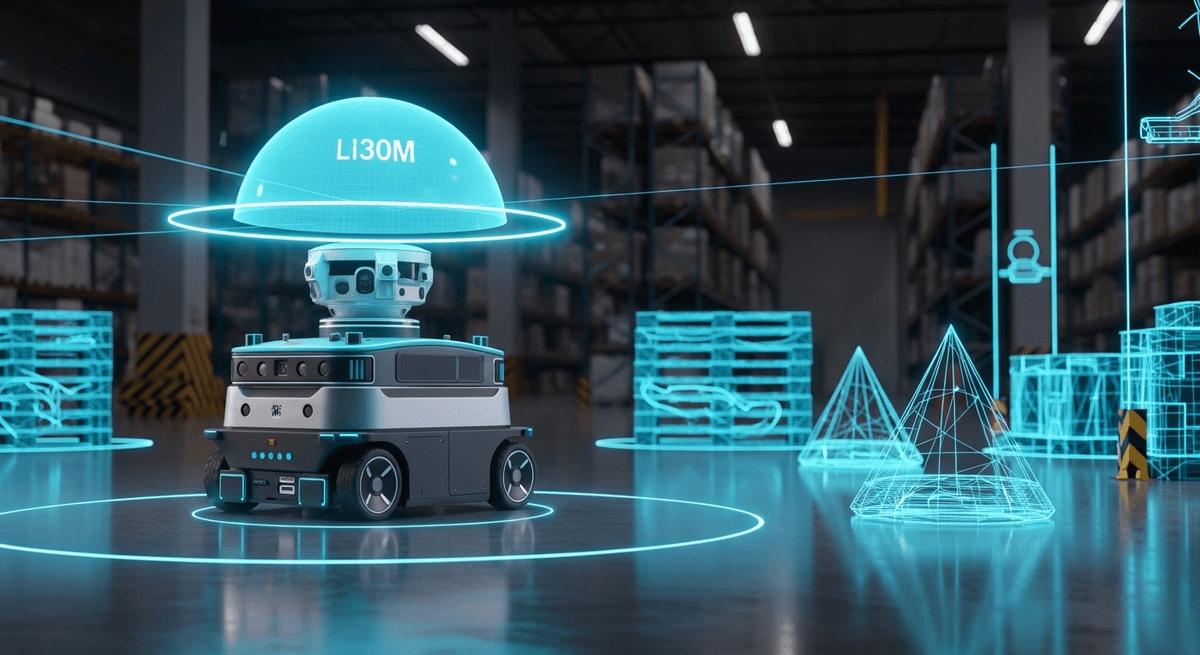
LiDAR supply planning is particularly important for companies purchasing sensors for automotive development, robotics production, and industrial deployment.
Some models may be available from existing inventory, while others require factory replenishment or scheduled production.
Before placing an order, buyers should confirm:
Current inventory
Ask whether the quoted quantity is physically available and whether stock can be allocated to the project.
Replenishment lead time
If the full quantity is unavailable, request an estimated replenishment schedule.
Partial delivery options
For urgent projects, staged deliveries may help engineering teams begin testing while the remaining quantity is being prepared.
Product lifecycle
Confirm whether the model is currently in production and whether there are any announced changes or replacement models.
For large-volume procurement, it is advisable to discuss the delivery schedule before issuing the purchase order.
5. Technical Documentation Buyers Should Request
Before purchasing LiDAR sensors for professional applications, engineering and procurement teams should review the relevant technical documentation.
Depending on the product and project requirements, useful documents include:
- Product datasheets
- User manuals
- Mechanical drawings
- Interface specifications
- Communication protocol documentation
- SDK and software resources
- ROS or ROS 2 integration information, where applicable
- Product compliance documentation
- Warranty information
For projects involving multiple sensors or integration with an existing perception system, documentation availability can significantly influence the development schedule.
Buyers should also confirm that the documentation corresponds to the exact product version being quoted.
6. Working with a Multi-Brand LiDAR Supply Partner
Many engineering companies evaluate products from multiple manufacturers before making a purchasing decision.
Depending on the application, a project may require sensors from Hesai, RoboSense, Seyond, Livox, or other specialized manufacturers.
Working with a multi-brand supply partner can simplify this process.
Potential advantages include:
Product selection assistance
Compare different models according to application requirements rather than focusing on a single manufacturer’s product range.
Consolidated procurement
Coordinate multiple product models through one commercial contact when supply arrangements allow.
Procurement coordination
Manage quotations, stock checks, delivery schedules, and shipping arrangements across different products.
Technical communication
Obtain product documentation and technical assistance to support engineering evaluation and integration.
For companies managing several development projects simultaneously, coordinated sourcing can help reduce procurement complexity.
7. Common Mistakes to Avoid When Requesting LiDAR Quotations
To make the RFQ process more efficient, buyers should avoid several common mistakes.
Mistake 1: Requesting a quotation without an exact model
If the product is not yet selected, provide technical requirements instead of asking for an unspecified LiDAR price.
Mistake 2: Not specifying the required quantity
A quotation for one evaluation unit may differ significantly from a quotation for 100 production units.
Mistake 3: Ignoring shipping terms
Always clarify whether transportation, customs clearance, duties, and taxes are included.
Mistake 4: Not confirming the product version
Make sure the quotation specifies the exact model and configuration.
Mistake 5: Focusing only on unit price
Evaluate stock availability, delivery schedules, warranty, documentation, and technical support as well.
Mistake 6: Waiting until the last minute
For projects with fixed development or production deadlines, early supplier communication is important.
8. How LIDARSEEK Supports Professional LiDAR Procurement
LIDARSEEK provides multi-brand LiDAR sourcing and procurement support for international engineering teams, system integrators, and industrial customers.
Our product portfolio covers LiDAR solutions from manufacturers including Hesai, RoboSense, Seyond, Livox, and other specialized brands.
We support customers throughout the procurement process, including:
- Product selection and model comparison
- Project-based quotations
- Stock and lead-time confirmation
- Bulk purchasing coordination
- International shipping arrangements
- Product documentation
- Technical communication and integration support
Whether you need a single LiDAR sensor for engineering evaluation or multiple units for a larger project, we aim to make the sourcing process more straightforward.
We understand that professional buyers need more than a product price. They also need clear specifications, reliable communication, realistic delivery expectations, and responsive support.
9. Request a LiDAR Quotation for Your Project
Are you planning to purchase LiDAR sensors for an automotive, robotics, autonomous driving, or industrial automation project?
Send us your requirements and our team can help check suitable products, pricing, availability, and delivery options.
To help us prepare an accurate quotation, please include:
| RFQ Information | Details |
|---|---|
| Manufacturer / Model | Hesai, RoboSense, Seyond, Livox, etc. |
| Required Quantity | Number of units |
| Application | Automotive, AMR, AGV, robotics, etc. |
| Destination | Country and postal code |
| Required Delivery Date | Your project deadline |
| Shipping Preference | DAP, DDP, or other requirements |
If you have a BOM, product list, or technical specification document, you can also send it directly to our team.
Contact LIDARSEEK
Website: https://lidarseek.com/
Email: sales@lidarseek.com
Request a Quote Today
Tell us what your project needs. We will help you identify suitable LiDAR products and provide a quotation based on your requirements.Hesai XT32 LiDAR Price, Specifications and Buying Guide 2026Hesai XT32 Price: How Much Does the Hesai XT32 LiDAR Cost?
LIDARSEEK – LiDAR Sourcing, Technical Support, and Procurement Solutions for Global Engineering Projects.









