

Published: November 17, 2026
Introduction: Why Commercial Terms Matter in LiDAR Procurement
For automotive OEMs, Tier 1 suppliers, robotics manufacturers, and industrial automation companies, purchasing LiDAR sensors involves much more than selecting a suitable product and negotiating a competitive unit price.
A successful procurement transaction requires clear agreements covering product specifications, pricing, payment responsibilities, delivery schedules, warranty coverage, and international shipping arrangements.
Consider a typical procurement scenario:
An automotive supplier orders 50 LiDAR sensors for an engineering and validation program. The supplier confirms the product model and unit price, but the purchase order does not clearly define partial shipments, accessory requirements, import duties, or warranty procedures.
Even if the products are technically correct, these commercial uncertainties can create delays, additional costs, and unnecessary disputes.
For enterprise procurement teams, these risks should be addressed before issuing a Purchase Order (PO).
This guide explains 12 essential commercial terms that OEMs and professional purchasing departments should define when sourcing LiDAR sensors internationally.
Whether you are purchasing engineering samples, coordinating a multi-model RFQ, or planning recurring orders for mass production, understanding these terms can help improve procurement efficiency and supplier coordination.
1. Exact Product Identification and Configuration
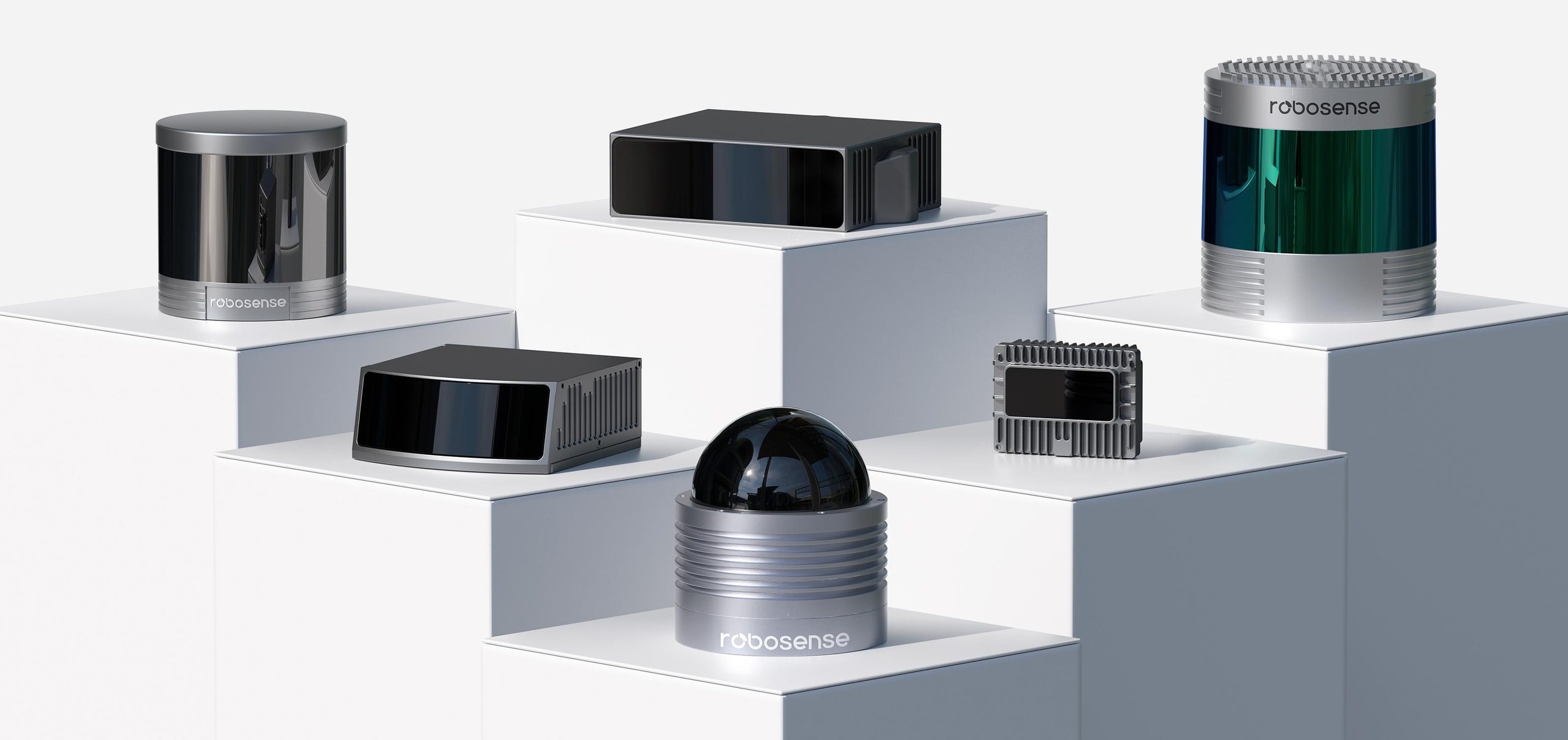
Accurate product identification is the foundation of every LiDAR purchase order.
A description such as “128-channel LiDAR” is not sufficient for a formal procurement transaction. Different models may have different detection ranges, field-of-view specifications, interfaces, firmware, and software compatibility.
A purchase order should clearly identify:
- Manufacturer and brand
- Exact product model
- Manufacturer part number, where applicable
- Hardware revision, if relevant
- Required accessories and cables
- Agreed product configuration
- Firmware or software requirements, where applicable
- Required technical documentation
For example, purchasing a Hesai AT128, a RoboSense B-Pearl, or a Livox MID-360S involves different product specifications and integration requirements.
For projects involving multiple products, each model should be listed as a separate line item.
Procurement recommendation: Ensure that the quotation, purchase order, order confirmation, and shipping documents consistently identify the agreed product model and configuration.
For OEM projects, engineering teams should approve the technical specification before procurement issues the final PO.
2. Unit Price, Currency, and Quotation Validity
Commercial pricing should be clearly defined before a purchase order is approved.
Enterprise buyers should verify:
| Pricing Item | What to Confirm |
|---|---|
| Unit price | Agreed price per unit |
| Currency | USD or another agreed currency |
| Quantity basis | Price applicable to the ordered quantity |
| Accessories | Included or separately charged |
| Discounts | Volume or project-based discounts |
| Additional charges | Packaging, freight, or other agreed costs |
| Quotation validity | Period during which the offer remains valid |
LiDAR pricing may vary depending on the product model, purchasing quantity, manufacturer pricing, sourcing arrangements, and inventory availability.
For example, a quotation for 10 units may differ from a quotation for 100 units.
Quotation Validity vs. Inventory Reservation
An important distinction is that quotation validity does not necessarily mean that inventory is reserved.
A supplier may maintain a quoted price for 30 days while product availability remains subject to confirmation.
For larger procurement programs, buyers should clarify:
- Whether the quoted inventory is physically available.
- Whether stock can be reserved after order confirmation.
- Whether the quoted price applies to the entire quantity.
- Whether volume pricing is available for scheduled purchases.
Procurement recommendation: Define price validity and inventory reservation as separate commercial conditions.
3. Payment Terms and Financial Responsibilities
Payment terms influence procurement approval, cash flow planning, and order processing.
Common international B2B payment arrangements include:
- 100% advance payment before shipment.
- Deposit followed by balance payment before shipment.
- Payment against agreed shipping documents.
- Credit terms for approved customers.
The appropriate arrangement depends on the supplier’s policies, transaction value, customer credit status, and mutual agreement.
Before issuing a PO, purchasing and finance departments should confirm:
- Payment percentage and milestones.
- Payment deadline.
- Payment currency.
- Bank transfer responsibilities.
- Applicable banking charges.
- Conditions for releasing products for shipment.
For example, if an order requires 100% T/T before shipment, this condition should be stated clearly in the quotation and order confirmation.
For larger OEM purchasing programs, payment milestones should also be aligned with the agreed delivery schedule.
Procurement recommendation: Ensure that the PO payment conditions match the accepted quotation and the supplier’s order confirmation. Any changes should be documented and approved by both parties.
4. Delivery Lead Time and Shipment Commitment
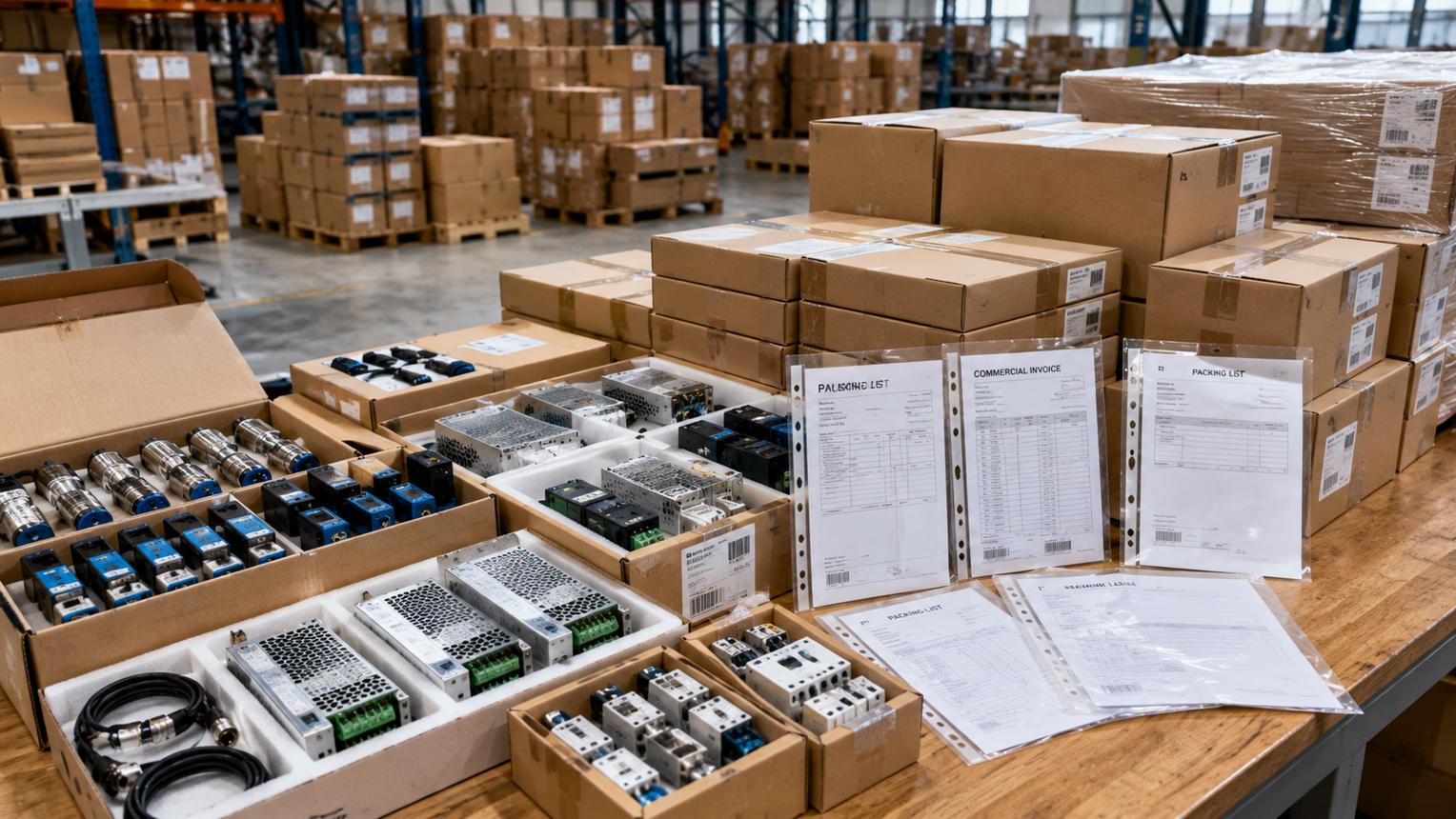
Delivery lead time is particularly important for automotive, robotics, and industrial automation projects operating under fixed development or production schedules.
A supplier’s estimated lead time should distinguish between different product availability conditions.
| Product Status | Procurement Consideration |
|---|---|
| In stock | Confirm actual available quantity |
| Limited stock | Confirm allocation and remaining quantity |
| Requires replenishment | Confirm expected sourcing schedule |
| Manufacturer production | Confirm estimated production and dispatch time |
| Special configuration | Confirm additional preparation or manufacturing time |
Buyers should also distinguish between:
- Order processing time.
- Product procurement time.
- Dispatch preparation.
- Shipment departure.
- Estimated transportation time.
- Final delivery.
These milestones are not interchangeable.
For example, a supplier may confirm dispatch within 3–7 business days, but international transportation and customs clearance require additional time.
Questions Enterprise Buyers Should Ask
- Is the full required quantity currently available?
- Can the supplier confirm the estimated dispatch date?
- Is the delivery schedule dependent on advance payment?
- Can the order be delivered in multiple batches?
- Is the estimated delivery time based on confirmed inventory?
- Will shipment tracking information be provided?
Procurement recommendation: Define whether the agreed schedule refers to dispatch or arrival at the destination. Avoid treating an estimated delivery date as a guaranteed commitment unless the contract explicitly establishes that obligation.
5. Shipping Terms and Incoterms
International shipping responsibilities should be clearly established in the purchase agreement.
Incoterms define important responsibilities between buyers and sellers, including delivery obligations, transportation arrangements, risk transfer, and export or import formalities.
Common terms include EXW, FCA, FOB, CPT, CIP, DAP, and DDP.
For international LiDAR procurement, DAP and DDP are particularly relevant when buyers require delivery to a specified destination.
DAP vs. DDP: What Should OEM Buyers Know?
| Responsibility | DAP | DDP |
|---|---|---|
| International transportation | Seller arranges | Seller arranges |
| Delivery to named destination | Seller | Seller |
| Import customs clearance | Buyer | Seller |
| Import duties and taxes | Buyer | Seller |
| Import-related formalities | Buyer | Seller |
Under DAP (Delivered at Place), the seller arranges transportation to the named destination. The buyer generally handles import customs clearance and applicable import duties and taxes.
Under DDP (Delivered Duty Paid), the seller assumes responsibility for import clearance and applicable duties and taxes, subject to its ability to legally perform these obligations in the destination country.
For enterprise buyers, the quotation should specify:
- Exact delivery destination.
- Applicable Incoterms version.
- Transportation method.
- Import clearance responsibilities.
- Import duty and tax responsibilities.
- Any excluded local charges.
A key point is that DAP does not mean all destination charges are included in the seller’s price. Buyers should understand their import obligations before approving the order.
Procurement recommendation: Always specify the Incoterms rule, named destination, and applicable Incoterms version, such as Incoterms 2020.
6. Partial Shipment and Delivery Allocation
Large LiDAR purchase orders do not always need to be delivered in one shipment.
For example, an automotive supplier may require 10 units for engineering validation, followed by another 40 units for pilot production.
A robotics manufacturer may also purchase several LiDAR models with different availability schedules.
In these situations, partial shipment arrangements can help align procurement with project requirements.
Before approving a partial shipment arrangement, buyers should clarify:
- Whether partial shipments are permitted.
- Quantity allocated to each shipment.
- Planned dispatch dates.
- Freight cost allocation.
- Documentation for each shipment.
- Whether additional transportation costs apply.
- Payment arrangements for each batch, if applicable.
Example of a Staged LiDAR Delivery Plan
| Shipment | Quantity | Purpose |
|---|---|---|
| Batch 1 | 10 units | Engineering evaluation |
| Batch 2 | 40 units | Pilot production |
| Batch 3 | 100 units | Production procurement |
The quantities above are illustrative and should be adjusted according to actual product availability and project requirements.
Procurement recommendation: Attach an agreed shipment schedule to the PO when the order involves multiple batches or different delivery milestones.
This is particularly important when products are sourced from multiple manufacturers.
7. Product Acceptance and Incoming Inspection

Product acceptance criteria should be established before shipment, particularly for high-value or large-volume LiDAR purchases.
A purchase order should specify what the buyer will inspect after receiving the products.
Typical incoming inspection requirements include:
Product Identity
- Correct manufacturer and model.
- Correct part number.
- Correct ordered quantity.
- Product identification and serial numbers, where available.
Physical Condition
- Packaging condition.
- Visible product damage.
- Missing accessories.
- Cable and connector condition.
Documentation
- Product datasheets.
- User manuals.
- Available certificates or declarations, where required.
- Agreed commercial and shipping documents.
Technical Verification
For projects requiring functional inspection, buyers should define the testing method and acceptance criteria in advance.
This may include:
- Power-on verification.
- Communication checks.
- Basic sensor operation.
- Data output verification.
- Project-specific integration tests.
Define the Acceptance Process
Enterprise procurement teams should clarify:
- Inspection period after delivery.
- Required inspection records.
- Procedure for reporting discrepancies.
- Evidence required for claims.
- Corrective action or replacement arrangements.
- Responsibility for return transportation.
A basic receiving inspection should not automatically be treated as complete technical requalification unless the contract specifically requires it.
Procurement recommendation: Separate physical receiving inspection from detailed engineering validation. This helps avoid disputes about what constitutes successful product acceptance.
8. Warranty Coverage and After-Sales Responsibilities
Warranty conditions should be confirmed before issuing a purchase order.
Buyers should not assume that all LiDAR manufacturers and suppliers offer identical warranty periods or claim procedures.
The applicable warranty may depend on the product, manufacturer policy, purchase channel, and agreed commercial arrangement.
Confirm the following:
| Warranty Item | What to Define |
|---|---|
| Warranty duration | Applicable warranty period |
| Start date | Shipment, delivery, or another agreed milestone |
| Covered defects | Conditions covered by warranty |
| Exclusions | Damage or conditions not covered |
| Claim procedure | How claims are submitted |
| Supporting evidence | Photos, serial numbers, logs, or other records |
| Repair or replacement | Applicable corrective action |
| Return shipping | Responsibility for transportation costs |
Technical Support vs. Product Warranty
Technical support and product warranty are different responsibilities.
Technical support may include:
- Product configuration assistance.
- Technical documentation.
- Interface and communication information.
- Driver and SDK information.
- Basic troubleshooting.
- Integration-related communication.
Warranty coverage concerns the agreed process for handling products that qualify for warranty claims.
For OEM projects, buyers should also identify the contact responsible for coordinating technical support and warranty-related communication.
Procurement recommendation: Request written warranty conditions rather than relying on general statements such as “standard manufacturer warranty.”
9. Product Substitution and Engineering Change Approval
Product substitution is an important issue in long-term LiDAR procurement.
A supplier may occasionally propose an alternative model because of inventory constraints, manufacturer product updates, or product discontinuation.
However, a substitute product should never be treated as automatically interchangeable.
Even products from the same manufacturer may differ in:
- Mechanical dimensions.
- Electrical interfaces.
- Detection performance.
- Point cloud output.
- Software compatibility.
- Firmware.
- Accessories.
- Installation requirements.
For automotive and industrial applications, these differences may affect existing engineering validation and system integration.
Recommended Product Substitution Process
- The supplier submits the proposed alternative model.
- Technical documentation is provided for evaluation.
- The engineering team compares the original and proposed products.
- The customer evaluates compatibility and performance.
- Authorized purchasing personnel approve or reject the alternative.
- The approved change is documented before shipment.
For example, when a previously selected LiDAR model is discontinued and an updated model becomes available, the buyer should verify compatibility rather than assuming that the newer model is a direct replacement.
Procurement recommendation: Include a written requirement that no product substitution or configuration change can be made without the buyer’s prior approval.
10. Order Cancellation, Modification, and Rescheduling
OEM projects may change because of engineering delays, revised forecasts, budget adjustments, or customer requirements.
These changes can affect previously confirmed purchase orders.
Before placing an order, buyers and suppliers should clarify:
- Can an order be modified after confirmation?
- Can the delivery schedule be changed?
- What happens if products have already been procured?
- Are customized configurations subject to cancellation restrictions?
- Who bears costs associated with an approved cancellation?
- Can part of an order be cancelled?
- What happens if a manufacturer changes product availability?
For standard inventory products, cancellation arrangements may differ from those applicable to products specifically sourced or configured for a customer.
For example, an order involving a special product configuration may create procurement commitments before the goods are shipped.
Procurement recommendation: Define cancellation, rescheduling, and modification conditions in writing, including any applicable costs and approval requirements.
11. Customs, Export Documentation, and Regulatory Responsibilities
International LiDAR procurement may involve export procedures, import customs clearance, and country-specific compliance requirements.
Documentation requirements vary according to the product, destination, transaction structure, and applicable regulations.
Depending on the transaction, buyers may require:
- Commercial invoice.
- Packing list.
- Air waybill or bill of lading.
- Product description.
- HS classification information.
- Country-of-origin information, where required.
- Applicable certificates or declarations.
- Other destination-specific customs documentation.
Procurement teams should coordinate with their customs brokers and internal compliance departments before shipment.
Important Documentation Considerations
A product datasheet is not necessarily a regulatory compliance certificate.
Similarly, a supplier should not promise certificates, declarations, or export documents that have not been issued by the relevant manufacturer or authorized party.
For international shipments, buyers should also confirm:
- Correct buyer and consignee information.
- Accurate product descriptions.
- Agreed shipping terms.
- Applicable import requirements.
- Responsibility for customs clearance.
- Any destination-specific documentation requirements.
Procurement recommendation: Confirm documentation requirements before shipment rather than waiting until the goods arrive at the destination country.
12. Purchase Order Confirmation and Document Consistency
Before an order is processed, both parties should verify that the quotation, purchase order, and order confirmation are aligned.
A professional purchasing transaction should maintain consistency across all relevant commercial documents.
| PO Information | What to Verify |
|---|---|
| Buyer and seller | Correct legal entity information |
| Product | Exact model and configuration |
| Quantity | Quantity for each line item |
| Unit price | Agreed currency and price |
| Total value | Correct calculation |
| Payment terms | Approved payment conditions |
| Delivery terms | Incoterms and named destination |
| Lead time | Agreed dispatch or delivery schedule |
| Warranty | Applicable warranty conditions |
| Documentation | Required technical and commercial documents |
| Special conditions | Partial shipments, inspection, and other agreed requirements |
The supplier should issue an order confirmation identifying any differences or conditions requiring further agreement.
Where the quotation and PO contain conflicting conditions, the parties should resolve the discrepancy in writing before proceeding.
For larger procurement transactions, the parties should also establish which document takes precedence if contractual terms conflict, together with applicable governing law and dispute resolution arrangements.
Procurement recommendation: Do not rely solely on an informal email confirmation when the order involves significant purchasing value or long-term supply commitments.
A Practical LiDAR Purchase Order Checklist for Enterprise Buyers
Before issuing a LiDAR purchase order, procurement teams can use the following checklist.
| Procurement Item | Verification |
|---|---|
| Exact manufacturer and model | Confirmed |
| Product part number | Confirmed |
| Product configuration | Engineering approved |
| Quantity and unit price | Confirmed |
| Currency and total amount | Confirmed |
| Quotation validity | Checked |
| Inventory availability | Confirmed |
| Payment terms | Approved |
| Lead time | Clarified |
| Shipping terms | Agreed |
| Delivery destination | Confirmed |
| Partial shipment requirements | Agreed |
| Incoming inspection | Defined |
| Warranty conditions | Reviewed |
| Product substitution | Approval process defined |
| Required documentation | Confirmed |
| Order confirmation | Received |
| Contractual document precedence | Agreed |
For larger OEM projects, this checklist can be incorporated into an internal purchasing approval workflow.
It can also be used as a supplier evaluation tool when comparing quotations from multiple LiDAR sourcing partners.
How LIDARSEEK Supports International B2B LiDAR Procurement
LIDARSEEK provides multi-brand LiDAR sourcing and intelligent perception product solutions for international business customers.
We understand that professional procurement involves more than identifying a suitable product and offering a competitive price.
Enterprise buyers may need assistance coordinating product models, quantities, technical documentation, availability, commercial terms, and international shipping requirements.
LIDARSEEK supports sourcing inquiries involving products from manufacturers and brands including Hesai, RoboSense, Seyond, Livox, and other relevant sensing technology providers, subject to model availability and sourcing confirmation.
Our procurement support includes:
1. Multi-Brand LiDAR Sourcing
Support for sourcing different LiDAR models and product categories according to project requirements.
2. RFQ and BOM-Based Quotation
Quotation coordination for individual products, multi-model RFQs, engineering samples, and volume purchasing requirements.
3. Product Information and Technical Documentation
Assistance with obtaining available product specifications, manuals, interface information, and relevant technical documentation.
4. Inventory and Delivery Coordination
Product availability checks, estimated lead-time confirmation, and international shipping arrangements.
5. Project-Based Procurement Support
Support for customers moving from initial engineering evaluation to prototype development, pilot production, and larger purchasing programs.
Our goal is to help international purchasing teams coordinate LiDAR sourcing more efficiently while maintaining clear communication about product availability, commercial conditions, and delivery responsibilities.
Need a LiDAR Quotation for Your Next OEM Procurement Project?
Whether your company requires a single LiDAR model, multiple product lines, or recurring purchases for an ongoing OEM project, LIDARSEEK welcomes your inquiry.
To help us prepare an accurate commercial proposal, please provide:
Product Information: Manufacturer, model number, and required configuration.
Quantity: Required quantity for each product model.
Application: Automotive, robotics, industrial automation, autonomous driving, or another project.
Delivery Destination: Destination country and complete delivery address.
Schedule: Required delivery date or purchasing milestones.
Commercial Requirements: Preferred Incoterms, payment conditions, and documentation requirements.
You can also share your existing RFQ, BOM, or purchase specification for review.
Our team can coordinate product sourcing, availability checks, quotation preparation, and international delivery arrangements based on your requirements.
Contact LIDARSEEK for Multi-Brand LiDAR Sourcing and Project-Based Procurement Support.
Website: https://lidarseek.com/
Email: lidarseektech@gmail.com
Frequently Asked Questions
1. What should be included in a LiDAR purchase order?
A LiDAR purchase order should include the exact manufacturer and product model, part number, configuration, quantity, unit price, payment terms, delivery schedule, Incoterms, warranty conditions, and applicable documentation requirements.
2. What payment terms are commonly used for international LiDAR purchases?
Common arrangements include advance payment, deposit and balance payment, and approved credit terms. The actual conditions depend on the supplier’s policies, transaction value, customer credit status, and mutual agreement.
3. What is the difference between DAP and DDP when purchasing LiDAR?
Under DAP, the seller arranges delivery to the named destination while the buyer generally handles import customs clearance and applicable duties and taxes. Under DDP, the seller assumes responsibility for import clearance and applicable duties and taxes, subject to its ability to perform these obligations.
4. Can a large LiDAR order be delivered in multiple shipments?
Yes. Partial shipments can be arranged subject to product availability and agreement between the buyer and seller. Shipment quantities, dispatch schedules, freight costs, and documentation requirements should be confirmed in advance.
5. What should enterprise buyers check before accepting a LiDAR shipment?
Buyers should verify the manufacturer, model, quantity, physical condition, accessories, product identification, and agreed documentation. Any additional technical inspection should follow predefined acceptance criteria.
6. Can a supplier replace an unavailable LiDAR model with another product?
An alternative product can be proposed, but it should be reviewed and approved before shipment. For engineering-critical applications, the customer’s technical team should evaluate compatibility and performance before approving a substitution.
7. How should LiDAR warranty responsibilities be defined?
The purchase agreement should specify warranty duration, coverage, exclusions, claim procedures, supporting evidence, repair or replacement arrangements, and return shipping responsibilities.
8. Can LIDARSEEK provide quotations based on an existing RFQ or BOM?
Yes. Customers can share their existing RFQ or BOM, including product models and required quantities. LIDARSEEK can review the sourcing requirements and coordinate quotations based on available products and agreed delivery conditions.
9. What should OEM buyers confirm before ordering LiDAR in bulk?
OEM buyers should confirm product specifications, available quantities, pricing, delivery schedules, payment terms, warranty conditions, technical documentation, and the supplier’s ability to coordinate the required shipments.
10. Why should commercial terms be agreed before issuing a purchase order?
Clearly defined commercial terms help prevent misunderstandings regarding product configuration, payment, delivery, customs responsibilities, product acceptance, and warranty claims. They also support smoother internal purchasing approval and supplier coordination.
Disclaimer: This article provides general commercial procurement guidance and is not a substitute for legal, tax, customs, or professional trade advice. Contract terms should be reviewed according to the applicable transaction, jurisdiction, and agreement between the parties.









