
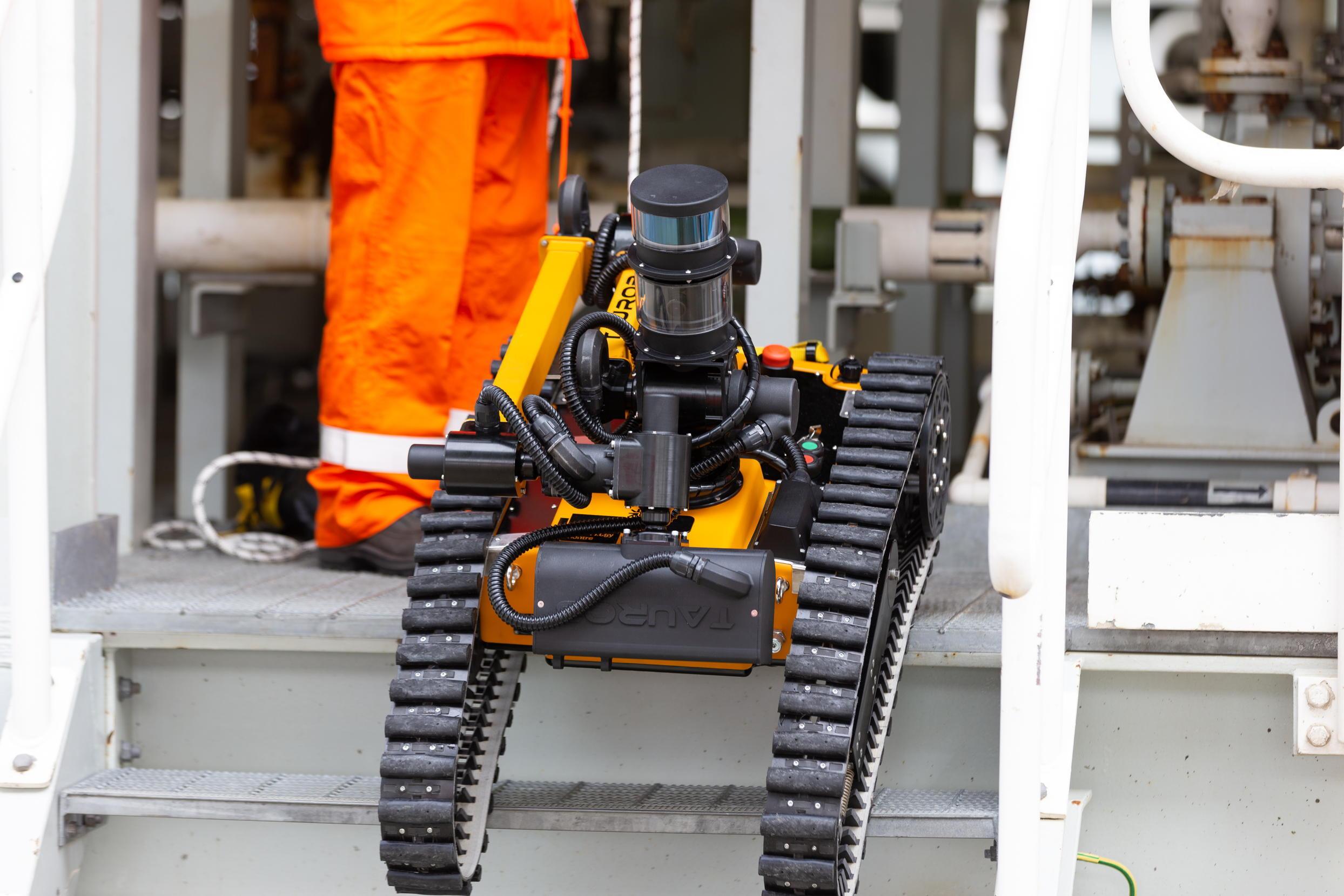
Introduction: Why Standard LiDAR Specifications Are Not Enough for Industrial Applications
Selecting an industrial LiDAR sensor is not simply a matter of comparing detection range, resolution, or price.
In real industrial environments, sensors must operate under conditions that can be significantly different from controlled laboratory settings.
Warehouse automation systems encounter dust, changing lighting conditions, vibration, and continuous operation. Outdoor autonomous vehicles may face rain, temperature fluctuations, direct sunlight, and road contamination. Industrial inspection equipment may operate near machinery, electrical equipment, and other sources of mechanical or electromagnetic interference.
A LiDAR sensor that meets its published specifications may still be unsuitable for a particular application if its environmental protection, installation requirements, optical performance, or integration characteristics have not been properly evaluated.
For automotive suppliers, robotics OEMs, AGV and AMR manufacturers, and industrial automation companies, this creates an important procurement challenge:
How can engineering and purchasing teams determine whether a LiDAR sensor is suitable for the actual operating environment, rather than simply relying on its datasheet?
This guide examines the environmental, mechanical, optical, and electrical factors that enterprise buyers should evaluate when specifying LiDAR sensors for demanding industrial applications.
1. Understand the Difference Between IP Ratings and Real Environmental Protection
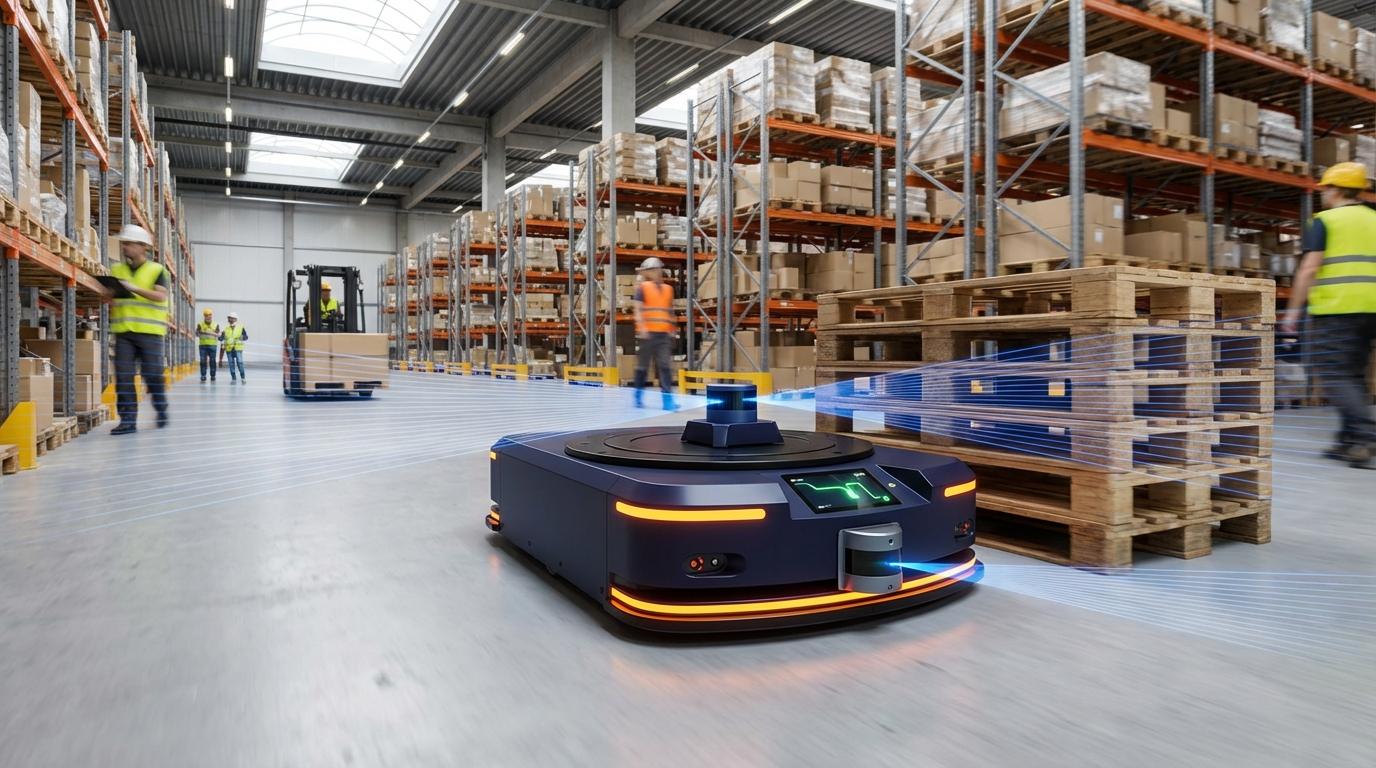
One of the first specifications buyers examine when purchasing industrial LiDAR is the IP protection rating.
Ingress Protection (IP) ratings classify the degree of protection provided by an enclosure against the ingress of solid objects and water under defined test conditions.
For example, IP67 is commonly specified for equipment intended for demanding industrial or outdoor environments.
However, an IP rating should not be interpreted as a complete guarantee of environmental suitability.
What Does IP67 Actually Mean?
IP67 consists of two digits:
- 6 – Dust protection: The enclosure is dust-tight under the applicable test conditions.
- 7 – Water protection: The enclosure withstands temporary immersion under specified conditions.
An IP67 rating does not automatically establish suitability for every outdoor or industrial environment.
For example, it should not be assumed to guarantee:
- Continuous underwater operation
- High-pressure water jet resistance
- Hot-water washdown resistance
- Resistance to every industrial chemical
- Corrosion resistance in marine environments
- Long-term operation under repeated thermal cycling
These requirements involve different environmental conditions and may require additional testing or product specifications.
What Should Procurement Teams Verify?
Before selecting an IP-rated LiDAR, buyers should request:
- The official IP protection rating.
- The applicable test standard and supporting documentation.
- Whether the rating applies to the complete sensor assembly.
- Whether connectors and cable interfaces maintain the specified protection.
- Any limitations related to installation, mounting, or maintenance.
For outdoor robotics and industrial equipment, the complete installation should be evaluated rather than considering the sensor enclosure alone.
Procurement insight: An IP67 label is useful, but it should be treated as one qualification criterion rather than proof that a sensor is suitable for every harsh environment.
2. Evaluate Operating Temperature and Thermal Stability
Temperature is another critical factor in industrial LiDAR selection.
A sensor installed inside a temperature-controlled warehouse operates under very different conditions from one mounted on an outdoor autonomous vehicle or industrial machine.
Temperature-related requirements may include:
- Minimum operating temperature
- Maximum operating temperature
- Storage temperature
- Startup performance at low temperatures
- Thermal stability during continuous operation
- Temperature-related measurement limitations
Why Temperature Range Alone Is Not Enough
A manufacturer’s specified operating temperature range indicates the conditions under which the product is designed to operate.
However, buyers should also consider how the sensor is installed and how its temperature may change during actual operation.
For example:
Outdoor autonomous systems
Sensors may experience rapid temperature changes between daytime operation, nighttime conditions, and different weather environments.
Industrial machinery
Equipment installed near motors, power electronics, or other heat-generating components may experience localized temperature increases.
Mobile robots
Repeated movement between indoor and outdoor environments may expose sensors to temperature transitions and condensation risks.
Questions to Ask the Manufacturer or Supplier
- What is the specified operating temperature range?
- Are there restrictions during startup at low temperatures?
- Is the sensor suitable for continuous operation at the specified temperature limits?
- Are there documented thermal test results?
- Are condensation or humidity limitations specified?
- Does thermal performance affect measurement accuracy or availability?
For demanding applications, temperature testing should reflect the actual operating conditions rather than relying exclusively on the nominal specification.
3. Consider Dust, Dirt, and Optical Window Contamination
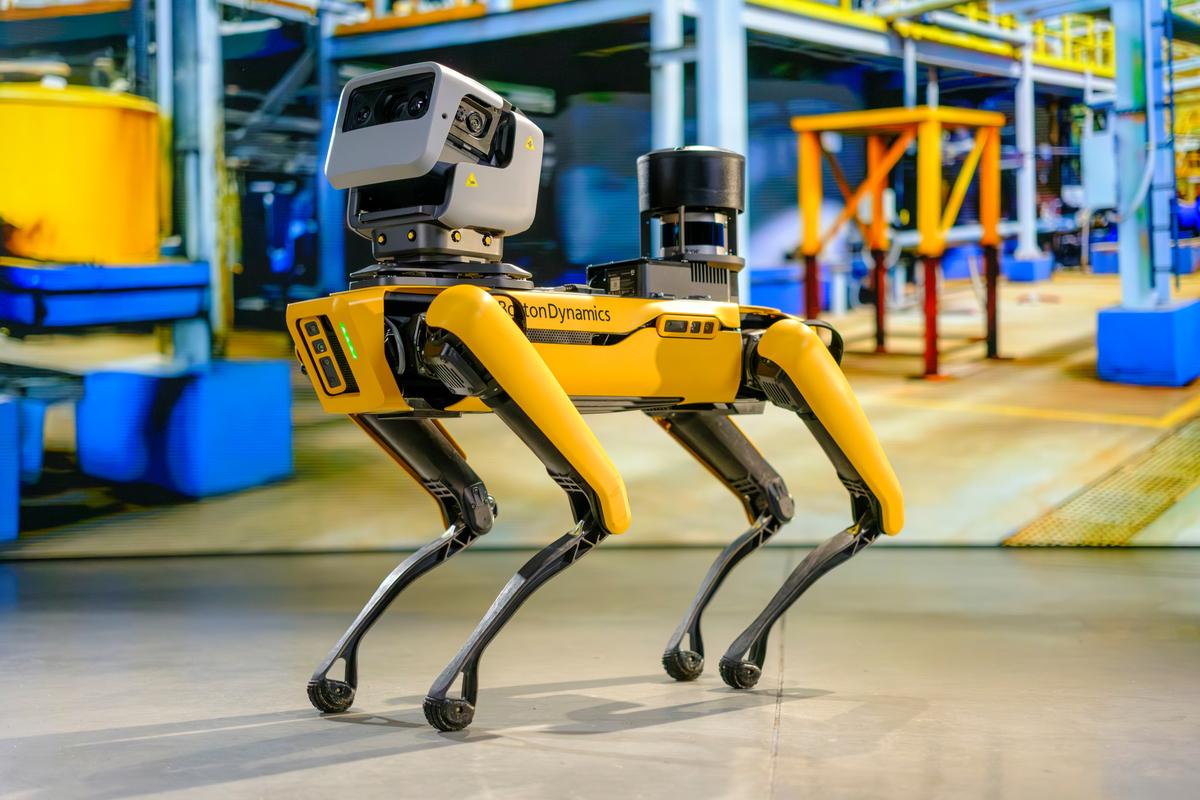
Dust and contamination are common challenges in industrial environments.
Warehouses, construction sites, mining operations, manufacturing facilities, and outdoor logistics areas may expose LiDAR sensors to airborne particles and surface contamination.
Although an enclosure may provide dust protection, the optical window remains an important consideration.
The sensor needs a suitable optical path to transmit and receive laser signals.
Contamination on the optical surface may affect the received signal and reduce measurement reliability.
Potential contaminants include:
- Industrial dust
- Mud and dirt
- Oil mist
- Water droplets
- Condensation
- Fine particles from manufacturing processes
What Should Buyers Evaluate?
Optical window design
Review the exposed optical surface, enclosure design, and installation orientation.
Contamination exposure
Determine whether the sensor will operate in environments with frequent dust accumulation, oil mist, or water spray.
Cleaning requirements
Understand whether the manufacturer provides specific cleaning instructions and maintenance recommendations.
Performance limitations
Ask whether the manufacturer documents any limitations associated with contamination, water droplets, or environmental conditions.
Practical Application Example: Warehouse AMRs
An AMR operating in a clean distribution center may experience relatively limited contamination.
However, a forklift or mobile robot operating in a dusty industrial facility may require a different protection and maintenance strategy.
The procurement decision should therefore consider the actual operating environment rather than assuming that all indoor applications have similar requirements.
4. Understand How Rain, Fog, Snow, and Ambient Conditions Affect LiDAR Performance
Environmental conditions can affect LiDAR measurement performance even when the sensor enclosure remains fully protected.
This distinction is particularly important for outdoor autonomous vehicles, mobile robots, and industrial inspection systems.
LiDAR works by transmitting laser pulses and analyzing the returned optical signals.
Rain, fog, snow, and airborne particles can introduce additional scattering, attenuation, or unwanted returns.
The extent of the impact depends on several factors, including:
- Laser wavelength
- Weather conditions
- Target distance
- Target reflectivity
- Sensor architecture
- Signal processing
- Environmental exposure
Rain
Rain droplets can introduce additional returns and reduce the strength of signals from distant targets.
The impact may vary significantly with rainfall intensity and operating conditions.
Fog
Fog contains small water droplets that can scatter and attenuate laser signals.
This can reduce the effective detection distance under certain conditions.
Snow
Snow introduces additional challenges through airborne particles, accumulation, and changes in the appearance of the surrounding environment.
Direct Sunlight
Strong ambient light may affect the signal-to-noise conditions of certain optical sensing systems.
The actual impact depends on the sensor’s optical design and signal processing capabilities.
What Should Enterprise Buyers Request?
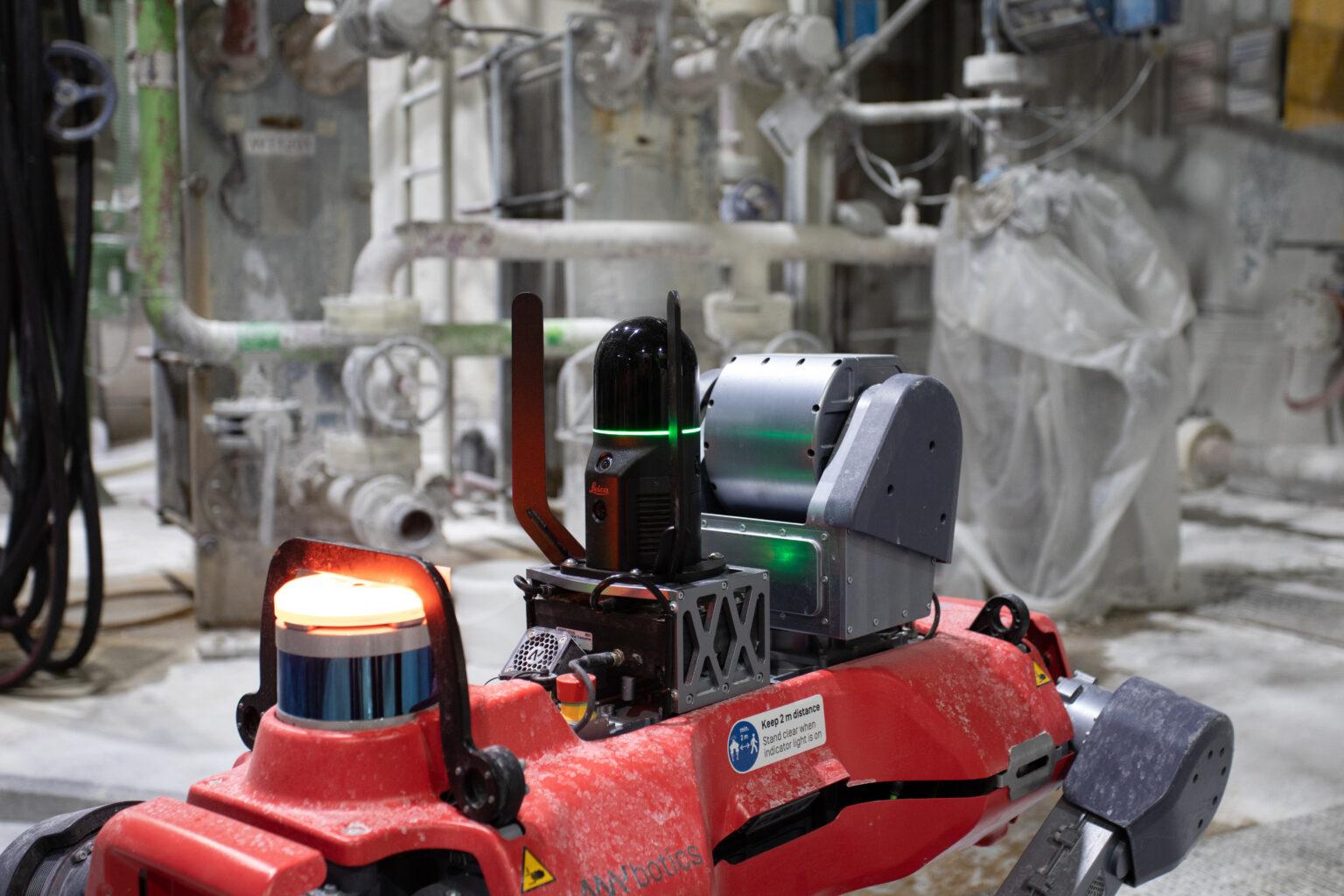
For outdoor applications, request available manufacturer information concerning:
- Environmental operating conditions
- Detection performance under specified weather conditions
- Relevant test methods
- Measurement limitations
- Recommended installation locations
- Any application-specific restrictions
Importantly, a maximum detection range measured under controlled conditions should not be interpreted as a guaranteed detection range in heavy rain, dense fog, or other adverse weather.
For critical applications, representative environmental testing should be included in the engineering validation plan.
5. Evaluate Vibration and Mechanical Shock Resistance
Mechanical vibration is a major consideration when installing LiDAR on moving platforms.
Examples include:
- Autonomous mobile robots
- Automated guided vehicles
- Autonomous forklifts
- Industrial inspection vehicles
- Construction equipment
- Automotive platforms
Continuous vibration may affect mounting stability, mechanical connections, connectors, and the alignment of the sensor relative to the vehicle.
Mechanical shock may also occur when equipment travels over uneven surfaces or encounters sudden impacts.
Important Mechanical Specifications
Procurement and engineering teams should review:
| Parameter | Why It Matters |
|---|---|
| Operating Vibration | Indicates applicable vibration operating conditions |
| Mechanical Shock | Defines resistance under specified shock conditions |
| Mounting Requirements | Helps maintain installation stability |
| Connector Retention | Reduces the risk of connection problems |
| Housing Design | Influences mechanical protection |
| Installation Orientation | Affects sensor alignment and field of view |
Some manufacturers provide environmental test information based on IEC 60068 test methods or other applicable standards.
However, buyers should verify the exact test conditions, severity levels, and product configuration covered by the documentation.
A statement such as vibration-resistant is not sufficient for formal engineering approval.
Installation Is Equally Important
Even a sensor designed for vibration resistance may perform poorly if its mounting structure is insufficiently rigid.
For example, a LiDAR mounted on a flexible bracket may experience movement that affects its position relative to the vehicle coordinate system.
Engineering teams should therefore evaluate the complete mounting assembly, including:
- Mounting bracket rigidity
- Fastener specifications
- Installation torque
- Sensor orientation
- Cable routing
- Vibration isolation, where appropriate
For mobile platforms, mechanical installation should be validated under representative operating conditions.
6. Check Electrical Compatibility and Electromagnetic Interference
Industrial environments often contain motors, inverters, switching power supplies, wireless equipment, and other electronic systems.
These devices can introduce electrical noise or electromagnetic disturbances.
For LiDAR systems, electrical compatibility is important because unstable power or communication can interrupt sensor operation and data transmission.
Key Electrical Requirements
Before purchasing, confirm:
Power input
- Rated input voltage
- Permitted voltage range
- Power consumption
- Startup current requirements
- Power connector specifications
Communication interface
- Ethernet or other supported interfaces
- Connector type
- Communication speed
- Data output format
- Network configuration requirements
Electrical protection
- Reverse polarity protection, where specified
- Overvoltage protection, where specified
- Surge protection requirements
- Grounding recommendations
Electromagnetic compatibility
- Applicable EMC documentation
- Relevant immunity and emission test information
- Installation restrictions
- Cable shielding and grounding requirements
For automotive and industrial applications, EMC requirements should be defined according to the actual equipment category and customer specifications.
Do not assume that a sensor suitable for a laboratory setup will automatically perform reliably in an electrically noisy production environment.
7. Verify Optical and Mechanical Installation Requirements
A LiDAR sensor can have excellent technical specifications but still fail to deliver the expected performance if it is installed incorrectly.
Installation requirements should therefore be considered during product selection, not after the purchase order has been issued.
Field of View and Mounting Position
The sensor’s horizontal and vertical field of view determine the area it can observe.
However, the effective coverage may be reduced by:
- Vehicle body structures
- Protective covers
- Mounting brackets
- Other installed sensors
- Equipment enclosures
- Nearby structural components
Engineering teams should check whether the proposed installation position provides sufficient coverage for the intended application.
Coordinate Systems and Calibration
For multi-sensor systems, the LiDAR position and orientation may need to be calibrated relative to the vehicle or robot coordinate system.
This becomes particularly important when LiDAR data is combined with:
- Cameras
- IMUs
- GNSS
- Other LiDAR sensors
- Robot navigation systems
A small installation change may affect sensor alignment and system-level perception performance.
Cable and Connector Management
Cable routing should also be considered.
Important factors include:
- Cable length
- Connector compatibility
- Bending radius
- Mechanical protection
- Water ingress protection
- Electromagnetic interference
- Maintenance accessibility
A complete procurement specification should include the required cables, connectors, and accessories rather than quoting only the main sensor.
8. Match LiDAR Performance Requirements to the Actual Application
Not every industrial application requires the same LiDAR performance characteristics.
A sensor suitable for warehouse navigation may not be the best option for long-range outdoor detection or high-speed autonomous vehicle perception.
The correct selection depends on the operating environment, detection objectives, system architecture, and integration requirements.
Consider the following examples.
Application A: Warehouse AMRs and AGVs
<AsyncImage query=”industrial autonomous mobile robot AMR warehouse lidar navigation warehouse racks” aspectRatio=”16:9″ width=”100%”/>
Important considerations:
- Reliable obstacle detection
- Appropriate horizontal and vertical field of view
- Detection of pallets and low obstacles
- Stable operation in changing warehouse lighting
- Mechanical mounting and vibration
- Compatibility with the robot’s navigation software
For warehouse applications, close-range performance and field-of-view coverage may be more important than the maximum advertised detection distance.
Application B: Outdoor Autonomous Vehicles
<AsyncImage query=”outdoor autonomous industrial vehicle lidar sensor mounted front industrial logistics yard” aspectRatio=”16:9″ width=”100%”/>
Important considerations:
- Detection range under specified conditions
- Ambient light performance
- Rain and dust exposure
- Operating temperature
- Mechanical vibration
- Mounting and environmental protection
Outdoor applications require careful evaluation of both sensor protection and actual optical performance under environmental conditions.
Application C: Industrial Inspection and Monitoring
<AsyncImage query=”industrial factory inspection robot lidar sensor industrial machinery monitoring” aspectRatio=”16:9″ width=”100%”/>
Important considerations:
- Environmental protection
- Measurement accuracy
- Repeatability
- Installation stability
- Communication interfaces
- Maintenance accessibility
The most suitable product should be selected according to the measurement objective and the physical conditions of the installation site.
9. Develop an Application-Specific Environmental Validation Plan
For enterprise projects, a datasheet review should be considered the starting point of product qualification.
Engineering teams should define the environmental tests required for the intended application.
A practical validation plan may include the following areas:
| Test Category | Verification Objective |
|---|---|
| Temperature Testing | Verify operation within required temperature conditions |
| Dust Exposure | Evaluate environmental protection |
| Water Exposure | Verify applicable enclosure protection |
| Vibration Testing | Assess mechanical stability |
| Shock Testing | Evaluate resistance to specified impacts |
| EMC Testing | Verify electrical compatibility |
| Optical Performance | Evaluate detection under representative conditions |
| Installation Testing | Verify field of view and mounting stability |
| Continuous Operation | Evaluate operational stability over the required test period |
Not every project requires every test.
The validation plan should reflect the application risk, customer specifications, applicable standards, and manufacturer’s available test evidence.
For example, a warehouse robot may require different environmental testing from an outdoor autonomous forklift.
For automotive programs, customer-specific qualification requirements may apply and should be confirmed with the responsible engineering and supplier quality teams.
Important: Do not treat a manufacturer’s environmental rating as a substitute for system-level validation.
The complete installation, including mounting structures, protective covers, cabling, power supply, and software configuration, may influence actual performance.
10. What Procurement Teams Should Include in an Industrial LiDAR RFQ
One common reason for inaccurate quotations is insufficient technical information in the initial RFQ.
When purchasing industrial LiDAR for demanding environments, procurement teams should provide enough information for suppliers to identify suitable product options.
A useful RFQ should include:
Product Requirements
- Required manufacturer or preferred brand
- Product model, if already selected
- 2D or 3D LiDAR requirement
- Detection range
- Field of view
- Accuracy or resolution requirements
- Communication interface
Environmental Requirements
- Indoor or outdoor application
- Operating temperature range
- Dust exposure
- Water exposure
- Vibration conditions
- Expected weather conditions
- Applicable IP rating or other protection requirements
Integration Requirements
- Mounting dimensions
- Power input
- Connector requirements
- Cable length
- Software or SDK requirements
- Compatibility with existing equipment
Commercial Requirements
- Estimated quantity
- Required delivery schedule
- Destination country
- Required accessories
- Warranty requirements
- Applicable shipping terms
Providing this information allows suppliers to review product suitability more effectively and reduces unnecessary quotation revisions.
11. A Practical Industrial LiDAR Supplier Evaluation Checklist
Before approving a LiDAR sensor for an industrial project, procurement and engineering teams can use this checklist.
| Evaluation Area | Questions to Confirm |
|---|---|
| IP Protection | Is the rating supported by applicable documentation? |
| Temperature | Does the operating range meet the application requirements? |
| Dust Exposure | Is the enclosure suitable for the actual environment? |
| Water Exposure | Are the water protection requirements clearly defined? |
| Optical Performance | Are weather-related limitations understood? |
| Vibration | Is relevant mechanical test information available? |
| Electrical Compatibility | Are power and interface requirements suitable? |
| EMC | Is the applicable documentation available? |
| Installation | Can the required mounting position be achieved? |
| Software | Are drivers, SDKs, and interface documents available? |
| Accessories | Are cables and connectors included or separately specified? |
| Warranty | Are coverage and claim procedures clearly defined? |
| Supply | Can the required quantity and delivery schedule be supported? |
The checklist should be adapted to each application rather than applied identically to every industrial project.
For projects involving multiple sites, different environmental conditions should also be documented separately.
12. How LIDARSEEK Helps Customers Source Industrial LiDAR Solutions
Choosing a suitable industrial LiDAR requires more than comparing product specifications.
For enterprise customers, the sourcing process often involves coordinating technical requirements, product availability, commercial terms, and international delivery.
LIDARSEEK provides multi-brand LiDAR sourcing for automotive, robotics, autonomous systems, and industrial automation applications.
Our portfolio includes products from manufacturers such as Hesai, RoboSense, Seyond, Livox, and other sensing technology providers.
We support business customers with:
Application-Based Product Selection
Discuss detection range, field of view, environmental requirements, communication interfaces, and installation conditions to identify potentially suitable product options.
Multi-Brand Sourcing
Compare available LiDAR models from different manufacturers based on the project’s technical and commercial requirements.
Technical Documentation Coordination
Help customers obtain available product datasheets, manuals, interface specifications, and relevant manufacturer documentation.
Quotation and Availability Confirmation
Provide quotations based on the requested product model, quantity, destination, and delivery requirements, subject to availability confirmation.
International Procurement Support
Coordinate product sourcing, order requirements, and shipping arrangements for overseas business customers.
Our objective is to help procurement and engineering teams make more informed LiDAR purchasing decisions and simplify the sourcing process.
Conclusion: Specify LiDAR for the Environment, Not Just the Datasheet
Industrial LiDAR selection requires a complete understanding of the operating environment.
An IP rating alone cannot establish whether a sensor is suitable for a particular application. Temperature, dust, water exposure, optical contamination, vibration, electrical compatibility, and installation conditions must also be evaluated.
For OEMs, robotics manufacturers, and industrial automation companies, the most effective approach is to define environmental requirements before issuing an RFQ and verify the proposed product against the actual application.
A structured technical specification helps reduce the risk of selecting an unsuitable sensor, prevents avoidable integration problems, and supports more reliable procurement decisions.
Looking for an Industrial LiDAR for Your Application?
Whether you are developing warehouse AMRs, outdoor autonomous vehicles, industrial inspection equipment, or automated production systems, LIDARSEEK can help you review available LiDAR product options.
Send us your project requirements, preferred model, estimated quantity, and operating environment.
Our team can assist with product sourcing, technical documentation coordination, availability confirmation, and quotation preparation.
Request an Industrial LiDAR Quote
Website: https://lidarseek.com/
Email: lidarseektech@gmail.com
Tell us about your application and let us help you identify suitable LiDAR options.









