
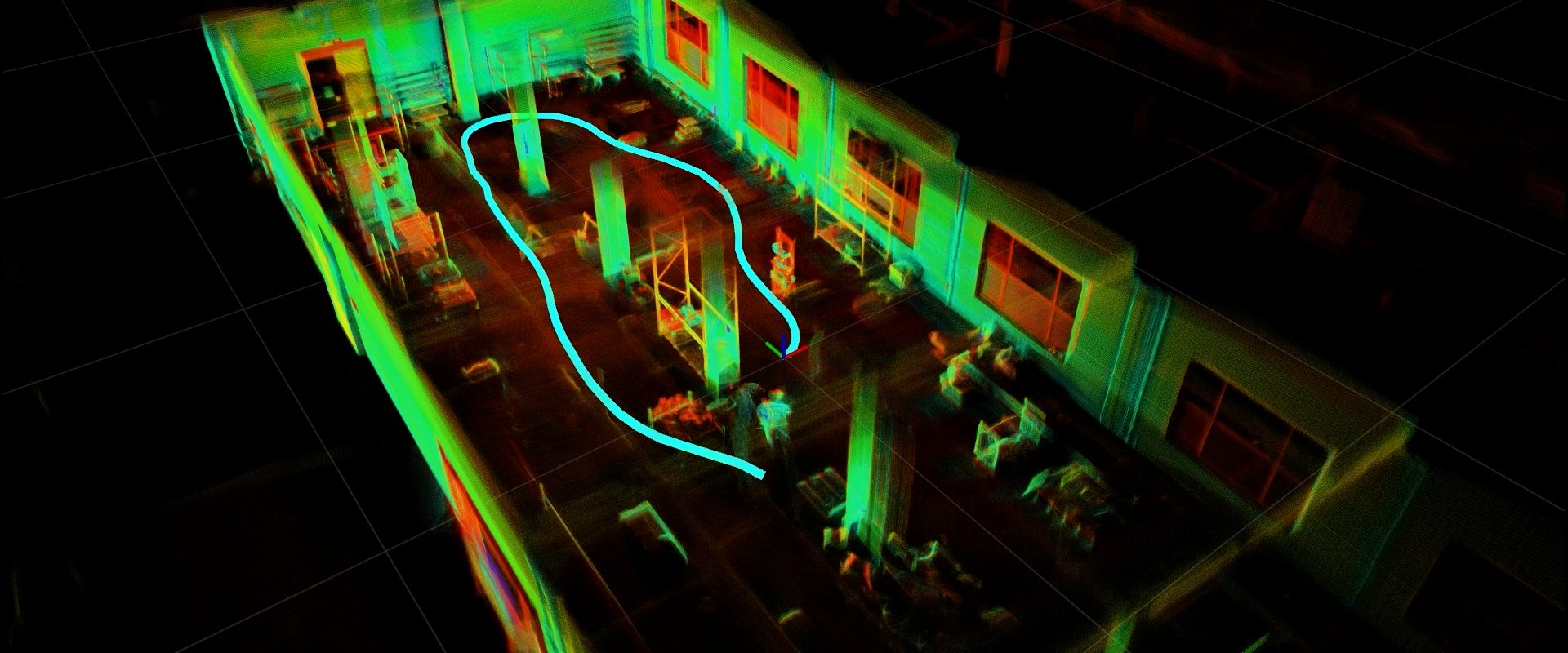
When companies begin searching for a professional 3D LiDAR sensor, their questions usually go far beyond simple specifications. They want to know how the sensor performs in real projects, how it compares to alternatives, how easy it is to integrate, and—most importantly—whether it justifies the investment.
The RoboSense RS-Helios-32 frequently appears on shortlists for robotics, mapping, and autonomous system projects because it offers a strong balance between performance and cost. But before moving forward, technical teams and procurement managers tend to ask a similar set of practical questions.
This article answers the most common pre-purchase questions about RoboSense RS-Helios-32, helping you evaluate fit, understand value, and prepare for a pricing consultation.
1. What Exactly Is the RoboSense RS-Helios-32 Designed For?
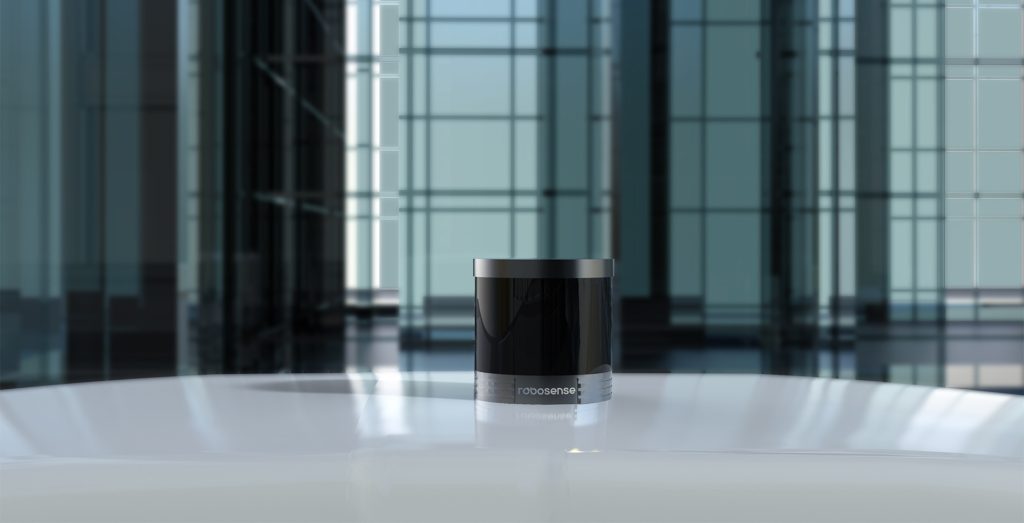
The RoboSense RS-Helios-32 is a 32-beam mechanical 3D LiDAR sensor built for applications that require full environmental awareness rather than simple distance measurement.
It is typically used in:
- Autonomous mobile robots (AMRs)
- Autonomous vehicle research platforms
- 3D mapping and surveying systems
- Industrial automation and safety monitoring
- Smart infrastructure sensing
Because it provides 360° horizontal scanning and multi-layer vertical coverage, the RS-Helios-32 delivers a true 3D understanding of surroundings, making it far more capable than 2D laser scanners in complex environments.
2. How Far Can the RS-Helios-32 Detect Objects Reliably?
One of the first questions buyers ask is about detection range, since this directly affects safety and motion planning.
The RoboSense RS-Helios-32 supports mid-to-long range detection, which is ideal for:
- Outdoor mobile robots
- Autonomous test vehicles
- Mapping systems scanning large areas
Longer detection range means systems can “see” obstacles earlier, enabling smoother path planning and reducing abrupt stops. In practical terms, this leads to:
- Improved operational efficiency
- Safer navigation in open environments
- Better performance at higher speeds
3. Is the Point Cloud Dense Enough for Accurate Mapping and Perception?
Yes — and this is one of the main strengths of the RoboSense RS-Helios-32.
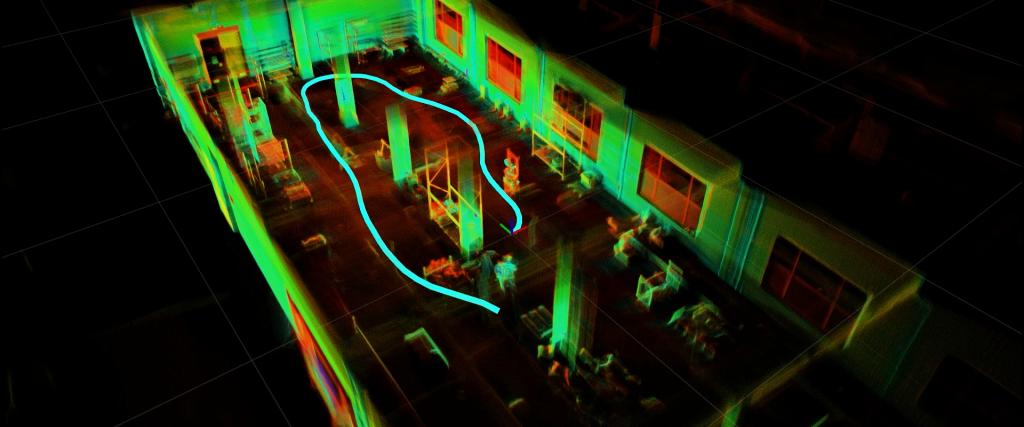
With 32 laser channels generating a high volume of data points per second, the sensor produces a dense 3D point cloud. This improves:
- Surface detail in mapping projects
- Object contour recognition
- Small obstacle detection
For SLAM and robotic perception algorithms, denser point clouds mean more reliable environment modeling and fewer perception blind spots.
4. What Makes RS-Helios-32 Better Than Lower-Beam LiDAR Sensors?
Buyers often compare the RS-Helios-32 to 16-beam or lower-resolution LiDAR models.
The key advantage lies in vertical resolution. With 32 beams instead of 16, the sensor captures more layers of environmental data, which helps detect:
- Low obstacles on the ground
- Mid-height objects like vehicles or equipment
- Overhanging obstacles
This is particularly important for robotics navigation and autonomous driving research, where missing a small or partially occluded object can lead to navigation errors.
5. Can RS-Helios-32 Be Used Indoors and Outdoors?
Absolutely. The RoboSense RS-Helios-32 LiDAR is designed to operate in a variety of environments.
Because LiDAR relies on active laser measurement rather than ambient light, it performs consistently in:
- Bright sunlight
- Low-light or dark environments
- Indoor warehouses
- Outdoor industrial sites
This makes it suitable for companies deploying LiDAR sensors for automation, robotics, and mapping in mixed lighting conditions.
6. Is the RS-Helios-32 Easy to Integrate Into Robotics and Automation Systems?
Integration is often a deciding factor in sensor selection.
The RoboSense RS-Helios-32 is designed to work with common development ecosystems. It typically supports:
- Ethernet communication
- Compatibility with ROS
- Standard point cloud data formats
For engineering teams, this reduces development time and simplifies integration into existing robotics perception stacks.
7. How Does RS-Helios-32 Perform in Dynamic or Complex Environments?
Real environments include moving people, vehicles, and machinery. The RS-Helios-32 handles dynamic scenes well due to its:
- Continuous 360° scanning
- Multi-layer vertical perception
- High point cloud output rate
This enables reliable detection of moving objects and supports tracking algorithms used in autonomous navigation systems.
8. How Many Sensors Would I Need for Full Coverage?
In many cases, one RoboSense RS-Helios-32 can provide sufficient coverage thanks to its 360° horizontal field of view.
However, the number of sensors depends on:
- Vehicle or robot size
- Required blind-spot coverage
- Mounting position
Because the RS-Helios-32 has wide coverage, some systems can reduce the total number of sensors compared to narrower-field alternatives, lowering overall hardware costs.
9. What Factors Influence the Price of RoboSense RS-Helios-32?
When buyers search for RoboSense RS-Helios-32 price, they quickly discover that LiDAR pricing depends on several factors:
- Order quantity
- Technical support requirements
- Regional distribution and logistics
- Integration services or accessories
While it may not be the cheapest sensor on the market, the RS-Helios-32 often provides strong value per performance, especially when its coverage and point cloud density reduce the need for multiple lower-end sensors.
10. What Should I Prepare Before Requesting a Quote?
To receive accurate pricing and recommendations, it helps to prepare:
- Your application scenario (robotics, mapping, vehicle, etc.)
- Required detection distance
- Indoor or outdoor use
- Expected order quantity
- Preferred integration platform
Providing this information allows suppliers to recommend the best configuration of the RoboSense RS-Helios-32 LiDAR sensor for your project.









