
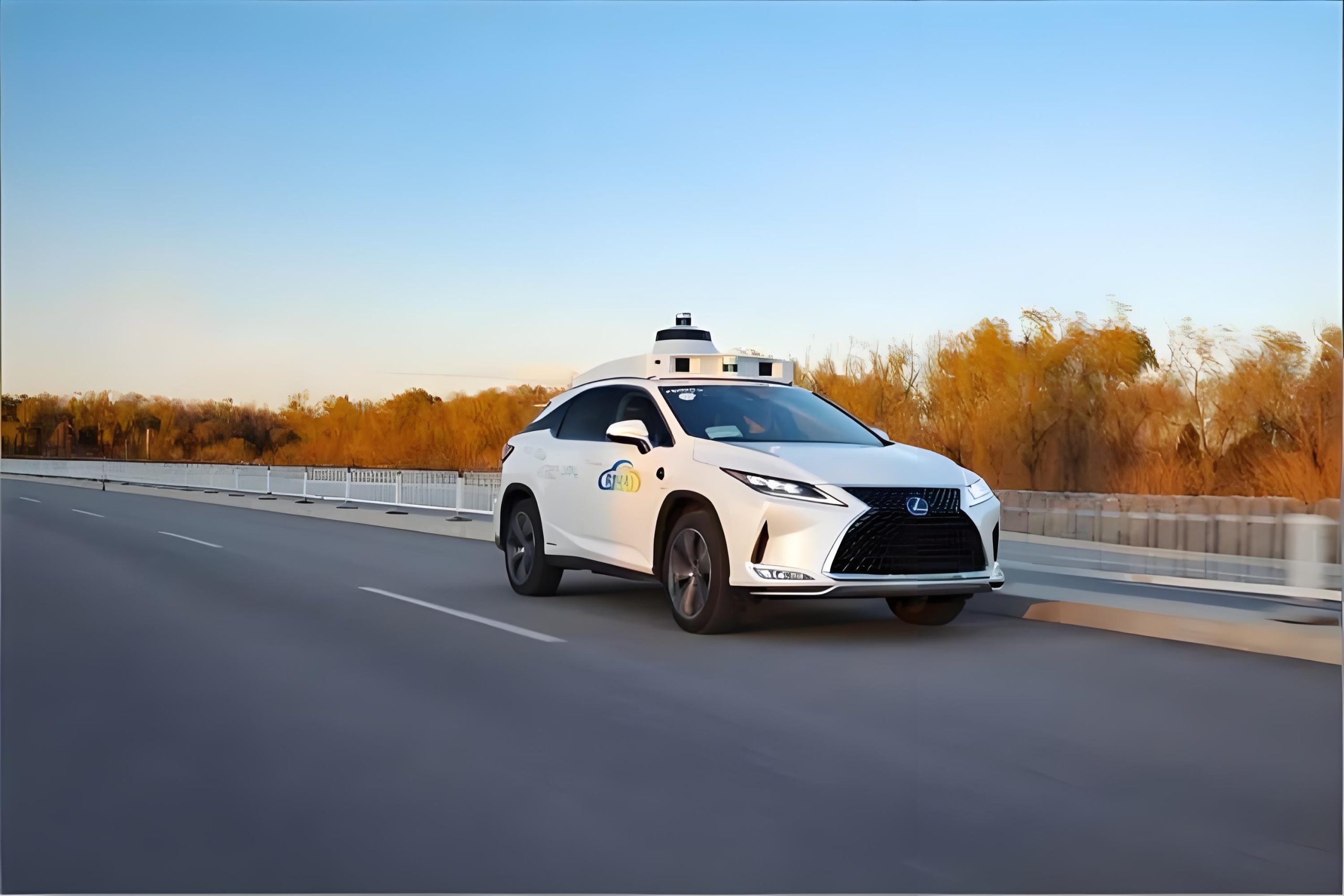
Best LiDAR for Autonomous Driving in 2026
Autonomous vehicles rely heavily on advanced perception systems, and choosing the best LiDAR for autonomous driving has become a critical decision for engineers and buyers alike.
Whether you are developing a robotaxi platform or integrating LiDAR in ADAS, selecting the right automotive LiDAR sensor directly impacts safety, performance, and cost.
In this guide, we will explain how LiDAR for autonomous driving works, compare it with other sensors, and help you understand how to choose the best solution for your project.
What Is LiDAR for Autonomous Driving?
LiDAR for autonomous driving uses laser pulses to create precise 3D representations of the surrounding environment.
Unlike cameras, a 3D LiDAR sensor provides accurate depth information, enabling vehicles to detect:
- Pedestrians
- Vehicles
- Road edges
- Obstacles
This makes LiDAR an essential component in both fully autonomous systems and ADAS (Advanced Driver Assistance Systems).
Why LiDAR Is Critical for Autonomous Vehicles
The reason why many companies invest in automotive LiDAR sensors is simple: accuracy and reliability.
Key advantages:
- High-resolution 3D mapping
- Accurate distance measurement
- Strong performance in low-light conditions
When comparing LiDAR vs camera for self driving, LiDAR consistently delivers more precise spatial data, especially in complex environments.
Key Features of the Best LiDAR for Autonomous Driving
To identify the best LiDAR for autonomous driving, you need to evaluate several technical factors:
1. Detection Range
The ideal lidar sensor range for autonomous vehicles depends on the application:
- Highway driving: 200m+
- Urban driving: 100–150m
2. Resolution and Point Cloud Density
Higher resolution means:
- Better object detection
- Improved classification accuracy
3. Field of View (FoV)
A wide FoV ensures complete environmental awareness, which is essential for safe navigation.
4. Frame Rate
A higher refresh rate improves reaction time and real-time decision-making.
5. Environmental Performance
The best automotive LiDAR sensor should perform well in:
- Rain
- Fog
- Night conditions
Real-World Applications of LiDAR in Autonomous Driving
Robotaxi Systems
Robotaxis rely on LiDAR for autonomous driving to navigate complex urban environments. A high-end 3D LiDAR sensor can detect pedestrians and moving vehicles with high precision.
Autonomous Logistics
In logistics, automotive LiDAR sensors enable:
- Route planning
- Obstacle avoidance
- Indoor navigation
ADAS Applications
Modern LiDAR in ADAS supports:
- Adaptive cruise control
- Lane detection
- Collision avoidance
LiDAR vs Camera vs Radar for Autonomous Driving
When choosing between sensors, understanding the difference between LiDAR vs camera for self driving is essential.
| Feature | LiDAR | Camera | Radar |
|---|---|---|---|
| Accuracy | High | Medium | Low |
| Depth Detection | Excellent | Poor | Limited |
| Weather Resistance | Medium | Low | High |
LiDAR remains the best choice for high-precision perception.
Cost of Automotive LiDAR Sensors
The cost of an automotive LiDAR sensor varies based on performance:
| Type | Price |
|---|---|
| Entry-level | $500–$1,000 |
| Mid-range | $1,000–$5,000 |
| High-end | $5,000+ |
Understanding cost vs performance is key when choosing the best LiDAR for autonomous driving.
How to Choose the Best LiDAR for Autonomous Driving
f you’re wondering how to choose LiDAR for autonomous driving, follow this framework:
Define Your Application
- Robotaxi → high-end LiDAR
- ADAS → mid-range LiDAR
Analyze Environment
Consider:
- Urban vs highway
- Weather conditions
Check Integration
Ensure compatibility with:
- ROS
- SDK
- Data formats
Balance Cost and Performance
Choose a solution that meets both technical and budget requirements.
Future Trends in Automotive LiDAR
The future of LiDAR for autonomous driving includes:
- Solid-state LiDAR
- Lower manufacturing costs
- AI-powered perception
These innovations will make automotive LiDAR sensors more accessible and scalable.
FAQ:
Q1: What is the best LiDAR for autonomous driving?
The best LiDAR depends on your application, but high-resolution, long-range sensors are preferred for autonomous vehicles.
Q2: How far can LiDAR detect objects?
Typical lidar sensor range for autonomous vehicles is 100–300 meters.
Q3: Is LiDAR better than cameras?
When comparing LiDAR vs camera for self driving, LiDAR provides more accurate depth data.
Q4: How to choose LiDAR for autonomous driving?
Focus on range, resolution, environment, and integration requirements.
Q5: Is LiDAR used in ADAS?
Yes, LiDAR in ADAS is increasingly used for safety and automation features.
Choosing the best LiDAR for autonomous driving requires a deep understanding of performance, cost, and application scenarios.
By evaluating different automotive LiDAR sensors and understanding how LiDAR for autonomous driving works, you can select the right solution for your needs.









