

The global robotics industry is evolving rapidly, with autonomous systems becoming increasingly common across logistics, industrial automation, healthcare, transportation, agriculture, and smart city applications. One of the most important technologies enabling this transformation is obstacle avoidance LiDAR.
Autonomous systems must continuously perceive their environment, identify obstacles, and make real-time navigation decisions. Without accurate sensing technology, robots and vehicles cannot safely operate in complex environments filled with people, machinery, walls, and moving objects.
As demand for automation increases worldwide, professional LiDAR platforms such as LidarSeek are helping businesses discover reliable LiDAR solutions for autonomous applications.
Understanding Obstacle Avoidance LiDAR Technology
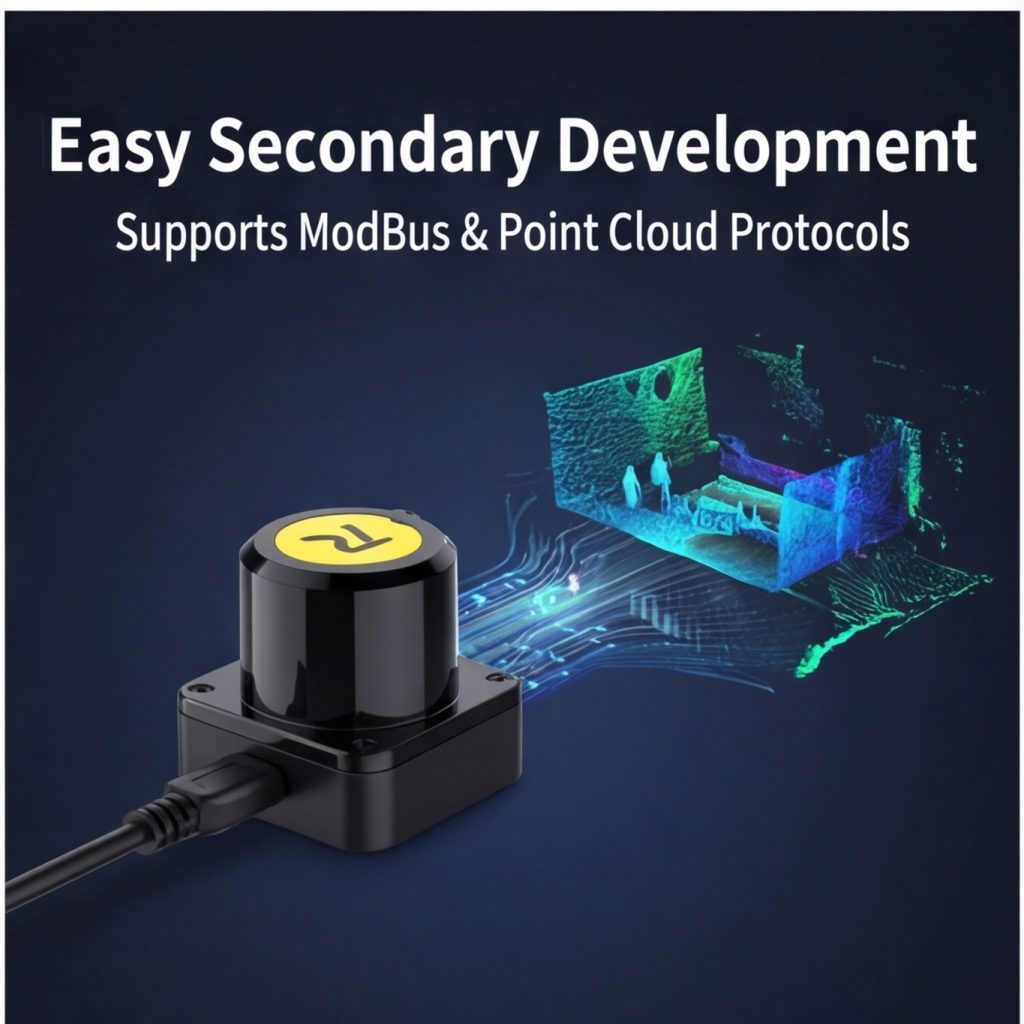
LiDAR stands for Light Detection and Ranging. It works by emitting laser beams and calculating the return time after reflection from surrounding objects.
This process allows LiDAR systems to:
- Measure object distances accurately
- Build environmental maps
- Detect obstacles instantly
- Support autonomous navigation
- Improve robotic decision-making
Obstacle avoidance LiDAR focuses specifically on helping machines identify and avoid hazards during movement.
Why Autonomous Systems Need Obstacle Avoidance
Autonomous robots operate in environments that constantly change. Human workers, moving equipment, and unexpected objects create unpredictable conditions.
Without obstacle avoidance systems, autonomous machines may experience:
- Collisions
- Navigation failures
- Operational interruptions
- Safety risks
- Equipment damage
LiDAR-based perception significantly reduces these risks.
Core Functions of KoraBeam Obstacle Avoidance LiDAR
Real-Time Obstacle Detection
The primary function of KoraBeam LiDAR is detecting nearby obstacles instantly.
The system continuously scans the environment and provides distance information to the control system, allowing machines to react immediately.
This is essential for:
- AGVs
- Delivery robots
- Autonomous forklifts
- Mobile robotics
Environmental Mapping
LiDAR systems generate environmental maps that autonomous machines use for navigation.
Mapping functions support:
- Path planning
- Route optimization
- Autonomous positioning
- Intelligent navigation
Environmental mapping is especially important in large industrial facilities.
Collision Prevention
KoraBeam LiDAR helps reduce accidents by enabling autonomous systems to detect:
- Walls
- Machinery
- People
- Vehicles
- Unexpected obstacles
The system can trigger emergency braking or route adjustments automatically.
Dynamic Object Tracking
Modern environments contain moving obstacles that require continuous monitoring.
LiDAR can track:
- Pedestrians
- Forklifts
- Mobile robots
- Delivery carts
Dynamic object tracking improves operational safety significantly.
Major Industries Using Obstacle Avoidance LiDAR
Warehouse Automation
Warehouses are among the largest adopters of autonomous systems.
LiDAR improves warehouse operations by supporting:
- AGV navigation
- Automated picking systems
- Collision-free transportation
- Intelligent inventory movement
Warehouse productivity increases substantially when autonomous systems operate safely.
Smart Manufacturing
Factories use mobile robots and autonomous systems to improve production efficiency.
KoraBeam LiDAR supports:
- Smart factory navigation
- Machine safety monitoring
- Automated material transport
- Industrial robotics
Industrial automation depends heavily on reliable sensing systems.
Healthcare Robotics
Hospitals increasingly use robots for:
- Medicine delivery
- Disinfection
- Patient assistance
Obstacle avoidance ensures safe movement in crowded hospital corridors.
Agricultural Automation
Autonomous agricultural equipment benefits from LiDAR sensing during:
- Crop monitoring
- Autonomous tractor operation
- Smart harvesting
- Field navigation
Outdoor obstacle detection is critical for agricultural robotics.
Smart City Infrastructure
LiDAR technology supports urban automation applications such as:
- Autonomous delivery systems
- Smart traffic monitoring
- Public safety systems
- Intelligent transportation
Future smart cities will depend heavily on autonomous sensing technologies.
Advantages of KoraBeam LiDAR
High Accuracy
Precise distance measurement allows robots to operate safely in narrow spaces and crowded environments.
Fast Response Time
Rapid environmental scanning enables immediate obstacle detection and quick navigation adjustments.
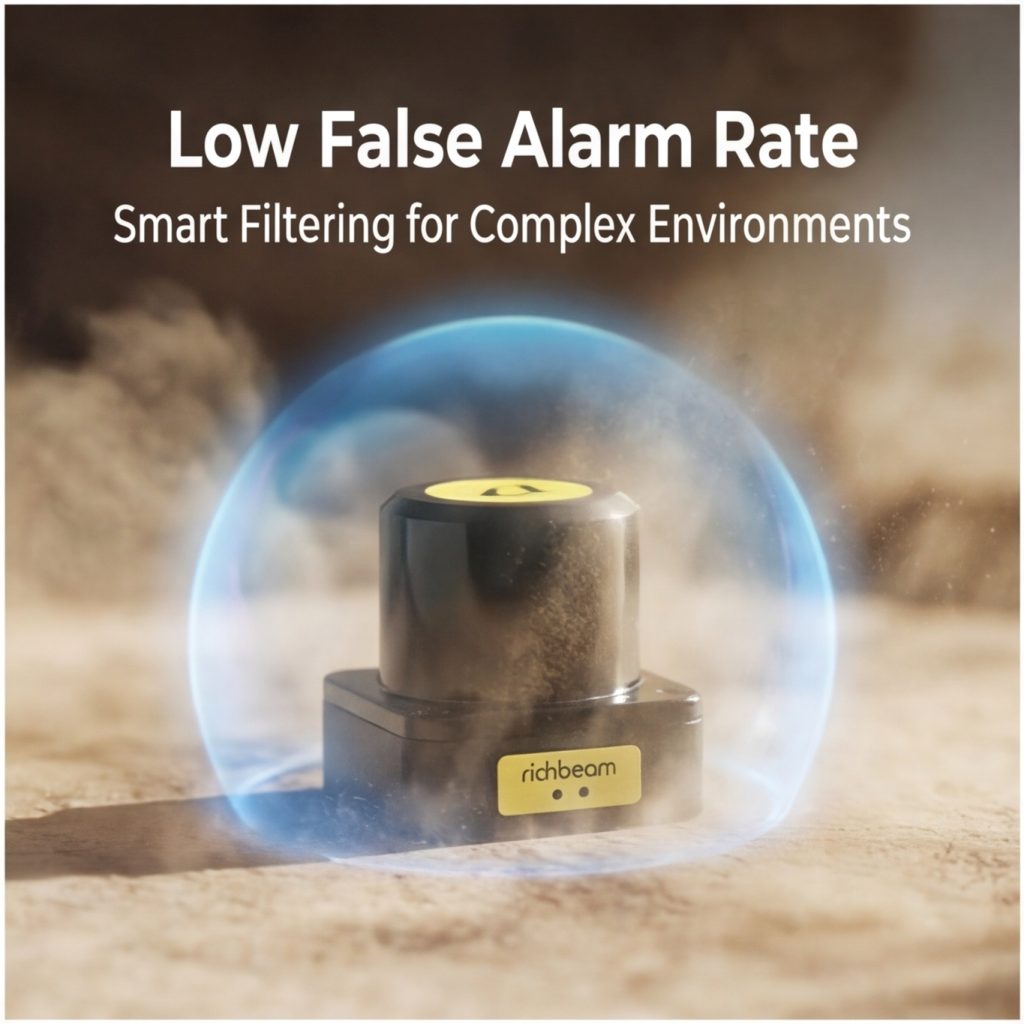
Strong Environmental Adaptability
KoraBeam performs reliably in:
- Indoor environments
- Outdoor environments
- Low-light conditions
- Dusty industrial spaces
Easy System Integration
Compact LiDAR modules simplify integration into autonomous systems.
Real Deployment Scenario: Autonomous Delivery Robot
A technology company developing autonomous delivery robots encountered several navigation challenges:
- Difficulty avoiding pedestrians
- Unstable movement in crowded areas
- Navigation errors indoors
After integrating KoraBeam obstacle avoidance LiDAR, the robots achieved:
- Improved obstacle detection
- Smoother navigation
- Safer operation near humans
- Better route planning accuracy
The deployment improved both operational efficiency and user experience.
LiDAR vs Camera-Based Navigation
Many autonomous systems rely heavily on cameras. However, camera-only systems face several limitations.
Lighting Dependency
Cameras struggle in:
- Darkness
- Glare
- Fog
- Shadows
LiDAR performs more consistently.
Depth Accuracy
LiDAR provides direct distance measurement, while cameras estimate depth through software algorithms.
Faster Environmental Perception
LiDAR delivers rapid environmental scanning suitable for real-time autonomous navigation.
Future of Obstacle Avoidance LiDAR
The future of robotics and automation will increasingly rely on intelligent perception systems.
Key trends include:
AI-Powered Navigation
Artificial intelligence combined with LiDAR improves:
- Object recognition
- Autonomous decision-making
- Predictive navigation
Fully Autonomous Warehouses
Future warehouses will operate with minimal human intervention using LiDAR-equipped robots and AGVs.
Autonomous Urban Mobility
LiDAR technology will support:
- Autonomous delivery vehicles
- Smart transportation systems
- Urban robotics
Why LiDAR Is Essential for Industry 4.0
Industry 4.0 emphasizes intelligent automation, connected systems, and autonomous operation.
LiDAR contributes by enabling:
- Real-time environmental awareness
- Safer autonomous movement
- Smart decision-making
- Reduced operational risk
Obstacle avoidance sensing has become one of the core technologies behind next-generation automation.
The Importance of Reliable LiDAR Suppliers
Selecting a reliable LiDAR provider is essential for successful deployment.
Important factors include:
- Sensor accuracy
- Stability
- Environmental adaptability
- Technical support
- Integration flexibility
The KoraBeam product series offers a practical solution for businesses seeking high-performance obstacle avoidance technology.
For more LiDAR solutions and autonomous sensing products, users can explore LidarSeek.
Conclusion
Obstacle avoidance LiDAR is transforming the future of robotics and autonomous systems. As industries adopt automation technologies, reliable environmental perception becomes increasingly important for safety, efficiency, and intelligent operation.
The KoraBeam LiDAR system from Lidarseek Lidarseek Technology delivers accurate obstacle detection, fast environmental scanning, and stable performance for a wide range of autonomous applications.
From AGVs and service robots to drones and smart transportation systems, LiDAR technology is helping build the next generation of intelligent automation.
Businesses looking to integrate advanced LiDAR solutions into their systems canLidarSeek_)
FAQ
1. What is the main purpose of obstacle avoidance LiDAR?
Its primary purpose is to help autonomous systems detect obstacles and prevent collisions during navigation.
2. Can LiDAR work outdoors?
Yes. Modern LiDAR systems are designed for both indoor and outdoor environments.
3. Why is LiDAR important for AGVs?
LiDAR allows AGVs to navigate safely, detect obstacles in real time, and improve operational efficiency.
4. Is LiDAR suitable for robotics applications?
Yes. LiDAR is widely used in robotics for mapping, navigation, and obstacle avoidance.
5. Can LiDAR replace cameras?
LiDAR and cameras often work together, but LiDAR provides more accurate distance measurement and better low-light performance.
6. What are the benefits of real-time obstacle detection?
Real-time detection improves safety, reduces accidents, and enables smoother autonomous navigation.
7. Which industries benefit most from obstacle avoidance LiDAR?
Logistics, manufacturing, healthcare, agriculture, transportation, and smart city applications all benefit significantly.
8. Where can businesses find advanced LiDAR products?
Businesses can explore LiDAR technologies and autonomous sensing products through LidarSeek.









