
LiDAR sensor prices vary widely depending on the technology, performance requirements, application, and order quantity. A compact 2D LiDAR for an indoor mobile robot has very different requirements from a long-range 3D LiDAR designed for autonomous driving or advanced perception.
For robotics manufacturers, AMR and AGV developers, and industrial system integrators, choosing a LiDAR sensor is not simply about finding the lowest unit price. The right purchasing decision must balance technical performance, integration costs, product availability, delivery schedules, and long-term supply requirements.
In this guide, we explain what affects LiDAR sensor prices, how to compare different options, and what information to prepare when requesting a quotation for your project.
1. How Much Does a LiDAR Sensor Cost?
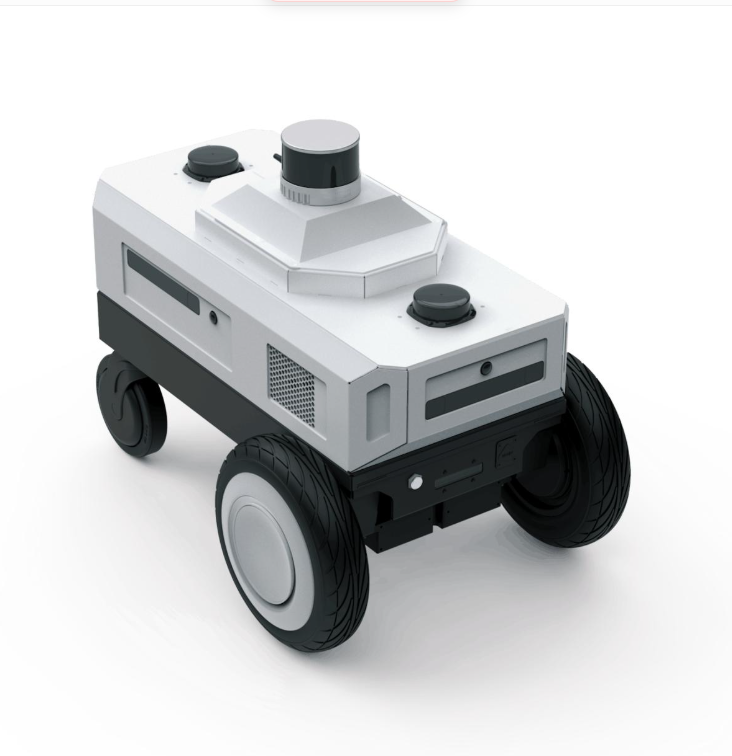
There is no single price that applies to all LiDAR sensors. Pricing depends on the product category, specifications, manufacturer, configuration, and purchasing arrangement.
The following table provides a practical framework for understanding the main categories. It is not a live price list or a guaranteed market-price range.
| LiDAR category | Typical applications | Main cost considerations |
|---|---|---|
| 2D LiDAR | Indoor AMRs, AGVs, industrial navigation | Scanning range, scan rate, interface, safety requirements |
| Compact 3D LiDAR | Mobile robots, robot dogs, compact autonomous systems | Point cloud performance, field of view, size, power consumption |
| High-performance 3D LiDAR | Advanced robotics, mapping, autonomous systems | Range, resolution, detection performance, environmental requirements |
| Automotive LiDAR | ADAS development, autonomous driving, vehicle perception | Performance specifications, integration requirements, validation needs |
| Specialized LiDAR systems | Surveying, industrial inspection, application-specific systems | Measurement requirements, accuracy, accessories, software |
A lower-cost sensor may be suitable for a straightforward indoor navigation project, while an application requiring detailed 3D perception or long-range detection may need a different solution.
The best starting point is to define your application’s minimum technical requirements before comparing prices.
2. What Factors Affect LiDAR Sensor Prices?
Understanding the main pricing factors makes it easier to compare quotations and avoid paying for specifications your project does not need.
Detection Range and Performance
Detection range is one factor that influences sensor selection and cost. However, a longer advertised range does not automatically mean better performance for every application.
Consider the actual distance at which your robot must detect obstacles, the target characteristics, the operating environment, and the performance required by your perception system.
For example, an indoor warehouse robot may have very different range requirements from an outdoor autonomous vehicle.
2D vs. 3D LiDAR
2D LiDAR measures distances across a scanning plane and is commonly used for navigation and obstacle detection.
3D LiDAR provides spatial information across multiple dimensions and may be more suitable for applications that require three-dimensional perception.
The additional capabilities of a 3D sensor may be valuable for certain projects, but not every robot needs them.
Selecting a sensor based on actual requirements can help control hardware costs without compromising essential performance.
Resolution, Field of View, and Scan Rate
Other specifications that may affect price include:
- Horizontal and vertical field of view
- Angular resolution
- Point cloud density
- Scanning or output frequency
- Measurement accuracy
- Performance under relevant environmental conditions
These specifications should be evaluated together.
For example, a sensor with a wide field of view may be useful for a robot operating in a complex environment, while another application may prioritize long-range detection or a compact installation.
Software and Integration Requirements
The total project cost includes more than the sensor itself.
Check whether the product provides the interfaces, drivers, SDKs, documentation, and software support needed by your system.
If your project uses ROS or ROS 2, NVIDIA Jetson, or a custom perception platform, verify compatibility for the exact model and software versions.
Additional engineering work, adapters, cables, or software development can increase the overall cost of deployment.
Accessories and Configuration
Before comparing quotations, confirm whether the quoted price includes the accessories required for operation.
Depending on the product, these may include:
- Power cables and communication cables
- Mounting accessories
- Power supplies or converters
- Software tools or licenses, where applicable
- Other model-specific components
Two quotations may appear different simply because they cover different configurations.
Always compare equivalent products and supply scopes.
3. Does Buying LiDAR Sensors in Bulk Reduce the Price?
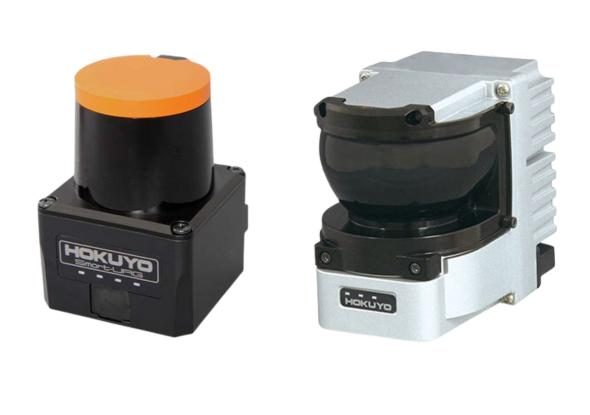
Bulk purchasing can create opportunities for project-based pricing, but the actual discount depends on the product, order quantity, availability, and supplier arrangement.
The quantity alone does not determine the final price.
A supplier may need to consider stock allocation, manufacturer lead time, delivery arrangements, and the expected schedule for future orders.
For robotics manufacturers and system integrators, it is useful to distinguish between four purchasing stages.
| Project stage | Purchasing priority |
|---|---|
| Research and development | Obtain evaluation units and verify basic compatibility |
| Prototype development | Validate the sensor in the intended system |
| Pilot deployment | Confirm performance, availability, and delivery requirements |
| Production | Establish pricing, supply planning, and delivery arrangements |
If your project will require multiple batches, share the estimated quantities and target dates for each batch.
For example, a company may initially require 10 sensors for prototype testing, followed by 50 units for pilot production and additional units after product launch.
Providing this forecast helps suppliers evaluate the overall requirement rather than quoting only for the initial order.
Tip: When requesting bulk pricing, specify whether the quantity is for one shipment or several planned deliveries. This can make the quotation more relevant to your production schedule.
4. How to Calculate the Total Cost of a LiDAR Purchase
The listed unit price is only one part of the purchasing decision.
For international B2B orders, the total landed cost may include product costs, freight, customs duties, import taxes, and other applicable charges.
A useful calculation framework is:
Total Project Cost = Product Cost + Accessories + Freight + Customs Duties + Import Taxes + Other Applicable Charges
For example, suppose your company is comparing two quotations for the same project.
| Cost component | Supplier A | Supplier B |
|---|---|---|
| Product unit price | Lower | Higher |
| Required accessories | Additional | Included |
| International freight | Quoted separately | Included in quotation |
| Import duties and taxes | Buyer to confirm | Buyer to confirm |
| Delivery schedule | To be confirmed | To be confirmed |
Supplier A may have the lower unit price, but the difference could narrow after accessories and freight are included.
This is why it is important to compare quotations using the same product configuration, quantity, delivery destination, and trade terms.
When reviewing a quotation, confirm whether the shipping price is fixed or estimated and which import-related costs remain the buyer’s responsibility.
For example, under DAP (Delivered at Place) terms, the seller arranges delivery to the named destination, while the buyer is generally responsible for import clearance and applicable import duties and taxes. Always check the agreed Incoterms and the specific quotation.
5. How to Choose the Right LiDAR Without Overspending
The most expensive sensor is not necessarily the best choice for your application.
A practical selection process begins with the requirements of the complete system.
Step 1: Define the Application
Identify whether the sensor will be used in an indoor AMR, an industrial AGV, an outdoor robot, an autonomous vehicle, or another system.
The application determines which performance characteristics matter most.
Step 2: Identify the Required Specifications
List your minimum requirements for detection range, field of view, accuracy, output rate, environmental conditions, and physical dimensions.
Distinguish between essential requirements and desirable features.
This prevents your team from paying for capabilities that do not contribute meaningfully to the project.
Step 3: Confirm Hardware and Software Compatibility
Check communication interfaces, power requirements, mounting dimensions, drivers, SDKs, and software support.
If you are using an existing robot platform, verify that the sensor can work with your current architecture.
Step 4: Compare Suitable Models
Compare products against the same set of requirements.
Depending on your project, you may wish to evaluate options from manufacturers such as Hesai, RoboSense, Livox, and Seyond.
Do not compare products using price alone. Consider their suitability, availability, integration requirements, and the complete cost of deployment.
Step 5: Request a Project-Based Quotation
Once you have identified suitable models, provide the supplier with your estimated quantity, destination, and delivery schedule.
For larger projects, request pricing based on the expected order volume and planned deliveries.
If you have not selected a specific model, describe your application and technical requirements instead.
6. Where Can You Buy LiDAR Sensors for Robotics Projects?
Companies purchasing LiDAR sensors generally consider several sourcing options.
Buying Directly from a Manufacturer
Direct purchasing may be suitable when your project requires a specific manufacturer’s products, technical coordination, or a large and clearly defined order.
However, you should still confirm minimum order requirements, lead times, available configurations, and the scope of technical support.
Working with a Multi-Brand LiDAR Supplier
A multi-brand supplier can be useful when your engineering team needs to compare different products or source sensors from multiple manufacturers.
This approach may simplify product evaluation and quotation requests, particularly when a project involves several sensor categories or development stages.
The important consideration is whether the supplier can provide accurate product information, transparent pricing, realistic availability, and appropriate technical assistance.
Buying for Prototype Testing or Production
For prototype testing, you may prioritize availability, documentation, and the ability to evaluate a small quantity.
For production, pricing is only one consideration. You should also evaluate delivery schedules, batch shipment options, warranty terms, and the ability to support the planned order volume.
Before placing a large order, confirm the product configuration, delivery schedule, and commercial terms in writing.
7. What Information Should You Provide for an Accurate LiDAR Quote?
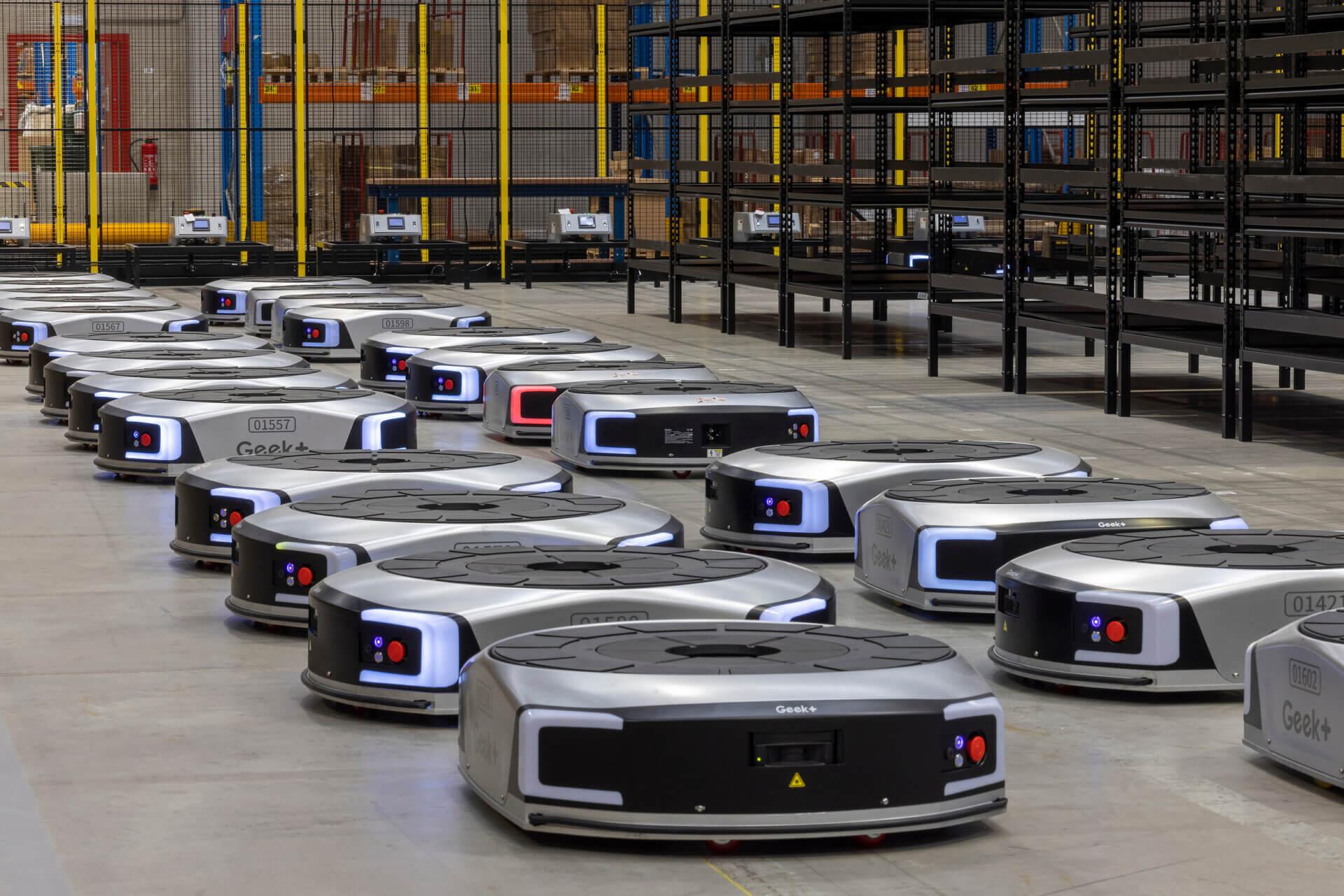
A complete quotation request helps suppliers recommend appropriate products and avoid unnecessary back-and-forth communication.
Prepare the following information where available:
| Information | Why it matters |
|---|---|
| Required model or specifications | Identifies suitable products |
| Application | Helps determine the appropriate sensor category |
| Quantity | Supports project-based pricing |
| Delivery country and destination | Helps estimate shipping and applicable delivery arrangements |
| Required delivery date | Allows stock and lead-time evaluation |
| Software and hardware platform | Helps identify compatibility requirements |
| Required accessories | Ensures the quotation covers the necessary configuration |
| Preferred trade terms | Clarifies the scope of delivery and cost responsibilities |
If your project has multiple delivery stages, include the quantity and target date for each batch.
If you are still evaluating models, a short project description is sufficient to begin a discussion.
Frequently Asked Questions
What is the cheapest type of LiDAR sensor?
There is no single answer for every project. Some compact 2D LiDAR sensors may be less expensive than higher-performance 3D systems, but prices depend on the specific model, configuration, and purchasing terms.
Can I get a discount when purchasing 10, 50, or 100 LiDAR sensors?
Project-based pricing may be available depending on the product, quantity, availability, and supplier arrangement. Provide the exact model and estimated quantity to obtain a relevant quotation.
Is the price listed on a website the final price?
Not necessarily. The listed price may exclude accessories, freight, import duties, taxes, or other applicable charges. Confirm the complete scope of supply and delivery terms before placing an order.
How long does LiDAR delivery take?
Delivery time depends on the model, current stock, order quantity, manufacturer lead time, and destination. Ask the supplier to confirm availability and the expected dispatch and delivery schedule for your specific order.
Should I buy a LiDAR sensor before completing my robot design?
For early-stage projects, it is often useful to evaluate a suitable sensor during development. Before committing to a large quantity, verify compatibility with your hardware, software, installation design, and application requirements.
Can a supplier help me choose between different LiDAR brands?
A multi-brand supplier may help you compare suitable options based on your technical requirements and budget. The final selection should be based on verified specifications, application suitability, availability, and the total project cost.
Request a LiDAR Quotation for Your Project
Looking for LiDAR sensors for an AMR, AGV, autonomous robot, industrial automation system, or perception development project?
LIDARSEEK provides access to LiDAR products from multiple manufacturers and helps customers evaluate suitable options for their applications.
Whether you need a small quantity for development or a larger volume for production, share your requirements with our team.
To help us prepare a relevant quotation, please include:
- Model or requirements: Your preferred model, or the specifications you need
- Quantity: The number of units required
- Application: Your robot platform or project type
- Destination: Country and delivery location
- Delivery schedule: Your target date or planned delivery batches
If you are unsure which model to choose, describe your application and budget. Our team can help you evaluate suitable options and clarify product availability, technical documentation, and quotation details.
Contact LIDARSEEK to discuss your project and request a LiDAR quotation.
LIDARSEEK — LiDAR, AI Sensors, and Perception Solutions for Robotics and Industry.









