
Automotive-Grade LiDAR Sensors: A Practical Buying Guide for Autonomous Driving and ADAS Projects
For companies entering theautonomous driving or ADAS market, LiDAR selection often happens earlier than it should — and with far less commercial scrutiny than it deserves.
Many projects start by asking technical questions:
- How many channels does the LiDAR have?
- What is the maximum detection range?
- What is the angular resolution?
But experienced automotive buyers eventually learn a more expensive lesson:
automotive-grade LiDAR is not just a sensor — it is a long-term operational commitment.
This is where platforms like LidarSeek offer real commercial value. By aggregating multiple automotive-grade LiDAR options across performance tiers, LidarSeek allows OEMs, Tier-1 suppliers, and mobility startups to evaluate sensors as procurement assets, not experimental hardware.
This article breaks down how to select automotive LiDAR sensors from a business and deployment perspective, using LidarSeek’s product structure as the reference framework.
Understanding Automotive LiDAR Requirements from a Business Perspective
What Makes Automotive LiDAR Different?
Automotive LiDAR systems differ from industrial or robotics LiDAR in three critical commercial dimensions:
- Regulatory exposure
- Lifecycle expectations (5–10 years)
- Volume scalability
A sensor that performs well in a prototype may become a liability when scaled to thousands of vehicles.
LidarSeek categorizes automotive LiDAR sensors based on real deployment readiness, which helps buyers avoid premature over-specification.
Mechanical vs Solid-State LiDAR: A Commercial Trade-Off
Mechanical 3D LiDAR in Automotive Projects
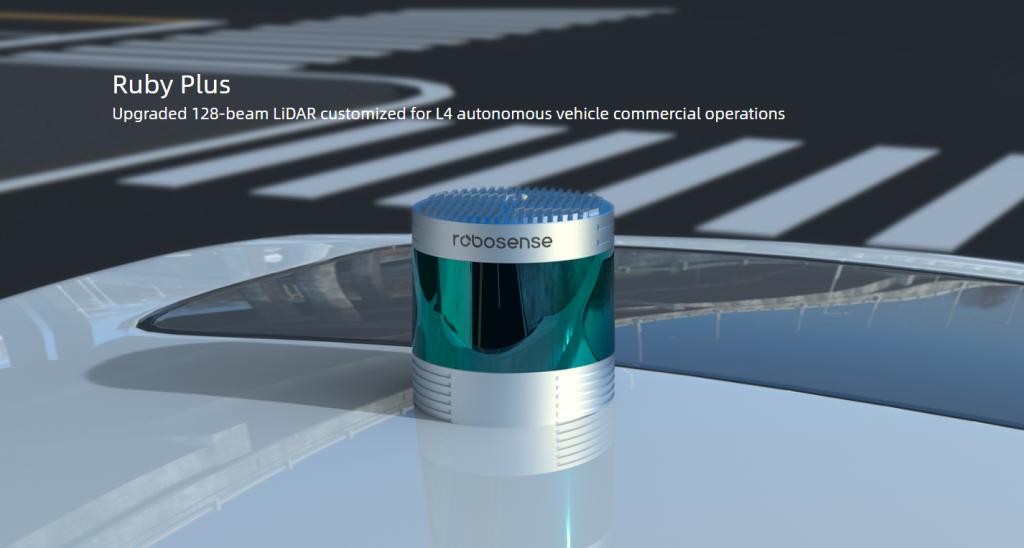
Mechanical LiDAR sensors remain widely used in:
- Robotaxi fleets
- Autonomous trucks
- Advanced perception test vehicles
Why businesses still choose mechanical LiDAR:
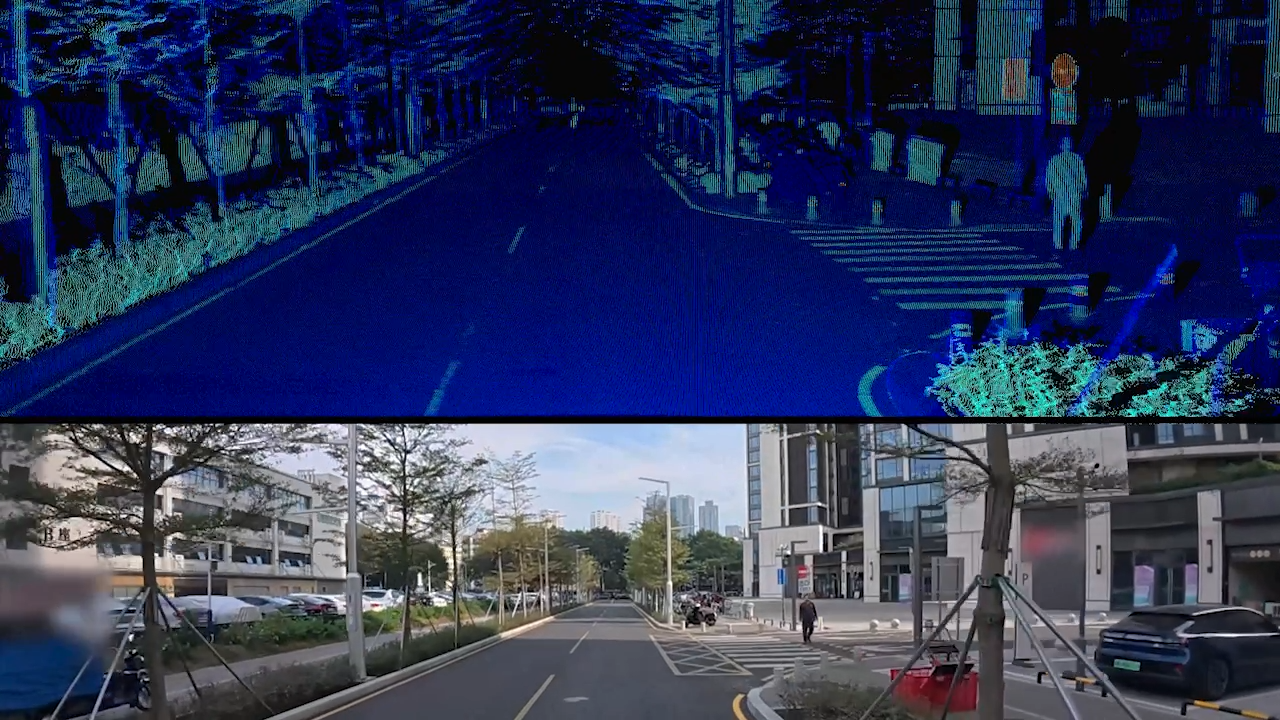
- Higher point cloud density
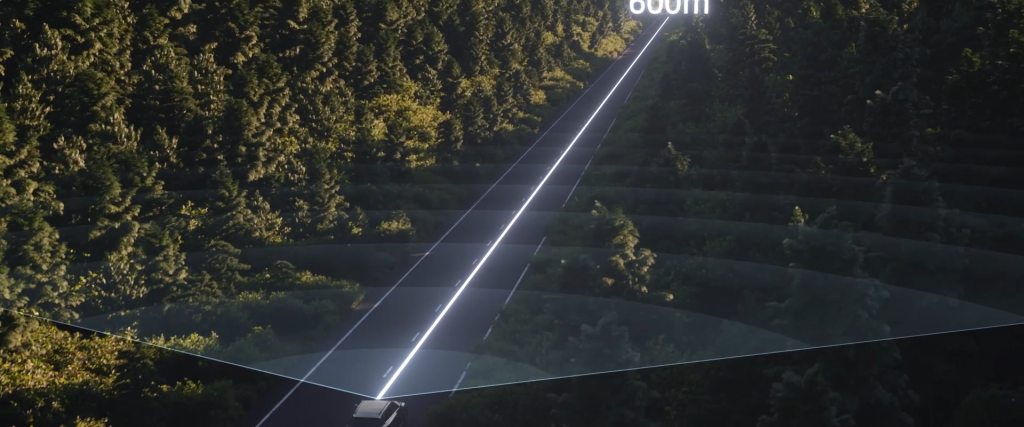
- Longer detection range
- Proven perception accuracy in complex environments
From LidarSeek’s catalog, mechanical automotive LiDAR options typically target L3–L4 autonomy development.
Commercial Considerations
Mechanical LiDAR sensors:
- Cost more per unit
- Require more robust mounting and calibration
- Deliver higher immediate perception performance
For companies prioritizing algorithm maturity and data richness, these costs are often justified.
Mid-Range Automotive LiDAR: The Overlooked Sweet Spot
Not every automotive project requires maximum range or channel count.
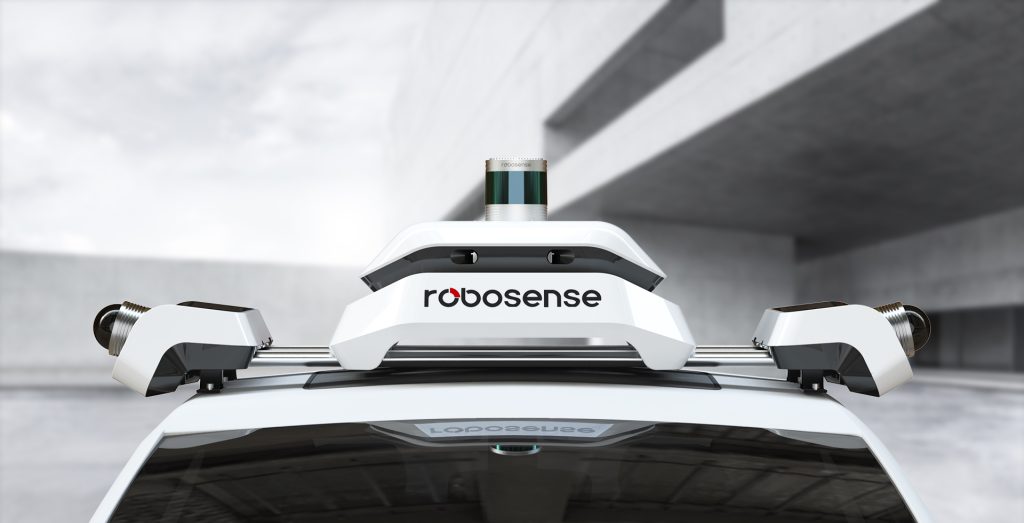
Where Mid-Range LiDAR Makes Sense
- L2+ and early L3 ADAS systems
- Low-speed autonomous shuttles
- Urban delivery vehicles
LidarSeek’s product structure allows buyers to compare mid-range automotive LiDAR sensors that offer:
- Balanced detection range
- Lower cost per unit
- Easier system integration
Procurement Advantage
From a purchasing standpoint, mid-range LiDAR reduces:
- Initial BOM cost
- Thermal and power management complexity
- Long-term maintenance risk
This category is particularly attractive for commercial vehicle fleets and pilot programs transitioning toward scale.
Point Cloud Density vs Business Utility
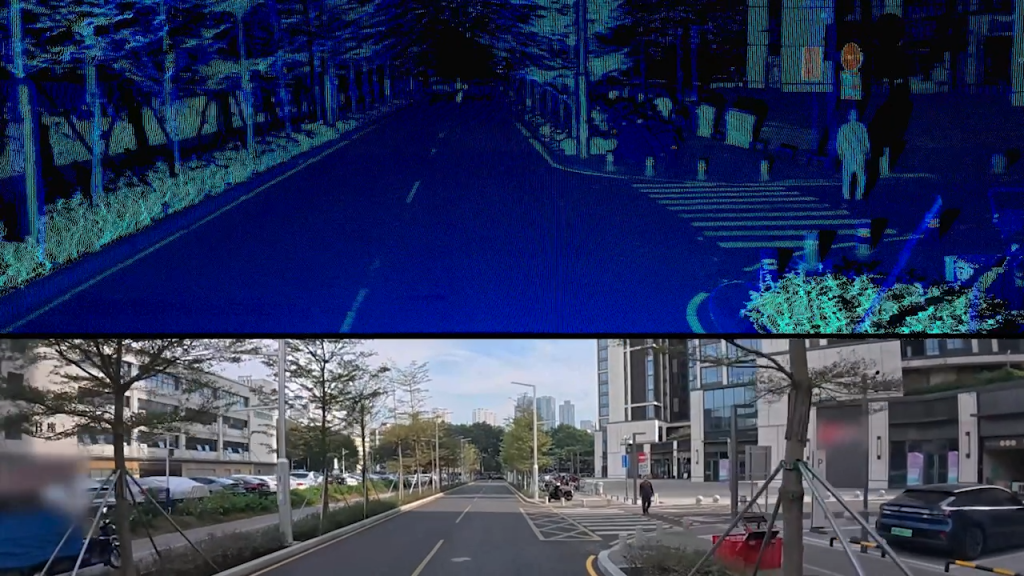
One of the most misunderstood aspects of automotive LiDAR purchasing is point cloud density.
Technical Reality
Higher channel counts generate:
- More detailed environment models
- Better object classification potential
Commercial Reality
However, higher density also means:
- Increased data bandwidth
- More expensive computing hardware
- Higher system integration cost
LidarSeek’s advantage is not selling “the highest number,” but enabling buyers to match perception capability to real operational value.
Automotive LiDAR Integration Costs (Often Ignored)
Many buyers focus on sensor pricing while underestimating integration expenses.
Hidden Cost Factors
- Mounting and vibration isolation
- Weatherproof housing
- Calibration workflows
- Software adaptation
Choosing automotive LiDAR through a platform like LidarSeek allows teams to assess integration maturity, not just sensor performance.
Scaling from Prototype to Fleet Deployment
The Scaling Trap
A common failure pattern:
- Prototype uses high-end LiDAR
- Fleet deployment becomes cost-prohibitive
- Sensor redesign delays launch
LidarSeek’s multi-tier product approach enables a step-down strategy, where perception algorithms are developed on higher-end sensors and later migrated to cost-optimized models.
This strategy significantly reduces commercial risk.
Supplier Diversity as a Risk Management Tool
Relying on a single LiDAR supplier can expose automotive projects to:
- Supply chain disruption
- Sudden pricing changes
- End-of-life announcements
LidarSeek mitigates this risk by offering supplier diversity under one procurement interface, a key advantage for long-term vehicle programs.
Frequently Asked Questions (FAQ)
Q1: Do all autonomous vehicles require high-end mechanical LiDAR?
No. Many applications can achieve sufficient perception using mid-range or solid-state LiDAR.
Q2: How does LiDAR choice affect vehicle BOM?
LiDAR impacts not only sensor cost but also computing, cooling, and system architecture.
Q3: Can LiDAR be upgraded during vehicle lifecycle?
Yes, but early modular planning is essential to avoid costly redesigns.
Q4: Is supplier diversification important?
Yes. It reduces long-term supply and pricing risk.
Q5: How does LidarSeek support automotive procurement?
By enabling side-by-side evaluation and application-based selection.









