
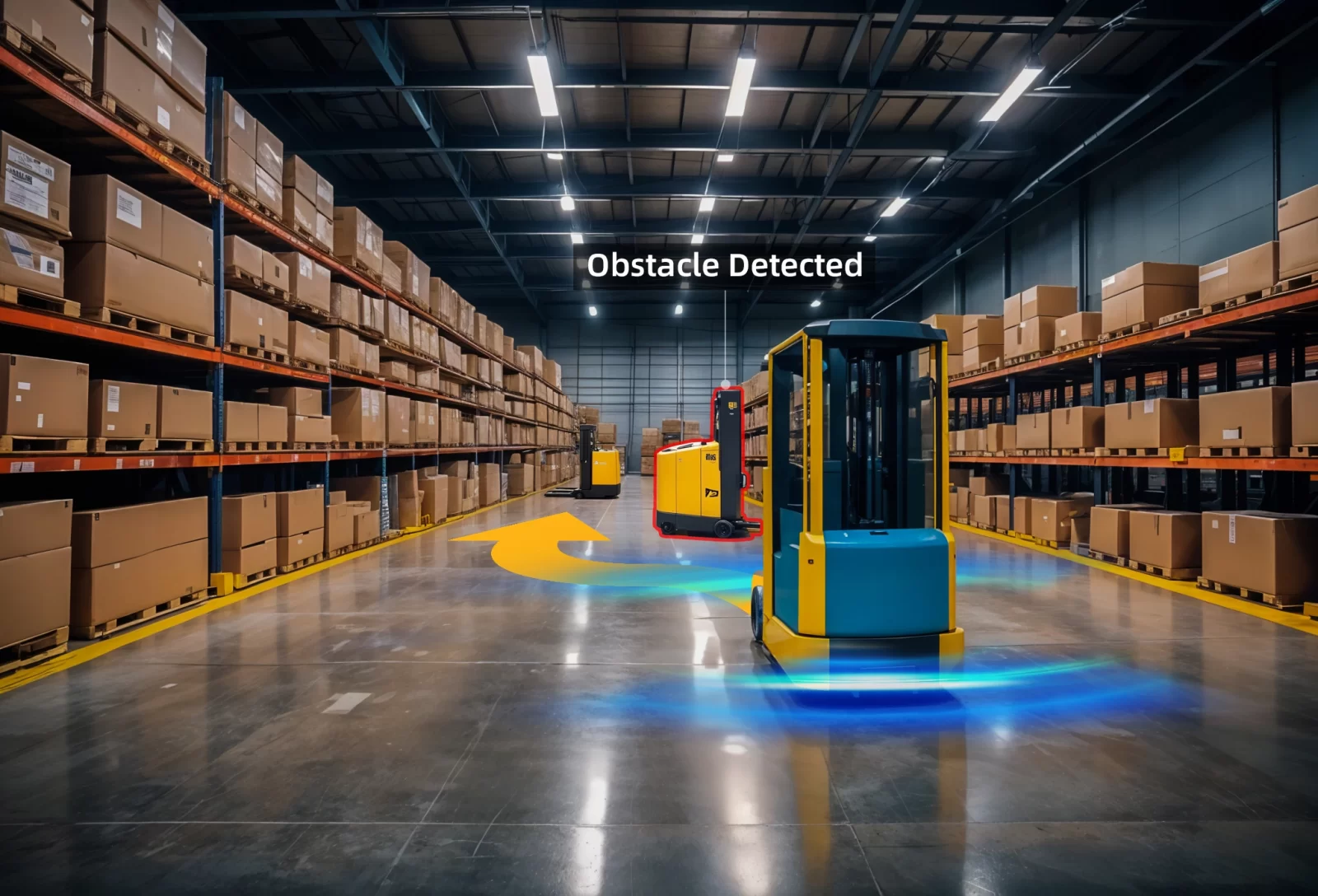
LiDAR Sensors for Robotics and Warehouse Automation: How to Reduce Cost While Scaling Performance.
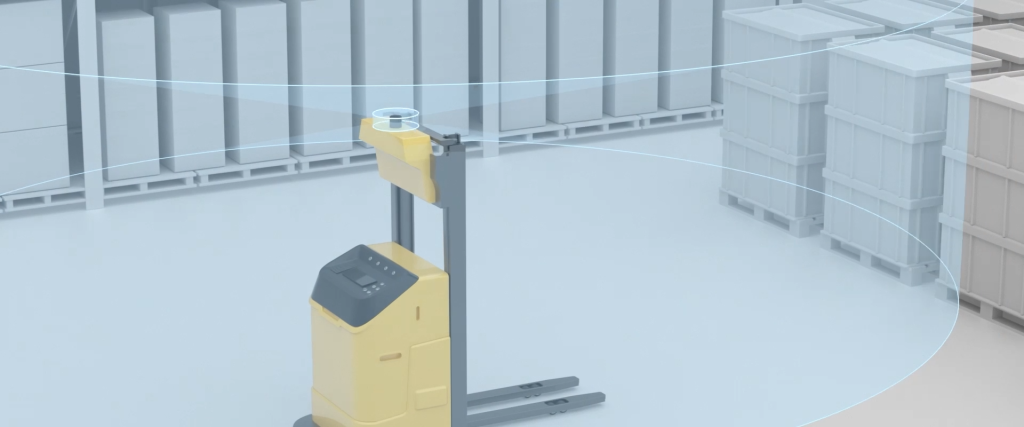
In the robotics and warehouse automation industry, LiDAR is often described as the “eyes” of the system.
But for decision-makers, LiDAR is something else entirely:
It is one of the most sensitive cost multipliers in large-scale deployments.
A robotics prototype may require only one or two LiDAR sensors. A commercial rollout, however, can involve hundreds or even thousands of units operating simultaneously across warehouses, factories, or distribution centers.
This is why LiDAR purchasing for robotics is fundamentally different from automotive or research projects. The core question is not:
“What is the most advanced LiDAR available?”
Instead, it is:
“What LiDAR configuration delivers stable navigation and obstacle detection at the lowest sustainable total cost?”
This article explains how businesses use LidarSeek’s LiDAR sensor ecosystem to make cost-efficient, scalable decisions for robotics and warehouse automation projects.
The Real Requirements of Warehouse and Service Robots
What Robotics Applications Actually Need
Despite the hype around high-resolution perception, most warehouse and service robots operate in structured or semi-structured environments, such as:
- Logistics warehouses
- Fulfillment centers
- Manufacturing floors
- Indoor service areas
In these environments, robots prioritize:
- Stable obstacle detection
- Reliable localization
- Predictable performance under varying lighting conditions
High-end automotive LiDAR specifications often exceed these needs — and inflate costs unnecessarily.
2D vs 3D LiDAR in Robotics: A Commercial Perspective
2D LiDAR Sensors: Still the Workhorse

2D LiDAR sensors remain widely used for:
- Basic obstacle avoidance
- Safety zone detection
- Low-speed navigation
Why buyers still choose 2D LiDAR:
- Lower unit cost
- Minimal data processing requirements
- Proven reliability
From LidarSeek’s product lineup, 2D LiDAR sensors are typically selected when cost predictability matters more than environmental complexity.
3D LiDAR Sensors: When Spatial Awareness Matters
3D LiDAR becomes essential when robots must:
- Detect overhanging obstacles
- Navigate dynamic environments
- Share space with humans
LidarSeek offers multiple compact 3D LiDAR sensors optimized for robotics rather than automotive use.
Commercial Advantage of Compact 3D LiDAR
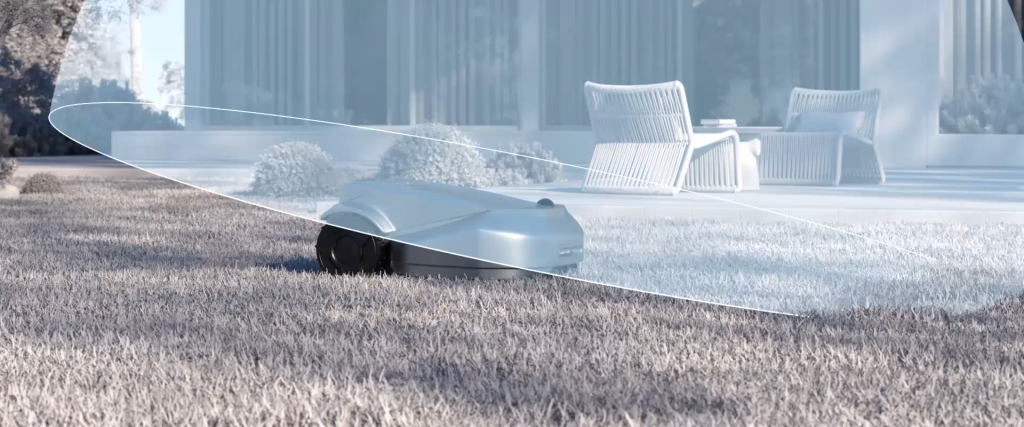
Compared to automotive LiDAR, robotics-focused 3D LiDAR typically offers:
- Smaller form factor
- Lower power consumption
- More accessible pricing
For warehouse automation, this balance often delivers the best ROI.
Blind Spot Compensation: A Hidden Cost Saver
One overlooked robotics challenge is blind spot coverage.
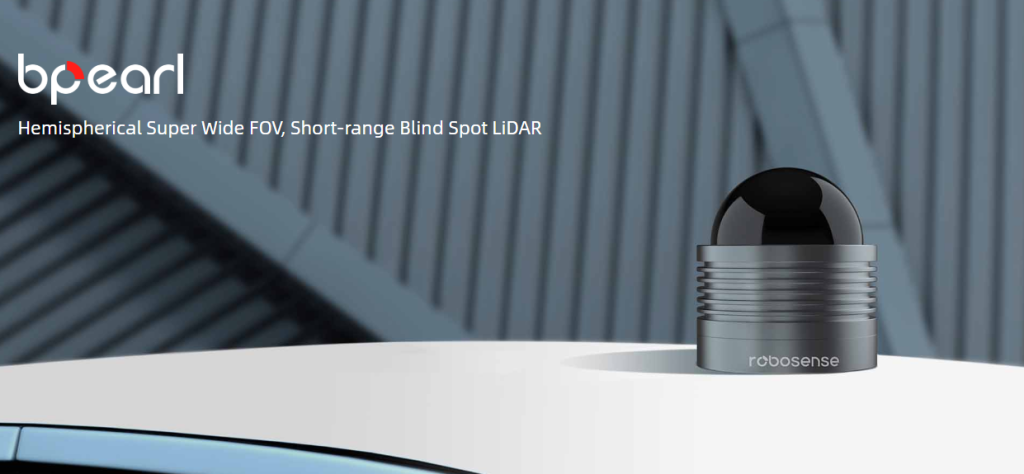
The Blind Spot Problem
Single-sensor setups often create perception gaps:
- Near-field blind zones
- Vertical coverage gaps
To compensate, companies may add multiple sensors — increasing hardware, integration, and maintenance costs.
How LidarSeek’s Products Address This
LidarSeek includes 3D blind compensation LiDAR solutions that expand vertical and near-field coverage without doubling sensor count.
From a procurement standpoint, this approach:
- Reduces sensor quantity
- Simplifies calibration
- Lowers long-term maintenance cost
ROS Compatibility: Why It Matters Commercially
Integration Cost Is a Business Metric
For robotics companies, integration time directly translates into:
- Engineering cost
- Delayed deployment
- Missed revenue windows
Many LiDAR sensors available through LidarSeek support ROS and ROS2 environments, which dramatically lowers software integration barriers.
Business Impact
ROS-compatible LiDAR sensors allow teams to:
- Shorten development cycles
- Reuse navigation stacks
- Reduce dependency on vendor-specific SDKs
This flexibility becomes critical when scaling across multiple robot models.
Power Consumption and Battery Life
Why Power Matters More Than Range
In robotics, excessive power draw:
- Reduces operating time
- Requires larger batteries
- Increases robot weight and cost
LidarSeek’s robotics-oriented LiDAR offerings prioritize power efficiency, which aligns better with mobile robot economics.
Cost Breakdown: What Buyers Should Actually Compare
Many buyers focus on unit price alone, but experienced procurement teams evaluate LiDAR cost across multiple dimensions:
| Cost Component | Impact on Robotics Projects |
|---|---|
| Sensor unit price | Direct BOM impact |
| Power consumption | Battery size & uptime |
| Integration effort | Engineering cost |
| Calibration complexity | Maintenance labor |
| Replacement cycle | Long-term OPEX |
LidarSeek’s multi-category product selection enables teams to compare sensors across total cost of ownership, not just upfront price.
Scaling Robotics Fleets Without Redesign
The Scaling Problem
A common robotics failure pattern:
- Prototype uses premium LiDAR
- Fleet deployment exceeds budget
- Redesign delays commercialization
LidarSeek’s Scaling Advantage
By offering multiple performance tiers, LidarSeek allows robotics companies to:
- Develop on higher-spec sensors
- Transition to cost-optimized models
- Maintain consistent perception logic
This phased approach reduces financial and technical risk.
Supplier Flexibility and Long-Term Availability
Why Single-Supplier Dependency Is Risky
Robotics projects often span years. Supplier changes can cause:
- Firmware incompatibilities
- Mechanical redesign
- Certification delays
LidarSeek mitigates this by providing alternative LiDAR options within the same application category, improving supply chain resilience.
Frequently Asked Questions (FAQ)
Q1: Is 3D LiDAR always necessary for warehouse robots?
No. Many robots operate efficiently with 2D LiDAR, depending on environment complexity.
Q2: How many LiDAR sensors does a robot typically need?
It depends on coverage requirements. Blind compensation LiDAR can reduce sensor count.
Q3: Does LiDAR choice affect battery life?
Yes. Power-efficient LiDAR significantly improves operational uptime.
Q4: How important is ROS compatibility?
Extremely important for reducing integration and long-term software cost.
Q5: Can robotics LiDAR be upgraded later?
Yes, but early planning reduces redesign risk.









