
The Engineering Architecture of LS128S2: Redefining 1550nm Precision for Autonomous Mobility
Introduction In the rapidly evolving landscape of autonomous driving, the demand for high-performance perception sensors has never been more critical. The LSLIDAR LS128S2 stands at the pinnacle of this technological surge, representing a significant leap from traditional 905nm LiDAR systems to the more sophisticated 1550nm fiber laser architecture. This article provides an exhaustive technical analysis of the LS128S2, exploring its optical design, point cloud processing capabilities, and its role as a foundational component for Level 3 and Level 4 autonomous systems.
The Shift to 1550nm: Physics and Advantages Most entry-to-mid-level LiDARs utilize the 905nm wavelength. While cost-effective, 905nm systems are limited by human eye safety regulations, which restrict laser power. The LS128S2 utilizes a proprietary 1550nm fiber laser. At this wavelength, the laser is absorbed by the ocular fluid before reaching the retina, allowing the LS128S2 to operate at much higher power levels while remaining Class 1 Eye-Safe. This power advantage translates directly into range. The LS128S2 achieves a detection range of 250 meters at 10% reflectivity, with a maximum range reaching up to 500 meters. This extended “look-ahead” distance provides autonomous vehicles with an additional 2-3 seconds of reaction time at highway speeds—a margin that differentiates a safe stop from a catastrophic collision.
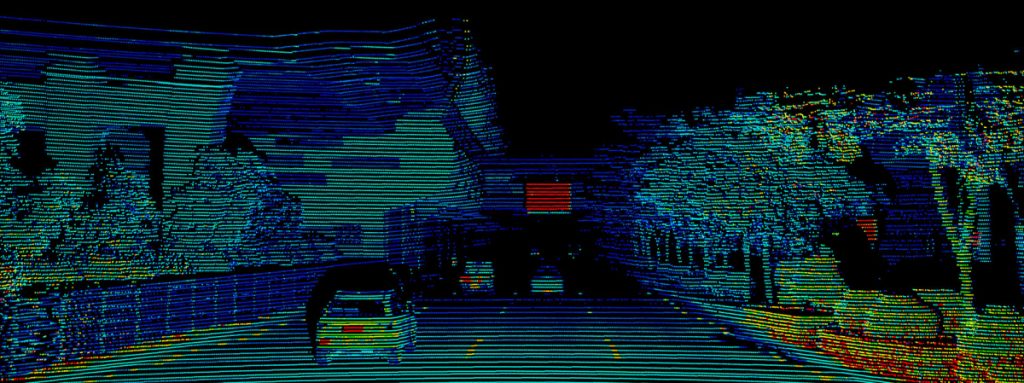
128-Channel Resolution: From Detection to Recognition With 128 channels, the LS128S2 moves beyond simple obstacle detection into the realm of high-fidelity environmental reconstruction. It generates a massive data stream of 1,600,000 points per second.
- Vertical Field of View (FOV): 25°, spanning from -12.5° to +12.5°.
- Angular Resolution: The system offers a horizontal resolution of 0.09°, allowing it to resolve small objects like traffic cones or children at significant distances.
- Imaging-Grade Point Clouds: The density of the data allows perception algorithms to perform object classification (distinguishing between a pedestrian and a cyclist) with near-camera-level detail, but with the added benefit of precise spatial depth.
Hybrid Solid-State and Automotive Reliability The LS128S2 is engineered for the rigors of the road. Unlike early mechanical spinning LiDARs that were prone to wear and tear, the LS128S2 employs a hybrid solid-state design. This minimizes moving parts, significantly enhancing the Mean Time Between Failures (MTBF). The device is rated IP6K9K, meaning it is protected against high-pressure steam cleaning and dust ingress. Its operating temperature range of -45°C to 85°C ensures performance in both arctic environments and desert heat. Furthermore, it supports Automotive Ethernet and gPTP (Generalized Precision Time Protocol) for seamless integration into a vehicle’s high-speed data backbone.
Strategic Integration of the LS128S2: Optimizing Sensor Fusion and Perception Stacks
Data Throughput and Processing Requirements The 1.6 million points per second output of the LS128S2 is a double-edged sword. While it provides unparalleled detail, it demands significant compute resources. Consulting with LSLIDAR’s integration teams reveals that an optimized FPGA or GPU-based pre-processing stage is essential.
- Point Cloud Downsampling: For long-range highway scenarios, the focus should be on the Region of Interest (ROI). The LS128S2 supports ROI customization, allowing developers to concentrate resolution on the horizon where high-speed obstacles appear.
- Noise Filtering: 1550nm systems are inherently more resistant to solar interference. However, advanced algorithms for rain and fog filtering (available in the LSLIDAR SDK) must be implemented to maintain centimeter-level accuracy (±3cm) in adverse weather.
Sensor Fusion: The LiDAR-Camera Synergy The LS128S2’s “imaging-grade” output makes it an ideal candidate for deep sensor fusion. By projecting the 128-line point cloud onto a high-definition camera frame, developers can achieve:
- 3D Semantic Segmentation: Combining the color/texture data of the camera with the precise depth of the LS128S2.
- Redundancy in Low Light: While cameras fail in darkness or glare, the LS128S2 remains unaffected, providing a consistent “ground truth” for the vehicle’s position.
Hardware Interfacing and Synchronization The shift to Automotive Ethernet (1000Base-T1) is a critical feature of the LS2 series. This allows for low-latency communication and simplifies the wiring harness. During the hardware integration phase, consultants recommend:
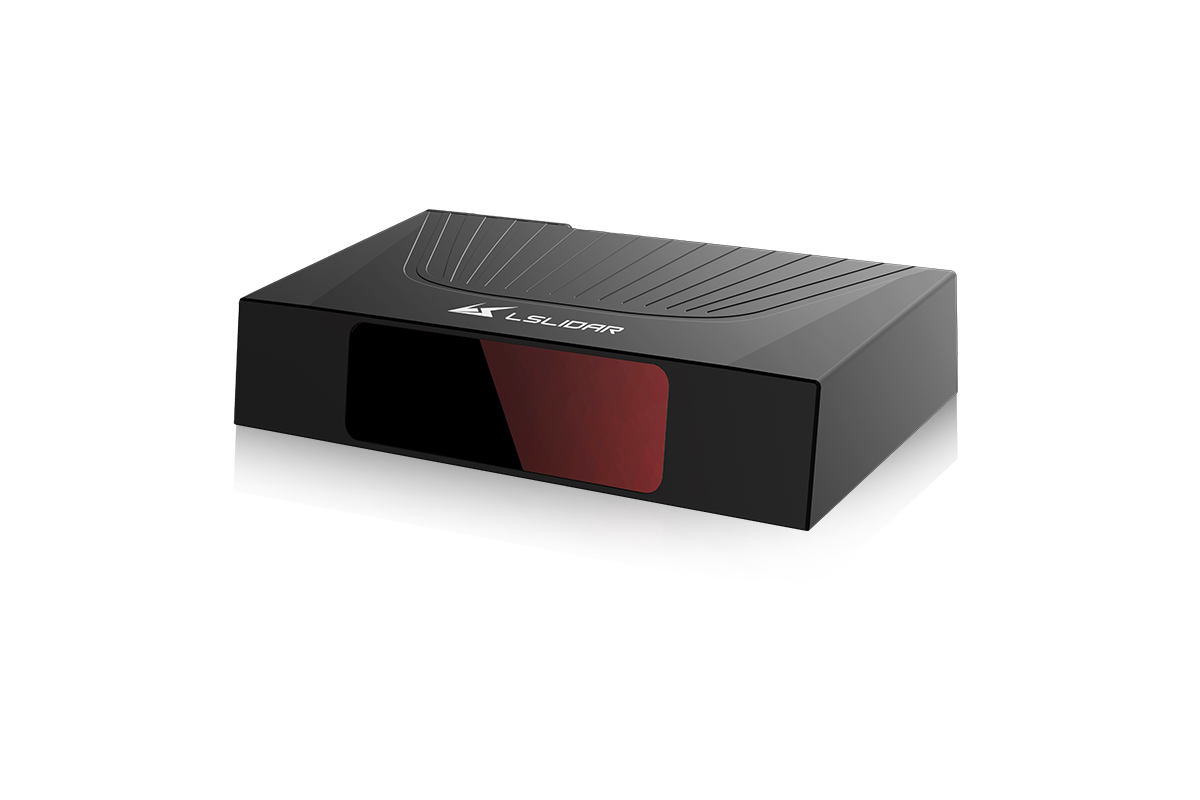
- Power Management: With a power consumption of ~40W, thermal management is vital. The thin design (45mm height) allows for integration into the vehicle’s roofline or behind the windshield, but adequate airflow or heat-sinking must be considered in the mechanical housing.
- Precision Timing: Utilizing the gPTP synchronization ensures that the LiDAR data is perfectly timestamped with other sensors, preventing “ghosting” effects during high-speed maneuvers.









