

Introduction: A LiDAR Purchase Requires More Than a Competitive Quotation
For automotive manufacturers, robotics OEMs, industrial automation companies, and autonomous system developers, purchasing LiDAR sensors involves more than comparing product specifications and unit prices.
A successful procurement process requires accurate technical documentation, clear commercial terms, product traceability, delivery commitments, and reliable communication between the supplier and purchasing team.
Missing or incomplete documentation can create unnecessary delays during supplier evaluation, engineering validation, purchase order approval, customs clearance, and final product acceptance.
This is particularly important when sourcing LiDAR sensors from international suppliers or purchasing multiple models for an engineering project.
Before placing a purchase order, professional procurement teams should verify that their suppliers can provide the appropriate technical, commercial, quality, and shipping documentation.
This guide explains the essential documents to request when sourcing LiDAR sensors for enterprise projects.
1. Technical Documentation: Confirm That the Product Meets Your Requirements

Technical documentation should be the first priority when evaluating a LiDAR supplier.
A product name or basic specification table is not sufficient for engineering approval. The procurement team should obtain documentation that allows its engineering department to evaluate the actual product configuration.
Essential Technical Documents
1. Product Datasheet
A complete datasheet should identify:
- Exact product model and version
- Measurement range and specified target reflectivity
- Horizontal and vertical field of view
- Angular resolution
- Point cloud output rate
- Measurement accuracy
- Operating temperature
- Power consumption and input voltage
- Physical dimensions and weight
- Protection rating, where applicable
Procurement teams should pay particular attention to measurement conditions. For example, a LiDAR’s maximum detection range may depend on target reflectivity, ambient illumination, and environmental conditions.
Comparing specifications without checking these conditions can lead to incorrect purchasing decisions.
2. Interface and Communication Documentation
LiDAR integration depends heavily on the communication interface and system architecture.
Buyers should request relevant information covering:
- Ethernet, UART, CAN, or other supported interfaces
- Data output protocols
- Connector and pin definitions
- Synchronization capabilities
- Configuration software
- Communication requirements
This information helps engineering teams determine whether the sensor can be integrated into the existing hardware platform.
3. SDK, ROS and Integration Resources
For robotics and autonomous system projects, software compatibility is just as important as hardware specifications.
Depending on the product, buyers may need:
- SDK documentation
- ROS or ROS 2 driver information
- Sample code
- Point cloud data examples
- Configuration tools
- Integration instructions
- Firmware update procedures
These resources can reduce integration uncertainty and help engineering teams evaluate the sensor before committing to larger orders.
2. Quality and Compliance Documentation: Verify Product Suitability
Enterprise procurement departments often have internal quality procedures and product compliance requirements.
The exact documents required depend on the application, destination market, product model, and customer approval process.
A professional supplier should be able to clarify which documents are available and which requirements need additional verification.
Documents Worth Requesting
| Document | Procurement Purpose |
|---|---|
| Certificate of Conformity (CoC), where available | Supports product conformity verification |
| Applicable CE documentation | Helps assess relevant European market requirements |
| RoHS documentation, where applicable | Supports restricted-substance compliance checks |
| Product inspection report | Provides evidence of specified inspection results |
| Quality inspection records | Supports incoming quality assessment |
| Product identification information | Helps establish model and version traceability |
One important consideration: certifications are not interchangeable between different models.
Buyers should verify that the document applies to the exact product being purchased, rather than assuming that a manufacturer’s general certificate covers every product in its portfolio.
For automotive projects, additional requirements may apply, including customer-specific qualification procedures, environmental validation, and supplier quality assessments.
A supplier should clearly distinguish between documents it can provide directly and documents that must be obtained from the manufacturer.
3. Commercial Documentation: Make Every Quotation Clear
An incomplete quotation can create problems after the purchase order has already been approved.
Professional procurement teams should request a formal quotation containing all essential commercial details.
What Should a LiDAR Quotation Include?
Product Information
- Manufacturer and brand
- Exact model number
- Product description
- Hardware version, if applicable
- Accessories and included components
Pricing Information
- Unit price
- Currency
- Total quantity
- Extended order value
- Volume pricing, where available
- Quotation validity
Delivery Information
- Confirmed stock status
- Estimated lead time
- Estimated dispatch date
- Shipping method
- Delivery destination
- Incoterms and named destination
Payment Terms
- Payment method
- Payment schedule
- Deposit requirements, if applicable
- Remaining balance arrangements
For international orders, buyers should pay particular attention to Incoterms.
For example, under DAP (Delivered at Place), the seller arranges transportation to the named destination, while the buyer is generally responsible for import clearance and applicable import duties and taxes.
The quotation should clearly state which costs are included and which remain the buyer’s responsibility.
This prevents unexpected costs during international delivery.
4. Product Traceability and Supply Verification

Product traceability is an important consideration for companies purchasing electronic components for engineering validation or commercial deployment.
Before placing an order, buyers should understand how the supplier identifies and verifies the products being supplied.
Depending on the manufacturer and product, useful information may include:
- Manufacturer product identification
- Serial number or batch identification
- Model and hardware revision
- Manufacturing or inspection records, where available
- Packaging and labeling information
- Product origin documentation, where applicable
Buyers should also clarify whether the products are new, unused, and supplied in their original manufacturer packaging.
For projects involving multiple purchase orders, maintaining consistent product identification and documentation helps simplify incoming inspection and internal inventory management.
When sourcing through a distributor or independent supplier, buyers can also request clarification of the supply channel and the available manufacturer-related documentation.
Transparency is more valuable than unsupported claims about authorization or manufacturing status.
5. Shipping and Export Documentation: Avoid Delivery Delays
International LiDAR procurement involves more than arranging transportation.
Incorrect product descriptions, incomplete shipping information, or missing customs documentation can delay delivery.
Before shipment, buyers should confirm which documents will be provided.
Common International Shipping Documents
| Document | Purpose |
|---|---|
| Commercial Invoice | Declares transaction and commercial value |
| Packing List | Identifies package contents and quantities |
| Air Waybill / Bill of Lading | Provides transportation documentation |
| Certificate of Origin, where applicable | Supports origin verification |
| Export declaration, where applicable | Supports export customs procedures |
| Product technical information | Helps clarify product classification when required |
The exact documents depend on the shipment method, destination, product classification, and applicable customs regulations.
For LiDAR products, buyers should also clarify whether any export-control or import restrictions apply to the specific model and destination.
Providing the complete delivery address, company details, and relevant tax identification information early in the procurement process can help the supplier assess shipping options more accurately.
6. Warranty and After-Sales Support: Understand What Happens After Delivery
For enterprise projects, the supplier relationship should not end when the shipment arrives.
LiDAR sensors are integrated into larger systems, and unexpected technical issues can affect development schedules or deployment activities.
Before purchasing, buyers should clarify:
Warranty
- Warranty period
- Warranty start date
- Coverage conditions
- Exclusions
- RMA procedures
Technical Support
- Technical documentation availability
- Troubleshooting assistance
- Software and configuration guidance
- Communication channels
- Expected response arrangements
Replacement and Maintenance
- Product replacement procedures
- Repair arrangements
- Spare unit availability
- Manufacturer escalation procedures, where applicable
For OEM projects and industrial deployments, these details should be discussed before the first purchase order.
Clear expectations help both parties manage potential issues more efficiently.
7. Additional Requirements for OEM and Large-Volume Procurement
For larger projects, a standard product quotation may not cover every procurement requirement.
OEMs, Tier 1 suppliers, and industrial equipment manufacturers may need additional information before approving a supplier.
Depending on the project, consider requesting:
- Supplier company profile
- Legal entity and invoicing information
- Supplier registration documentation
- Banking information and payment verification
- Quality management information
- Product lifecycle and discontinuation information
- Supply continuity arrangements
- Volume pricing structure
- Forecast-based purchasing arrangements
- Customer-specific compliance documentation
For projects involving several LiDAR models or multiple delivery batches, it is useful to establish a clear purchasing schedule.
For example, an engineering team may first require a small number of samples for integration testing, followed by a pilot order and then larger production quantities.
The supplier should clarify availability and lead time separately for each purchasing stage.
Importantly, estimated delivery times should not be treated as confirmed commitments until product availability and the relevant supply arrangements have been verified.
8. A Practical LiDAR Procurement Document Checklist
The following checklist can help purchasing teams organize their supplier evaluation before issuing a purchase order.
| Procurement Stage | Documents / Information |
|---|---|
| Technical Evaluation | Datasheet, interface specifications, SDK information |
| Engineering Validation | Integration resources, sample configuration |
| Quality Review | Applicable certificates, inspection records |
| Commercial Approval | Formal quotation, payment terms, Incoterms |
| Supplier Evaluation | Company profile, supplier information |
| Order Confirmation | Purchase order acknowledgment, delivery schedule |
| Shipping Preparation | Commercial invoice, packing list, transport details |
| After-Sales Planning | Warranty terms, RMA and technical support procedures |
Not every project requires every document. The checklist should be adjusted according to the company’s internal purchasing procedures and the technical requirements of the application.
The objective is to identify missing information before it becomes a problem during order approval or delivery.
9. How LIDARSEEK Supports International LiDAR Procurement
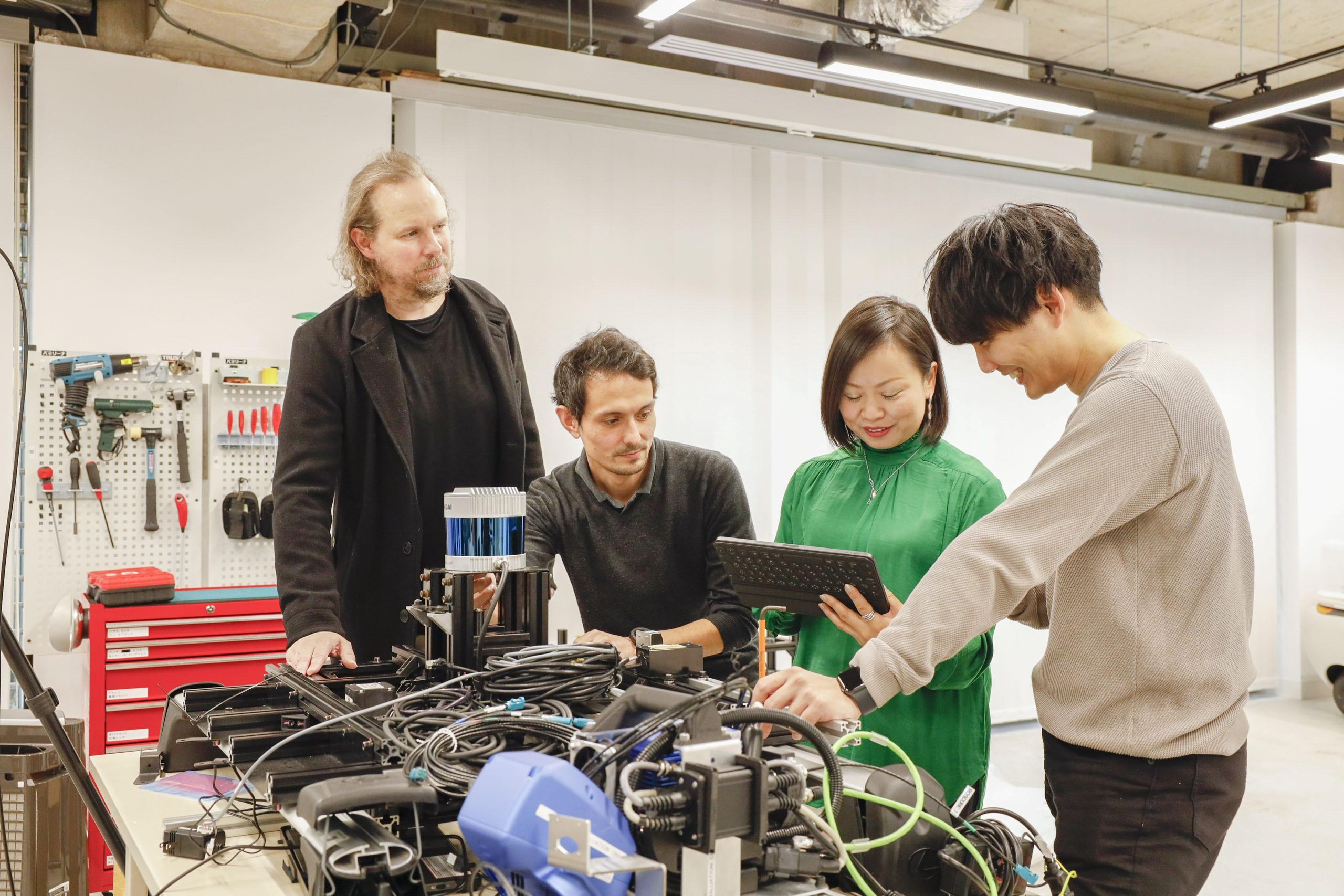
Sourcing LiDAR products from multiple manufacturers can involve different product specifications, commercial terms, availability conditions, and documentation requirements.
LIDARSEEK supports international customers looking for LiDAR sensors and intelligent perception products for automotive, robotics, industrial automation, and autonomous system applications.
Our product portfolio covers multiple categories, including:
- 2D LiDAR sensors
- 3D mechanical LiDAR
- Automotive LiDAR
- Solid-state LiDAR
- Industrial perception sensors
- AI vision cameras
- NVIDIA Jetson development platforms
We work with multiple product brands and supply channels to help customers identify suitable products for their applications.
Our procurement support can include:
Product Sourcing and Quotation
We help customers identify suitable models, confirm available supply options, and prepare quotations based on the requested quantities and delivery destinations.
Technical Information
We assist customers in obtaining relevant product specifications, datasheets, interface information, and available integration resources.
Availability and Delivery Coordination
We verify product availability and estimated lead times before order confirmation, and coordinate international shipping arrangements.
Engineering Communication
For product selection and integration questions, we help connect customers with relevant technical information and support resources.
Whether you are purchasing a single LiDAR sensor for engineering evaluation or sourcing multiple units for an industrial project, providing your requirements early helps us prepare a more accurate quotation.
Conclusion: Prepare the Documentation Before You Purchase
A successful LiDAR procurement project depends on more than obtaining a competitive price.
Technical compatibility, product traceability, commercial transparency, delivery planning, and after-sales arrangements all contribute to a reliable purchasing decision.
For procurement managers and engineering teams, requesting the right documents before issuing a purchase order can reduce uncertainty, improve internal approval efficiency, and help prevent avoidable delays.
If your company is currently evaluating LiDAR suppliers or preparing a new procurement project, make sure your technical and commercial requirements are clearly defined before placing an order.
Request a LiDAR Quotation from LIDARSEEK
Looking for Hesai, RoboSense, Seyond, Livox, or other LiDAR products?
Send us your required model, quantity, application, and delivery destination.
Our team can help check product availability, provide a competitive quotation, and assist with relevant technical and shipping information.
Contact LIDARSEEK
Email: lidarseektech@gmail.com
WhatsApp: +86 159 5882 2714
Website: https://lidarseek.com/
Request a Quote | Discuss Your Project | Get Technical Support









