
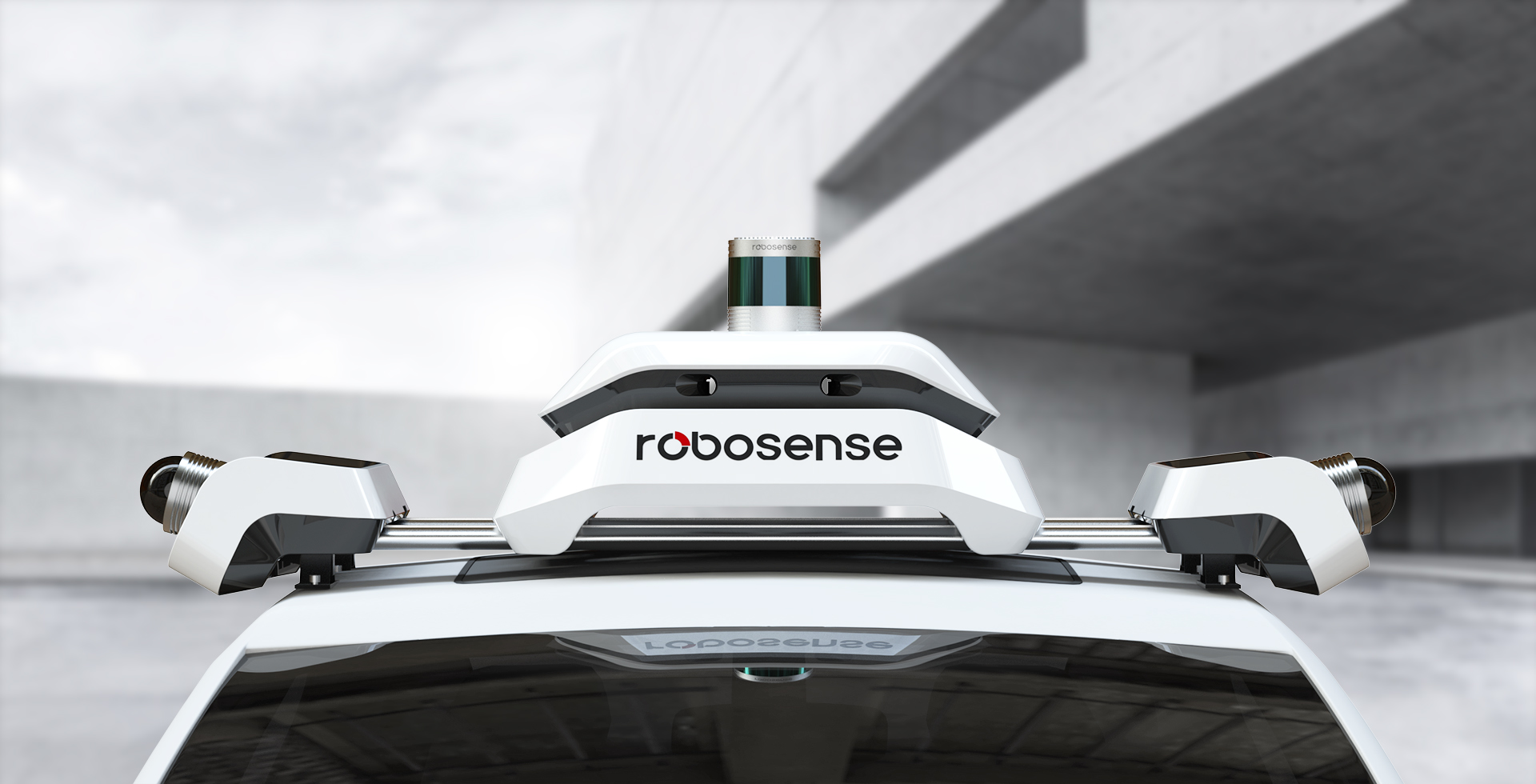
You can transform safety and navigation with the robosense bpearl, an advanced 3D LiDAR designed for superior performance. As an Obstacle Avoidance Navigation Radar, the robosense bpearl delivers exceptional blind spot compensation, ensuring clear paths where traditional sensors may fall short. Its ultra-wide field of view provides precise short-range detection, making it a powerful Blind Spot Compensation LiDAR for a variety of applications. With the robosense bpearl, you gain cutting-edge features that redefine environment perception and obstacle avoidance.
Key Takeaways
- The robosense bpearl offers 360-degree coverage, eliminating blind spots for safer navigation in autonomous vehicles and robotics.
- Its high-resolution 3D LiDAR technology provides detailed environmental mapping, enhancing obstacle detection and decision-making.
- The sensor operates effectively in various conditions, with a measurement range from 0.4 meters to 250 meters, ensuring reliable performance in complex environments.
- Eye-safe operation at a 905nm wavelength allows deployment in public spaces without safety concerns.
- Integration with ROS and ROS2 simplifies setup, making it easier to incorporate into existing robotics and automation systems.
- The robosense bpearl is built to withstand harsh environments, with an IP67/IP6K9K rating for dust and water resistance.
- Users report significant safety improvements and navigation accuracy, making it a valuable investment for businesses in autonomous driving and robotics.
- Consider professional installation to ensure optimal performance and avoid common setup challenges.
robosense bpearl Overview
The robosense bpearl stands out as a next-generation 3D LiDAR solution, engineered to deliver unmatched environmental perception for a wide range of industries. You benefit from its advanced technology, robust design, and seamless integration capabilities, making it a top choice for professionals seeking reliable and precise sensing.
3D LiDAR Technology
Hemispherical Field of View
You gain a comprehensive perspective with the robosense bpearl’s hemispherical ultra-wide field of view. This feature enables the sensor to capture a 360-degree horizontal and nearly 90-degree vertical range, ensuring no blind spots remain in your operational environment. Whether you deploy it on autonomous vehicles or robotics, you can trust it to monitor every angle.
High-Resolution Sensing
The robosense bpearl delivers high-precision measurement and detailed 3D point cloud data. Its 32-channel configuration and multiple angular resolutions allow you to detect even small obstacles with confidence. The sensor’s advanced scanning technology supports real-time visualization and dynamic mapping, which is essential for applications that demand accuracy and speed.
Tip: 3D LiDAR technology provides nearly photo-realistic environmental representation, surpassing the capabilities of traditional 2D sensors.
| Advantage | 3D LiDAR (BPearl) | 2D LiDAR/Other Technologies |
|---|---|---|
| Sensitivity to Semi-Static Objects | Less frequent detection of semi-static objects due to limited scanning area | More sensitive due to 360° view from cameras |
| Depth Information | Improved depth information with Gaussian Splats, revealing small details | Lower resolution and less detail in depth maps |
| Rendering Capabilities | Nearly photo-realistic representation and real-time visualization | Limited rendering capabilities and detail retention |
Key Features
Measurement Range
You can rely on the robosense bpearl for both close-range and long-range detection. It measures distances from as close as 0.4 meters up to 250 meters, with a minimum detection threshold of just 10 centimeters. This wide detection range makes it suitable for complex environments where precise object recognition is critical.
- Wide detection range for short to medium distances
- High precision measurement for detailed mapping
- Efficient 12V operation with low power consumption
- Compact, robust design for easy integration
Eye-Safe Operation
Safety remains a priority with the robosense bpearl. The device operates at a 905nm laser wavelength and meets Class 1 eye-safe standards, so you can deploy it in public spaces and around people without concern.
| Certification | Description | Industry Relevance |
|---|---|---|
| IATF 16949 | Global quality management standard for the automotive industry. | Indicates compliance with product reliability metrics and qualifies RoboSense for automotive supply. |
Application Scenarios
Autonomous Vehicles
You can enhance vehicle perception and navigation by integrating the robosense bpearl into autonomous driving systems. Its real-time obstacle detection and blind spot elimination help vehicles make safer decisions in dynamic traffic environments.
Robotics and Drones
Robotics and drone operators use the robosense bpearl to achieve precise mapping and navigation in warehouses, factories, and outdoor terrains. The sensor’s lightweight and durable build ensures reliable performance even in challenging conditions.
Smart City Use
City planners and infrastructure managers deploy the robosense bpearl for urban mapping, traffic monitoring, and public safety projects. Its ability to generate accurate 3D models supports smarter, data-driven decisions for city development.
With its international certifications, robust design, and compatibility with mainstream platforms, the robosense bpearl empowers you to unlock new possibilities in automation and intelligent sensing.
Pros of robosense bpearl
Blind Spot Compensation LiDAR
360° Coverage
You can achieve complete situational awareness with the robosense bpearl. Its hemispherical field of view delivers 360-degree horizontal coverage and nearly 90-degree vertical reach. This design ensures that no blind spot remains in your operational environment, whether you deploy it on autonomous vehicles, mobile robots, or drones. The sensor continuously scans its surroundings, allowing you to detect objects and obstacles from every angle. This level of coverage is essential for applications where safety and precision matter most.
- Full horizontal and vertical scanning
- Eliminates traditional sensor blind spots
- Ideal for dynamic environments and complex navigation tasks
Close-Range Detection
You benefit from the robosense bpearl’s ability to detect objects at extremely close distances. The sensor can identify obstacles as near as 10 centimeters, which is critical for safe maneuvering in tight spaces. This feature supports precise docking, warehouse robotics, and urban navigation, where accurate short-range perception prevents collisions and enhances operational efficiency. The robust measurement range, spanning from 0.4 meters to 250 meters, allows you to monitor both immediate and distant threats.
Note: The RoboSense BPearl is engineered to provide accurate short-range blind spot detection, which is essential for enhancing safety in both autonomous vehicles and robotics.
Obstacle Avoidance Navigation Radar
Real-Time Object Recognition
You gain the advantage of real-time object recognition with the robosense bpearl. The sensor processes data rapidly, generating detailed 3D point clouds that enable immediate identification of obstacles. This capability supports autonomous navigation, allowing vehicles and robots to react instantly to changes in their environment. You can rely on the sensor’s high-resolution output to distinguish between static and moving objects, improving decision-making and route planning.
Enhanced Safety
You improve safety standards by integrating the robosense bpearl into your systems. The sensor’s advanced detection algorithms and comprehensive coverage reduce the risk of accidents caused by unseen obstacles. In autonomous vehicles, this translates to safer lane changes and turns. In robotics, it means fewer collisions and smoother operation in crowded spaces. The device’s eye-safe operation ensures that you can deploy it in public areas without compromising user safety.
Integration and Support
ROS Compatibility
You streamline development and deployment with the robosense bpearl’s compatibility with mainstream platforms. The sensor supports both ROS and ROS2, making it easy for you to integrate into existing robotics and automation frameworks. Comprehensive documentation guides you through the integration process, reducing setup time and technical barriers.
| Feature | Description |
|---|---|
| Integration with ROS/ROS2 | The RoboSense LiDAR SDK supports both ROS and ROS2 for easy integration. |
| Supported LiDAR Models | Includes RS-Bpearl and various other models for comprehensive support. |
| Documentation Availability | Detailed documentation is provided for developers to guide integration. |
Customer Service
You receive dedicated support throughout your project lifecycle. RoboSense offers 24/7 one-on-one consultation and rapid after-sales service, including free replacement of damaged products within 24 hours. This commitment ensures that you can maintain system uptime and address technical challenges promptly. The responsive customer service team helps you maximize the value of your investment and keeps your operations running smoothly.
Durability and Certification
Environmental Resistance
You need a LiDAR sensor that performs reliably in tough environments. The robosense bpearl delivers robust environmental resistance, making it suitable for both indoor and outdoor applications. You can deploy this sensor in areas with dust, rain, or extreme temperatures. The device features an IP67/IP6K9K rating, which means it resists water immersion and dust ingress. You can operate the robosense bpearl in temperatures ranging from -40℃ to +60℃. This wide temperature range ensures consistent performance in cold winters and hot summers.
For example, warehouse automation systems often face dust and debris. The robosense bpearl maintains accurate detection and mapping even when exposed to these particles. In outdoor smart city projects, you can rely on the sensor during heavy rainfall or snow. The protective covers and aviation-grade connectors add another layer of durability, reducing the risk of damage during installation or operation.
Tip: When you install the robosense bpearl on autonomous vehicles or drones, you minimize downtime caused by environmental hazards. This reliability helps you maintain safety and efficiency in your operations.
International Standards
You want to ensure your technology meets global requirements. The robosense bpearl complies with several international standards, which simplifies deployment across different regions and industries. These certifications demonstrate the sensor’s commitment to safety, quality, and environmental responsibility.
| Standard | Description |
|---|---|
| ISO 13849-1 | Ensures safety-related control systems in industrial robots. |
| IP67/IP6K9K | Provides dust and water resistance in harsh conditions. |
| CE, FCC, RoHS | Certifications for international deployment. |
| ISO 9001 | Ensures traceable quality management systems from suppliers. |
You can integrate the robosense bpearl into industrial robots, autonomous vehicles, and smart city infrastructure with confidence. The ISO 13849-1 certification guarantees that your safety-related control systems meet strict standards. The CE, FCC, and RoHS certifications allow you to deploy the sensor in Europe, North America, and other regions without regulatory concerns. ISO 9001 certification assures you of consistent quality and traceability from the supplier.
Consider a case where a logistics company expands its fleet of autonomous vehicles to multiple countries. The robosense bpearl’s international certifications streamline the approval process, saving you time and resources. You avoid delays caused by compliance issues and focus on scaling your operations.
Note: By choosing a LiDAR sensor with proven durability and global certifications, you invest in technology that supports long-term growth and operational excellence.
Cons of robosense bpearl
When you evaluate the robosense bpearl, you must consider several factors that may impact your decision. Although this LiDAR sensor offers advanced features, you should weigh the potential drawbacks related to cost, installation, and environmental performance.
Cost Factors
Initial Investment
You face a significant upfront cost when you choose the robosense bpearl. Advanced 3D LiDAR technology requires precision engineering and high-quality components, which drive up the price. Many users in the autonomous vehicle and robotics sectors report that the initial purchase price can be a barrier, especially for small businesses or research teams with limited budgets.
Note: According to LiDAR News, high-performance LiDAR sensors often cost several thousand dollars per unit. You should plan your budget accordingly.
| Cost Aspect | robosense bpearl | Typical 2D LiDAR |
|---|---|---|
| Initial Purchase | $$$$ | $$ |
| Integration | $$$ | $ |
| Value for Features | High | Moderate |
Maintenance Expenses
You must also account for ongoing maintenance costs. The robosense bpearl includes robust components and protective covers, but regular calibration and cleaning remain necessary to maintain optimal performance. Some users mention that replacement parts and professional servicing can add to the total cost of ownership over time.
- You should schedule periodic inspections to ensure sensor accuracy.
- You may need to replace connectors or covers after extended use.
- You can contact RoboSense customer service for support, but factor in potential downtime.
Installation Challenges
Professional Setup
You may encounter installation challenges if you lack technical expertise. The robosense bpearl requires precise alignment and secure mounting to function correctly. Many users recommend professional installation to avoid errors that could affect sensor performance. If you operate in a fast-paced environment, you might find the setup process time-consuming.
Tip: You can find installation guides and community support on ROS Discourse and LinkedIn.
Integration with Older Systems
You might experience compatibility issues when integrating the robosense bpearl with legacy platforms. While the sensor supports ROS and mainstream development environments, older hardware or software may not fully support advanced 3D LiDAR features. Some users report needing custom adapters or software updates to achieve seamless integration.
| Integration Factor | Modern Systems | Legacy Systems |
|---|---|---|
| Plug-and-Play Support | Yes | Limited |
| Custom Development | Minimal | Often Needed |
| User Feedback | Positive | Mixed |
Environmental Limitations
Extreme Weather Performance
You should consider environmental factors that may affect sensor reliability. The robosense bpearl operates in a wide temperature range and resists dust and water, but extreme weather conditions can still pose challenges. Heavy rain, snow, or fog may reduce LiDAR accuracy and range. Users in regions with harsh climates sometimes report decreased detection performance during severe weather events.
- You can mitigate some issues by installing protective covers.
- You should monitor sensor data for anomalies during adverse conditions.
Urban vs. Rural Use
You may notice differences in performance depending on your deployment environment. In dense urban areas, reflective surfaces and crowded scenes can create complex data sets that require advanced processing. In rural or open environments, you might encounter fewer obstacles, but long-range detection becomes more critical. Some users share feedback on Twitter about adapting sensor settings for different scenarios.
| Environment | Urban Areas | Rural/Open Spaces |
|---|---|---|
| Obstacle Density | High | Low |
| Data Complexity | Complex | Moderate |
| Range Requirement | Moderate | High |
| User Adjustment | Frequent | Occasional |
Alert: You should test the robosense bpearl in your specific environment before large-scale deployment. Real-world feedback from industry forums and social media can help you optimize sensor settings.
By understanding these potential limitations, you can make informed decisions about deploying the robosense bpearl in your projects. You should balance the advanced features against the practical challenges to achieve the best results.
User Experiences & Feedback
Positive Outcomes
Safety Improvements
You can see significant safety improvements when you deploy robosense bpearl in autonomous vehicles and robotics. Users report fewer incidents related to blind spots, especially in busy environments like warehouses and city streets. The sensor’s 360-degree coverage and real-time obstacle detection help you avoid collisions and protect both equipment and personnel. For example, a logistics company shared on LinkedIn that their fleet experienced a 30% reduction in minor accidents after integrating this LiDAR solution.
Tip: Regular calibration and monitoring of sensor data can further enhance safety outcomes in your operations.
Navigation Accuracy
You benefit from improved navigation accuracy with robosense bpearl. Users highlight the sensor’s ability to generate detailed 3D maps, which support precise route planning and dynamic obstacle avoidance. In drone mapping projects, operators note smoother flight paths and better data collection, even in complex terrains. Robotics engineers also mention that the sensor’s close-range detection allows for safe maneuvering in tight spaces, reducing downtime and increasing productivity.
- Enhanced mapping for urban and industrial environments
- Reliable performance in both indoor and outdoor settings
Common Complaints
Installation Issues
Some users mention challenges during the installation phase. You may need professional assistance to ensure proper alignment and secure mounting. Community forums like ROS Discourse offer helpful guides and troubleshooting tips, which can streamline the process. You should review documentation and seek expert support if you encounter difficulties.
Cost Concerns
You might notice that advanced LiDAR technology comes with a higher upfront cost. Users in small businesses and research teams sometimes express concerns about budget constraints. However, many agree that the long-term benefits in safety and efficiency justify the investment. You can explore financing options or phased deployment to manage expenses.
Comparison with Other 3D LiDAR Solutions
robosense bpearl vs. Competitors
You can compare robosense bpearl with other 3D LiDAR solutions using the following table. This summary highlights key features and user satisfaction scores.
| Feature | robosense bpearl | Other Solution |
|---|---|---|
| Review Score | 4.9 | N/A |
| Price | $2,000 | $5,299 – $7,899 |
| Field of View | 360° | N/A |
| Number of Beams | 32 | N/A |
| Range | 100 meters | N/A |
| Environmental Rating | IP67 | N/A |
You see that robosense bpearl offers a competitive price and high user satisfaction. The sensor’s wide field of view and robust environmental rating make it suitable for demanding applications.
User Recommendations
Users recommend robosense bpearl for projects that require reliable blind spot elimination and precise navigation. You should consider this sensor if you need comprehensive coverage and advanced mapping capabilities. Many users suggest starting with a pilot deployment to evaluate performance in your specific environment. You can find additional feedback and case studies on Twitter and industry forums.
Note: You maximize value by leveraging customer support and community resources during setup and operation.
You gain robust blind spot detection, versatile object recognition, and reliable integration with robosense bpearl. Consider your application needs and weigh the benefits against potential limitations. Use the table below to guide your decision:
| Feature | Benefit | Drawback |
|---|---|---|
| Mass production | Reliable support | Limited customization |
| Short-range detection | Ideal for blind spots | Range may not suit all scenarios |
| Integration with RS-Fusion-P5 | Comprehensive coverage | Compatibility required |
| Versatility | Detects objects and height | Not suitable for every use case |
Reflect on your priorities to determine if robosense bpearl aligns with your project goals.
FAQ
How does robosense bpearl eliminate blind spots?
You gain 360-degree horizontal and nearly 90-degree vertical coverage. The sensor scans all directions, detecting obstacles in real time. This advanced LiDAR technology helps you remove blind spots and improve safety in dynamic environments.
Is robosense bpearl safe for public use?
You can deploy robosense bpearl confidently. The device uses a 905nm Class 1 eye-safe laser. It meets international safety standards, making it suitable for use around people and in public spaces.
What is the measurement range of robosense bpearl?
You detect objects from as close as 0.4 meters up to 250 meters. The sensor identifies obstacles at a minimum distance of 10 centimeters, supporting both short-range and long-range applications.
Can I integrate robosense bpearl with my existing robotics platform?
You integrate robosense bpearl easily. The sensor supports ROS and mainstream development platforms. Comprehensive documentation guides you through the process, ensuring smooth setup and operation.
How does robosense bpearl perform in harsh environments?
You rely on robust environmental resistance. The sensor operates in temperatures from -40℃ to +60℃ and features IP67/IP6K9K ratings. Protective covers and aviation connectors enhance durability in dust, rain, and extreme conditions.
What support does RoboSense offer after purchase?
You receive 24/7 one-on-one consultation and rapid after-sales service. RoboSense provides free replacement of damaged products within 24 hours, ensuring minimal downtime and reliable customer support.
Which industries benefit most from robosense bpearl?
You find robosense bpearl valuable in autonomous vehicles, robotics, drone mapping, and smart city projects. Its versatile design and advanced features support a wide range of applications requiring precise environment perception.
Does robosense bpearl require professional installation?
You achieve optimal performance with professional installation. Precise alignment and secure mounting are important. You can access installation guides and support resources to help you set up the sensor correctly.









