
Choosing the right LiDAR sensor is important, but finding the right LiDAR supplier can be just as critical for a successful robotics project.
For robotics manufacturers, autonomous mobile robot (AMR) developers, AGV manufacturers, system integrators, and research institutions, purchasing LiDAR is not simply about comparing specifications or finding the lowest price.
A reliable supplier should help you identify suitable sensors, verify technical compatibility, provide accurate product information, support procurement requirements, and ensure a smooth purchasing process.
Whether you are developing a prototype, building an autonomous robot, or preparing for large-scale production, this guide explains what to look for when choosing a LiDAR supplier.
1. Understand Your Project Requirements Before Choosing a LiDAR Supplier
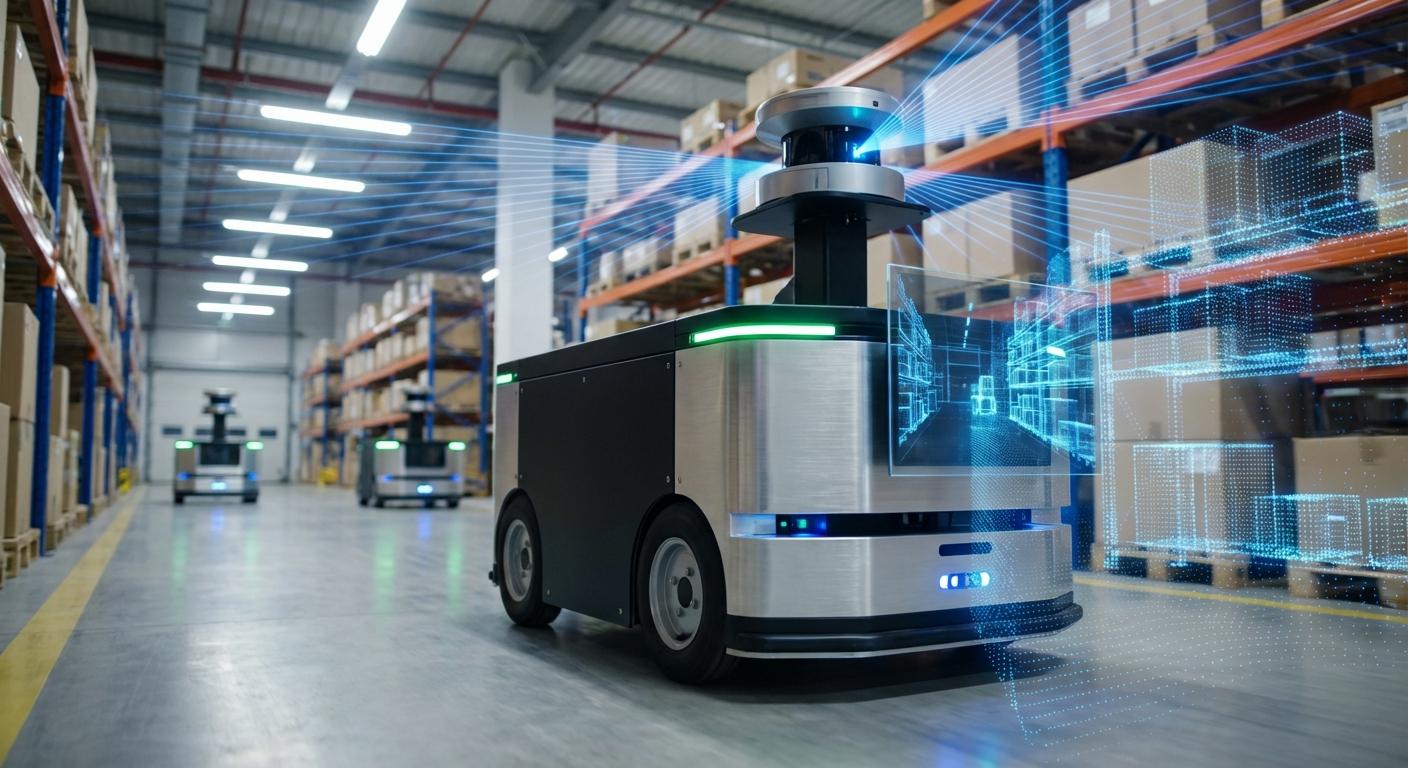
Before contacting suppliers, define the technical requirements of your project.
Different robotic applications require different sensing capabilities. A LiDAR sensor suitable for an indoor warehouse robot may not be the best option for an outdoor autonomous vehicle.
Start by identifying the following requirements.
Application Environment
Consider where your robot or autonomous system will operate.
Common applications include:
- Warehouse automation
- Autonomous Mobile Robots (AMRs)
- Automated Guided Vehicles (AGVs)
- Industrial inspection robots
- Humanoid robots and quadruped robots
- Autonomous driving systems
- Drone mapping and surveying
- Outdoor delivery robots
Indoor and outdoor environments may require different detection ranges, protection ratings, temperature tolerances, and sensor configurations.
Detection Range and Field of View
Detection range and field of view (FOV) are two important specifications when selecting LiDAR sensors.
Consider:
- Required detection distance
- Horizontal field of view
- Vertical field of view
- Angular resolution
- Minimum detection distance
- Required point cloud density
For example, an AMR operating in a warehouse may prioritize surrounding obstacle detection and navigation, while an autonomous vehicle may require longer detection distances and higher-resolution environmental perception.
2D or 3D LiDAR?
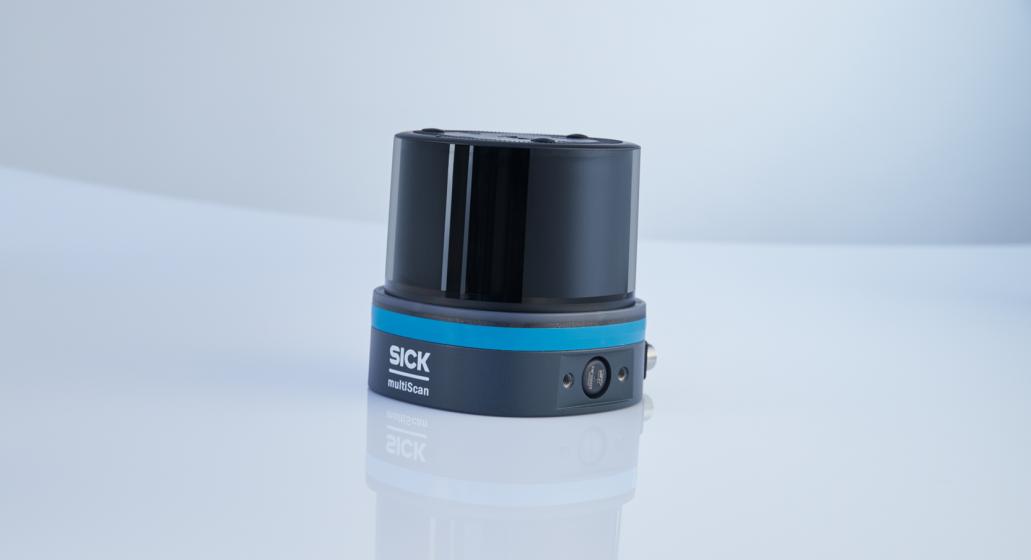
Another important decision is whether your application requires 2D or 3D LiDAR.
2D LiDAR is commonly used for horizontal scanning, obstacle detection, localization, and navigation.
Typical applications include:
- Indoor AMRs
- Warehouse robots
- AGV navigation
- Industrial automation
- Service robots
3D LiDAR provides spatial information across multiple vertical scanning layers, allowing robotic systems to understand more complex environments.
Typical applications include:
- Autonomous vehicles
- Outdoor mobile robots
- Robot dogs
- 3D mapping
- Advanced obstacle detection
- Autonomous navigation
The right choice depends on the perception requirements, platform design, and overall project budget.
2. Check the Supplier’s Product Range and Brand Availability
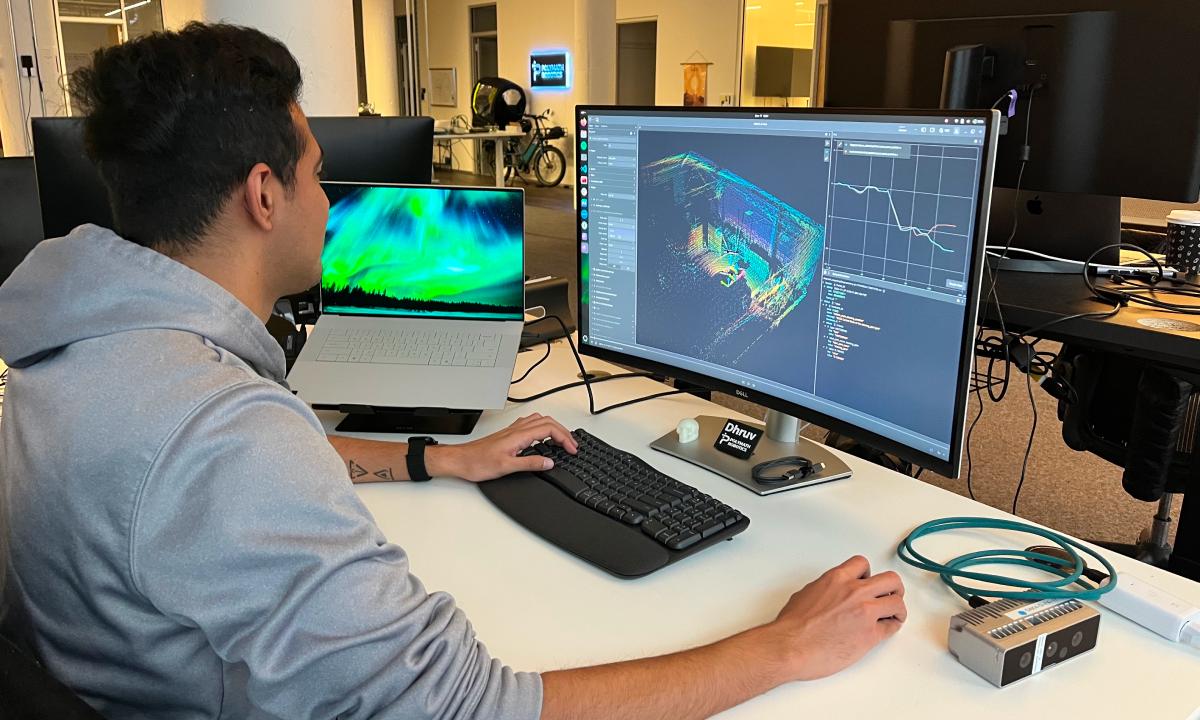
A professional LiDAR supplier should offer access to different sensor categories and product options.
This is particularly important for engineering companies that may need multiple LiDAR models during different development stages.
For example, a robotics company might initially use a compact LiDAR for prototype development and later evaluate higher-performance sensors for production deployment.
When evaluating a supplier, consider whether they can provide products from established LiDAR manufacturers.
Some widely recognized brands in the LiDAR market include:
- Hesai Technology
- RoboSense
- Seyond
- Livox
- LSLiDAR
- Other industrial and robotics LiDAR manufacturers
Each manufacturer has different product families, technical characteristics, and application priorities.
A supplier with access to multiple brands can help buyers compare different solutions instead of being limited to a single product portfolio.
This can be especially useful when your engineering team is evaluating several sensors for the same project.
3. Evaluate Technical Support and Product Compatibility
One of the most important differences between a product seller and a reliable technical supplier is the level of support available before and after purchasing.
A LiDAR sensor must work with the complete robotics system.
Before placing an order, check the following technical details.
Hardware Compatibility
Verify:
- Power supply requirements
- Communication interfaces
- Ethernet or other data connections
- Connector types
- Mechanical dimensions
- Mounting requirements
- Operating temperature
- Environmental protection rating
Software and Development Compatibility
For robotics developers, software compatibility is equally important.
Depending on the sensor and project, check:
- ROS and ROS 2 compatibility
- Available SDKs and drivers
- Point cloud output formats
- Data synchronization
- Development documentation
- Integration with NVIDIA Jetson platforms
- Compatibility with existing perception software
For example, a robotics system using LiDAR, cameras, IMUs, and an NVIDIA Jetson computing platform may require careful consideration of data interfaces, synchronization, processing capacity, and software integration.
A knowledgeable supplier should be able to help you obtain the relevant product documentation and clarify technical questions before purchasing.
4. Compare Pricing, Availability, and Bulk Order Support
Price is an important factor in B2B procurement, but the lowest unit price does not always represent the best purchasing decision.
The actual cost of a LiDAR procurement project may depend on:
- Product model and configuration
- Order quantity
- Stock availability
- Manufacturing lead time
- Shipping destination
- Shipping method
- Accessories and cables
- Import duties and taxes
Sample Orders vs. Bulk Orders
Different purchasing stages require different supply arrangements.
| Purchasing Stage | Typical Requirement |
|---|---|
| Research and Development | 1–2 units for initial testing |
| Prototype Development | Several units for system validation |
| Pilot Deployment | Multiple units for field testing |
| Production | Larger quantities for manufacturing |
A reliable supplier should be able to clarify current availability and provide a quotation based on your actual requirements.
For larger orders, ask whether the supplier can arrange batch deliveries, confirm stock allocation, and provide a realistic delivery schedule.
Request a project-based quotation rather than relying exclusively on the displayed price of a single unit.
This is particularly important for companies purchasing multiple LiDAR sensors for commercial robotics projects.
5. Check International Shipping and Procurement Experience
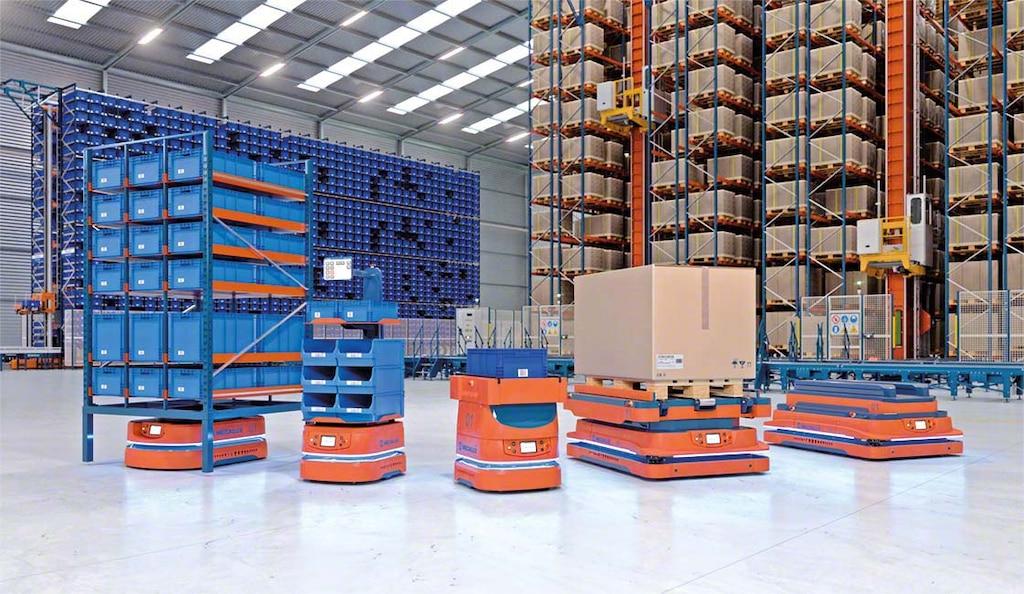
For international buyers, logistics and documentation are also important parts of the procurement process.
Before placing an order, confirm:
- Shipping destination
- Available shipping methods
- Estimated delivery time
- Export and shipping documentation
- Commercial invoice and packing list
- Applicable shipping terms
- Import clearance responsibilities
Common international shipping options include DHL, FedEx, UPS, and other freight forwarding services.
Depending on the destination and shipment requirements, buyers may choose express delivery or air freight.
It is also important to understand the difference between shipping terms.
For example, under DAP (Delivered at Place), the seller arranges delivery to the agreed destination, while the buyer is generally responsible for import clearance and applicable import duties and taxes.
Clear communication about shipping terms helps avoid unexpected costs and delays.
6. Why After-Sales Support Matters for Robotics Projects
A LiDAR purchase should not necessarily end when the sensor is delivered.
During development and deployment, engineering teams may need additional assistance with:
- Product documentation
- Interface configuration
- Sensor installation
- Driver and SDK information
- Data output verification
- Technical troubleshooting
- Product replacement and warranty procedures
For companies developing autonomous systems, access to knowledgeable technical support can help reduce integration difficulties and improve project efficiency.
Before selecting a supplier, ask about warranty coverage, after-sales procedures, and the availability of technical assistance.
A supplier that understands the engineering requirements of robotics projects can provide more value than one that only processes product orders.
7. Why Work with LIDARSEEK for Your LiDAR Sourcing Needs?
LIDARSEEK provides LiDAR sensors, AI cameras, NVIDIA Jetson development kits, robotics hardware, and intelligent perception products for international customers.
We support customers working on:
- Autonomous mobile robots (AMRs)
- Automated guided vehicles (AGVs)
- Industrial automation
- Autonomous driving
- Robot dogs and humanoid robots
- Drone mapping
- AI vision and perception systems
- Research and development projects
Multi-Brand Product Selection
We help customers explore different LiDAR options from manufacturers including Hesai, RoboSense, Seyond, Livox, and other LiDAR brands.
Instead of focusing on a single model, we can help identify suitable products based on your application and technical requirements.
Project-Based Quotation
Whether you need a single sensor for evaluation or multiple units for a production project, we can provide quotations based on your requested models, quantities, and delivery destination.
Professional Technical Support
Our professional technical team can assist with product information, documentation, compatibility questions, and technical support throughout your purchasing and development process.
International Supply and Delivery
We support international customers with product sourcing, quotation coordination, and shipping arrangements to different destinations.
Our goal is to make it easier for engineering teams, system integrators, and procurement departments to source the right hardware for their projects.
8. What Information Should You Send When Requesting a LiDAR Quote?
To receive an accurate quotation and product recommendation, it is helpful to provide the following information.
| Information | Example |
|---|---|
| Product Model | Hesai JT128, RoboSense Airy, Livox MID360 |
| Application | AMR, AGV, Robot Dog, Autonomous Vehicle |
| Quantity | 2 units, 10 units, 100 units |
| Technical Requirements | Detection range, FOV, interface |
| Development Platform | ROS 2, NVIDIA Jetson, Custom System |
| Destination | Country and city |
| Delivery Schedule | Required delivery date |
If you have not selected a specific LiDAR model yet, you can simply describe your project and technical requirements.
Our team can help you explore suitable options.
Frequently Asked Questions About Choosing a LiDAR Supplier
1. Where can I buy LiDAR sensors for robotics projects?
You can purchase LiDAR sensors directly from manufacturers or through specialized LiDAR suppliers and distributors.
A specialized supplier can help compare products from different manufacturers, obtain quotations, and coordinate technical and purchasing requirements.
2. What should I look for in a reliable LiDAR supplier?
Look for product availability, access to reputable brands, accurate technical information, competitive project pricing, international shipping experience, warranty arrangements, and professional after-sales support.
3. Can I buy LiDAR sensors in bulk?
Yes. Many LiDAR suppliers support bulk purchasing for robotics manufacturers, system integrators, industrial automation companies, and research organizations.
Contact the supplier with your required model and quantity to request project-specific pricing and delivery information.
4. Can a LiDAR supplier help with product selection?
A technically knowledgeable supplier can help you compare sensor specifications, interfaces, detection ranges, and application requirements to identify suitable options.
5. Do LiDAR suppliers provide technical support?
Support varies between suppliers. Before ordering, confirm whether technical documentation, software information, integration assistance, warranty coverage, and after-sales support are available.
6. Can I request a quotation without knowing the exact LiDAR model?
Yes. You can provide your application, detection requirements, development platform, and estimated quantity. A supplier can then help you evaluate possible options.
Conclusion: Find the Right LiDAR Supplier for Your Next Project
Selecting a LiDAR supplier is an important step in developing a reliable robotics or autonomous system.
Beyond product specifications and pricing, buyers should consider technical compatibility, product availability, delivery arrangements, and long-term support.
Whether you are sourcing one sensor for research and development or planning a larger procurement project, working with a supplier who understands your requirements can make the purchasing process more efficient.
Looking for LiDAR sensors for your robotics or industrial automation project?
Contact LIDARSEEK to discuss your requirements.
Send us your preferred model, estimated quantity, application, and delivery destination.
Our team will help you explore suitable LiDAR options and provide a project-based quotation.
LIDARSEEK – Your Trusted Partner for LiDAR, AI Perception, and Autonomous Solutions.









